What Is Bpa In Bottled Water

The other day, I was sweating through a brutal workout, desperately reaching for my trusty plastic water bottle. Chugging it down, I felt a mix of victory and, weirdly, a tiny...
The other day, I was sweating through a brutal workout, desperately reaching for my trusty plastic water bottle. Chugging it down, I felt a mix of victory and, weirdly, a tiny twinge of guilt. You know the feeling? That little voice whispering, “Yeah, but what about the BPA?”
Ah, BPA. It’s become the bogeyman of the hydration world, right up there with “microplastics” and “that weird taste from a reusable bottle you forgot to wash for a week.” But what is it actually, and should you really be terrified of your next gulp of Dasani? Let’s crack this plastic mystery wide open.
Meet BPA: The Chemical That’s Everywhere
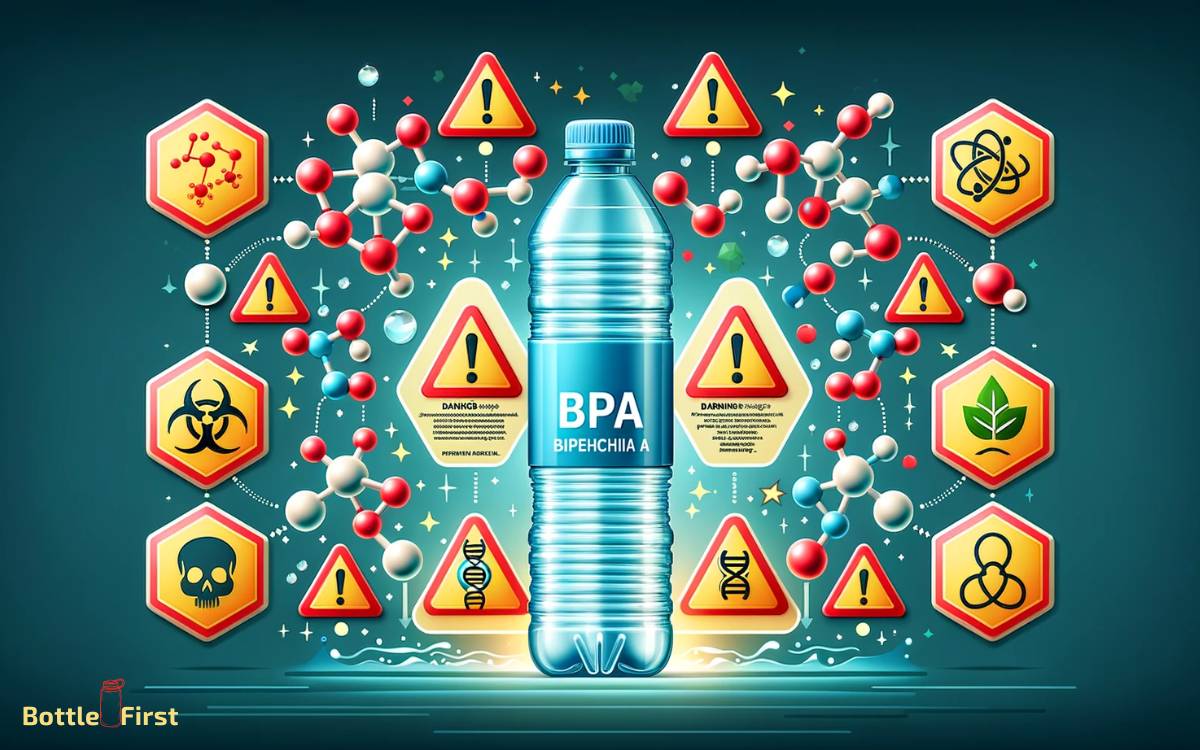
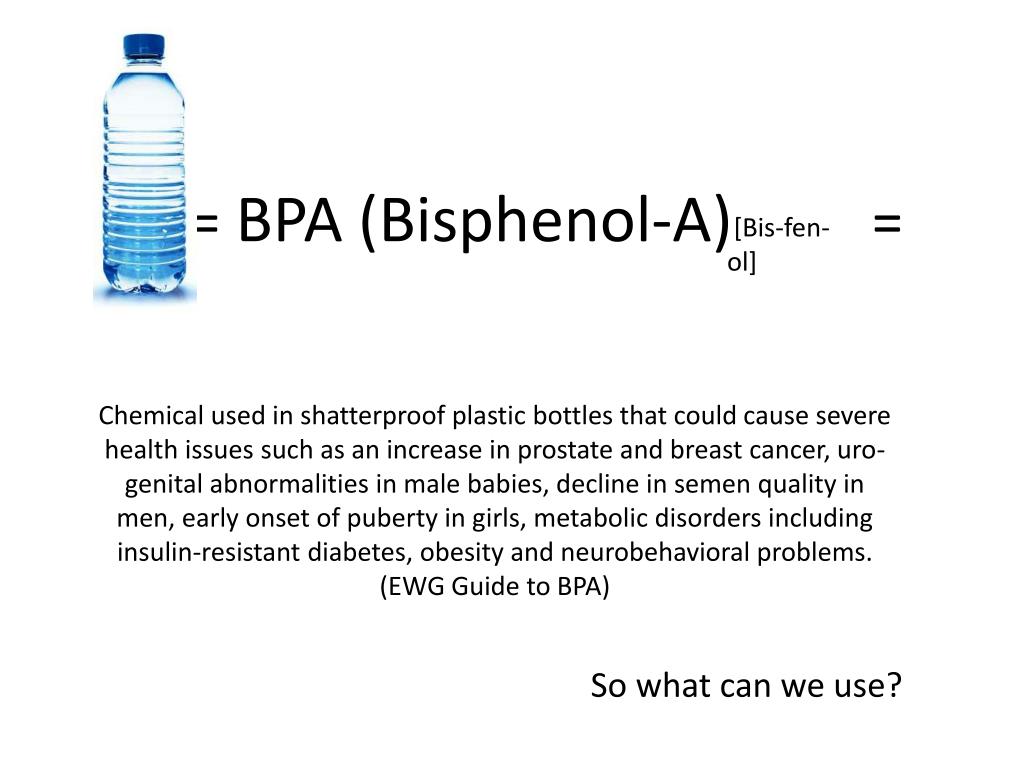
BPA stands for Bisphenol A, a chemical used to make certain types of plastic hard and shatterproof. Think of it as the super-glue that binds polycarbonate plastics together—the stuff used in some water bottles, food containers, and even the lining of your favorite canned soup. It’s been around since the 1960s, basically making modern convenience possible.
Must Read
Here’s the kicker, and the part that gets scientists all riled up: BPA can leach into your water, especially when the bottle gets hot (like sitting in a sunny car) or worn down. Yes, that crisp, clean water you’re drinking might have a tiny, invisible chemical guest along for the ride. Totally normal, right? Ugh.
Why Do We Care? The Hormone Hijacker Theory
Here’s where things get a little spicy. BPA is what researchers call an endocrine disruptor. Fancy term, right? Basically, it can mimic the hormone estrogen in your body. Picture a naughty key that fits into a lock it’s not supposed to, messing with your body’s normal signaling system. Studies have linked it to everything from reproductive issues to behavioral changes in animal studies.
Now, before you throw all your water bottles into the nearest volcano, take a breath. Most experts agree that the trace amounts found in bottled water are unlikely to cause instant harm to a healthy adult. Your liver is pretty good at processing this stuff. But the long-term, low-dose exposure? That’s the gray area where scientists love to argue and we get confused.
We’re talking about a chemical so pervasive that 93% of Americans have detectable levels in their urine. You are probably part of that statistic. It’s kind of like finding out that your house is built on an ancient Indian burial ground—alarming, but also, what are you really going to do about it right now?
 Are Bottled Water BPA Free? | Splitflask – Splitflask: 2-In-1 Stainless
Is Bottled Water the Worst Offender?
Let’s be real: bottled water can contain BPA, but the industry has gotten better. Many brands now sell “BPA-free” bottles, which sounds great, but here’s a little irony: they often replace BPA with similar compounds like BPS or BPF. And guess what? Some early research suggests these substitutes might have similar endocrine-disrupting effects. It’s like swapping a wolf for a slightly different wolf.
So, is the water itself the problem? Not necessarily. The bigger issue is heat and degradation. If you leave a plastic bottle in your car on a hot day, that’s when leaching spikes. Or if you reuse a disposable bottle (stop that, by the way—they're scratch magnets) for weeks, you’re increasing your exposure. Your water is innocent; the container is the drama queen.
Honestly, the tap water in most developed countries is often more regulated than bottled water. You might be paying a premium for something that’s not necessarily cleaner—just more portable and wrapped in a layer of questionable chemistry. Think about that next time you drop $2 on a single serve.
What Can You Actually Do? (Without Becoming a Hermit)
First, don’t panic. A sip from a plastic bottle isn’t going to give you superpowers or turn you into a frog. The risk comes from chronic, everyday exposure. Second, switch to stainless steel or glass bottles. They feel heavier in your bag, but they’re essentially inert—no chemical leaching, no weird metallic taste, and they look kind of cool. Plus, you’ll save money.
 PPT - Bottled Water: The Truth Behind the Industry PowerPoint
If you must use plastic, avoid clear, hard, number 7 plastics. Look for the #1 (PET) or #2 (HDPE) symbols—those are generally considered safer. And never, ever microwave that plastic bottle. Just don’t. Microwaving is like throwing a BPA party and inviting all your molecules.
Finally, remember your body’s built-in detox system works wonders. Eat whole foods, stay hydrated (with filtered tap water), and relax. Worrying about trace chemicals is probably worse for your health than the actual chemicals themselves. You’ve got this.
The Bottom Line (No Pun Intended)
BPA in bottled water is one of those things that matters, but not in an apocalyptic way. It’s a valid concern, but not something to lose sleep over. The science is still evolving, and the industry is slowly changing. Until then, treat plastic bottles like a convenience, not a lifestyle. Your future self—and your hormones—will thank you.
So go ahead, finish that water from your gym bag. Just maybe don’t make it a daily habit. And for the love of hydration, invest in a reusable bottle. Your wallet, the planet, and your endocrine system will all high-five you. Cheers!
