How To Decrease Tds Of Water

So, you’re staring at a glass of water, wondering why it tastes like a rock concert in your mouth. That’s the TDS talking—Total Dissolved Solids, the stuff floating invisibly...
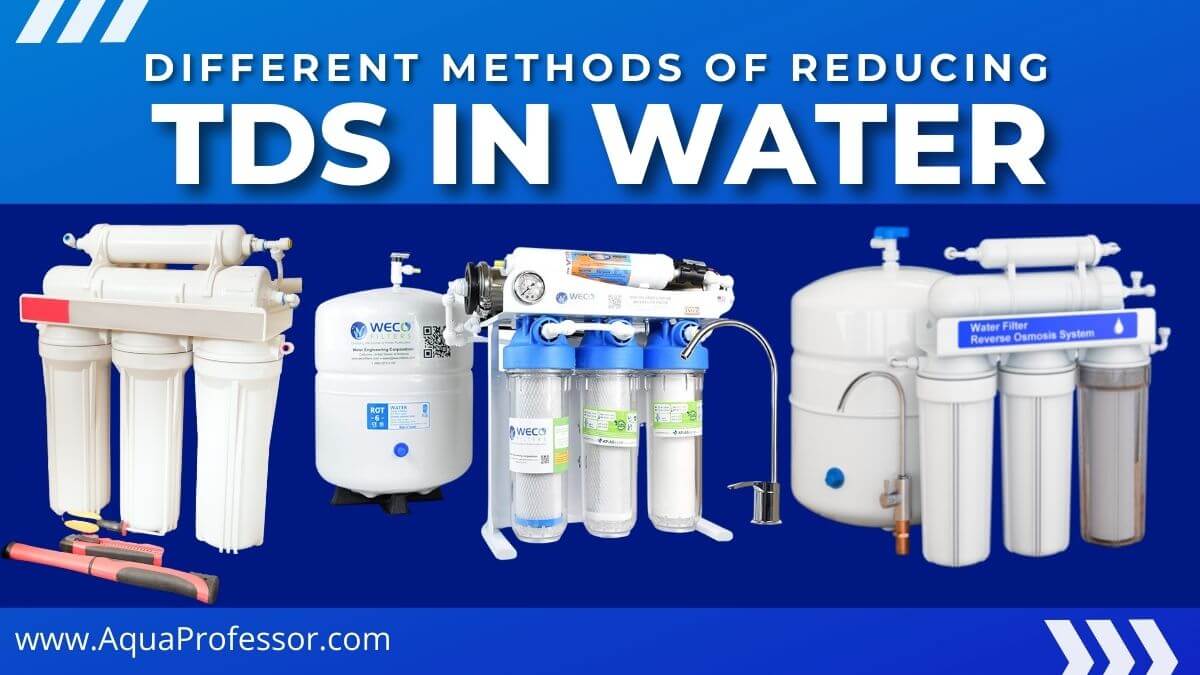
So, you’re staring at a glass of water, wondering why it tastes like a rock concert in your mouth. That’s the TDS talking—Total Dissolved Solids, the stuff floating invisibly in your H2O. Think of it as the water’s baggage: minerals, salts, and a few uninvited party crashers. Lowering it sounds like a science experiment, but I promise, it’s easier than explaining why your cat stares at the wall for hours.
First, meet the enemy: what is TDS, really?
TDS is basically the dissolved “stuff” that hitches a ride in your water. It’s not always bad—a little calcium or magnesium is actually good for you. But when it tastes like a salty slug or leaves crusty white rings on your kettle, it’s time to stage an intervention. Your taste buds will thank you, and your espresso machine might stop crying.
The goal isn’t to nuke every last mineral—that’s boring water, like drinking a blank stare. You want to reduce the excess, not create a desert in a glass. Think of it as giving your water a spa day, not a lobotomy.
Must Read
Method 1: The lazy genius approach—boiling
Boiling water works for killing germs, but for TDS? It’s a bit of a hit-or-miss magic trick. When you boil, you evaporate water, leaving the solids behind—but that actually concentrates the TDS in what’s left. So, if you boil a pot dry, congrats: you made a puck of minerals. Not drinkable.
But here’s the sneaky move: steam distillation. Capture the steam, condense it, and you get water that’s almost pure. It’s like the water’s ghost leaving its heavy baggage behind. The downside? You’ll need a special rig, and it’s slower than a sloth on a coffee break.
Method 2: Reverse osmosis—the overachiever
Roll up your sleeves, friend, because reverse osmosis is the bouncer at the club of purity. It forces water through a membrane so tight that even a whisper of salt gets turned away. This thing can knock TDS from 500 down to 20 in a blink. It’s like hitting “undo” on all the dirt.
But full disclosure: it’s a bit of a drama queen. It wastes a few gallons of water for every one it cleans, and it removes good minerals too. So you might end up with water so pure it’s socially awkward. Still, if you want that sleek, zero-taste sip, this is your golden ticket.
 How to Reduce TDS in Water at Home-Get 5 Ways!
Method 3: Distillation—the old-school alchemist
Distillers are like your grandma’s still, but for water instead of moonshine. You boil the water, capture the steam, and let it reform into liquid gold. It’s centuries old, and it works like a charm—TDS levels drop to near zero. You get water that’s cleaner than your conscience after a good confession.
The catch? It’s not exactly Netflix-and-chill fast. A countertop distiller takes a few hours to make a gallon. Also, the resulting water is so pure it can taste a little flat—like a joke without a punchline. But add a pinch of salt or a lemon slice, and you’re back in business.
Method 4: Deionization—the science nerd’s fix
Imagine you have a magnet that grabs all the charged particles in your water and yeets them into another dimension. That’s deionization in a nutshell. You run water through special resins that swap the bad ions for hydrogen and hydroxide, which then turn into harmless water. Poof, TDS gone.
This is fantastic for small batches—think aquarium water or espresso machines that demand perfection. But the resins wear out and need replacing, like a grumpy roommate you have to bribe. Still, for instant gratification, this method is the Michelin star of water purity.
Method 5: The budget hero—activated carbon and sediment filters
Not every fix needs a lab coat. A simple activated carbon filter (like in a Brita pitcher) catches some TDS, mostly the ones that cause taste and odor. It’s like giving your water a cozy sweater—it won’t strip everything, but it’ll feel nicer. Sediment filters catch larger particles, like sand or rust, which aren’t technically TDS but still make your water look like a swamp.
 Tds Quotes
The absolute budget winner? Reverse osmosis at home with a basic under-sink unit—it’s not cheap upfront, but it lasts years. You can also try adding a pinch of alum powder to your water pitcher: it makes solids clump and sink. Then sip the top. Boom, low-tech TDS reduction.
The “oops, I just want to test it” moment
Before you go full mad scientist, test your water with a tiny TDS meter (like $10 online). It’s a little pen that tells you how grimy your water is. If it’s below 300 ppm, you’re probably fine—just use a pitcher filter. Above 500? Now you have a quest. Above 1000? Your water is basically a sports drink—please intervene.
Pro tip: Don’t freak out if you see 150 ppm and think it’s terrible. It’s actually pretty good for tap water. The real enemy is that funky aftertaste—trust your tongue, not just a number.
The uplifting conclusion (with a wink)
Lowering TDS isn’t about turning your tap into a sterile lab—it’s about treating yourself to water that actually tastes like joy. You don’t need to buy a submarine or marry a chemist. Grab a filter, try a distiller, or just boil and decant carefully. Every sip becomes a small victory.
And here’s the real kicker: clean water is the ultimate self-care. It’s cheaper than therapy, kinder to your coffee, and it won’t judge you for having a third glass. So go ahead, play water wizard. Your mouth will smile, and your plants will probably start high-fiving you. Cheers to the good stuff—clear, crisp, and full of life, minus the weird luggage.
