How To Get Lead Out Of Water

So, my friend Karen called me last week, absolutely panicked. She had just gotten her water test results back, and lead was staring her in the face. “I’ve been making my kid’s...
So, my friend Karen called me last week, absolutely panicked. She had just gotten her water test results back, and lead was staring her in the face. “I’ve been making my kid’s formula with this!” she yelled. I had to talk her down from the ledge (and off the bottled water aisle at Costco). It got me thinking: we hear about lead in water all the time, but most of us have no clue what to do about it. You’re likely here for the same reason, right?
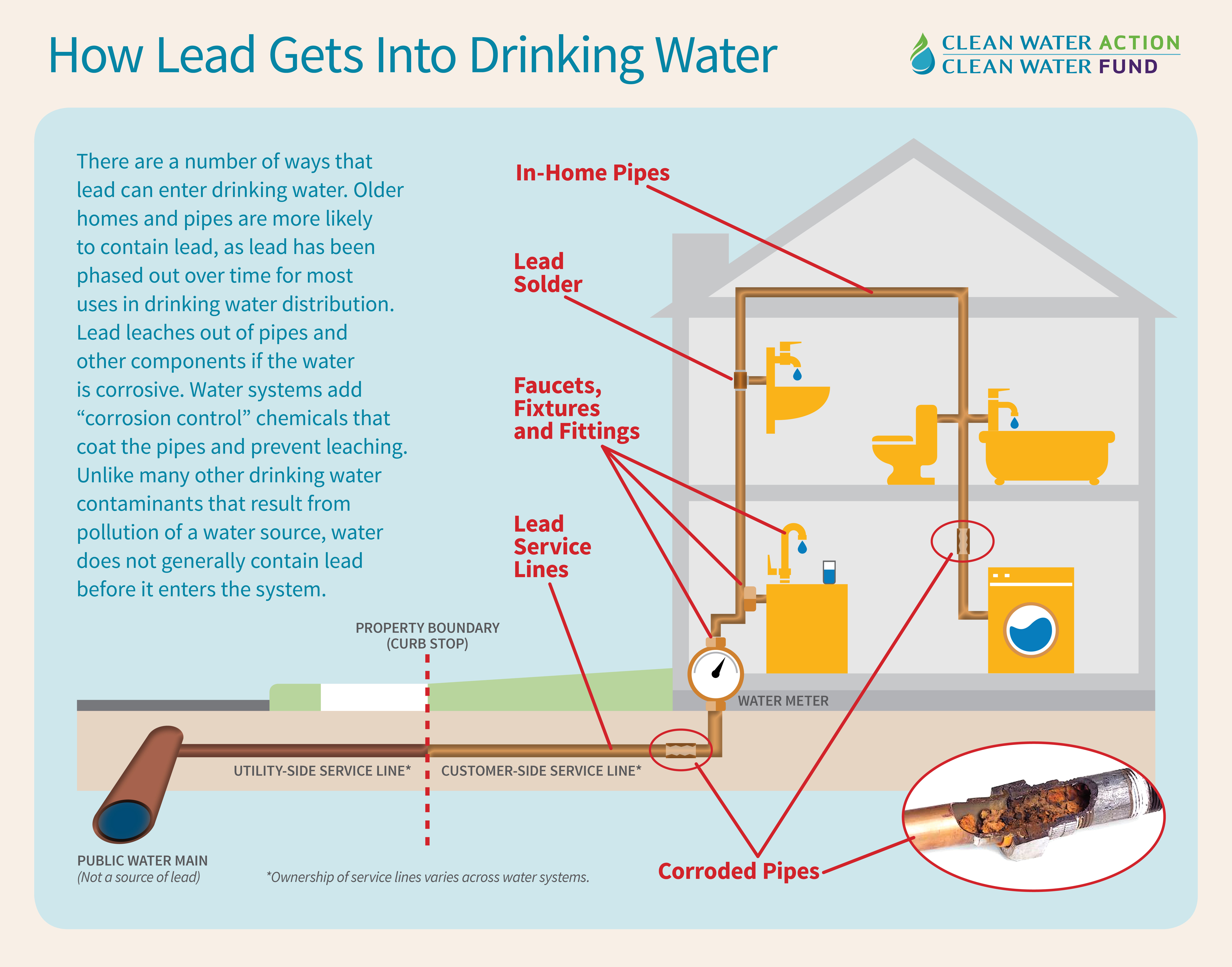
Let’s get one thing straight first: lead doesn’t come from your local reservoir. It leaches into your water from old pipes, solder joints, or brass fixtures—usually in homes built before 1986. So even if your city water is clean, your own plumbing can poison the party. The good news? Getting lead out doesn’t require a hazmat suit or a chemistry degree.
Step 1: Flush Before You Drink
The cheapest fix is also the most boring one: flush your pipes. If water has been sitting in the pipes for more than six hours (like overnight or while you’re at work), it’s got the highest lead concentration. Run your cold water for a minute or two until it feels noticeably colder—that means fresh water from the main line has arrived. Yes, it wastes water. But it’s cheaper than a medical bill.
Must Read
Pro tip: never, ever use hot tap water for drinking or cooking. Hot water dissolves lead way faster. Boiling lead water does not remove it—in fact, it concentrates the lead as steam escapes. Sorry, that’s a busted myth.
Step 2: Test Your Water (It’s Easier Than You Think)
You can’t see, taste, or smell lead. You need a test. Pick up a home test kit from a hardware store, or—even smarter—send a sample to a certified lab for about $20-$50. The EPA has a list of approved labs for your state. Trust me, that tiny fee is worth the peace of mind. Also, don’t trust the cute internet hacks like “use pH strips” – they’re for pools, not toxicity.
If your results come back above 15 parts per billion (the EPA’s “action level”), it’s time to act. Below that? You’re still better off filtering if you have kids or pregnant people in the house.
Step 3: The Filter Game – What Actually Works
Not all filters are lead-fighters. A regular Brita pitcher? It’s great for taste but won’t touch lead unless it specifically says “NSF/ANSI Standard 53 for lead reduction” on the box. Look for filters with activated carbon plus an ion-exchange resin. That’s the combo that grabs heavy metals like lead and says, “Not today, poison.”
 How To Remove Lead From Water (Step-by-Step)
Countertop or faucet-mounted filters are the MVPs here—they handle the water before it hits your glass. Whole-house filters are overkill for lead unless your pipes are made of pure old lead (which is rare). If you’re renting, get a countertop one. You don’t need to fight your landlord over a plumbing overhaul.
The Sneaky Win: Reverse Osmosis
If you want to be nuclear about it, install an under-sink reverse osmosis (RO) system. It pushes water through a membrane so tight that even lead molecules get blocked. The downside? It wastes a few gallons of water for every gallon it cleans, and it’s pricier ($150-$600). But for babies, pregnant women, or your personal anxiety—worth every penny.
Another tip: check if your filter is certified by the Water Quality Association (WQA). If it’s not, it’s just a fancy straw.
Step 4: Replace the Source – The Permanent Fix
Filters are bandaids. The real cure is swapping out lead service lines or brass fixtures. If you own your home, consider hiring a plumber to replace the main water line from the street. It costs a few thousand, yes. But it also makes your home sellable and your kidneys happy. Your municipality might even cover part of the cost if the pipe is on public land.
 Get the Lead Out Toolkit
If replacing pipes isn’t an option (landlords, stubborn budgets, or you live in a castle), at least replace your kitchen faucet with a “lead-free” certified model. Many old faucets, especially imported ones, contain lead in their brass parts. “Lead-free” often means less than a trace—good enough.
The Ironic Reality Check
Here’s the part that makes me laugh-cry: most people worry about lead in the water, but the biggest exposure is often from dust and soil if you live in a pre-1978 home. So, while you’re filtering that drinking water, maybe also wipe down your window sills—where old paint flakes land. But hey, one battle at a time.
Remember Karen? She bought a simple faucet filter and retested her water. Lead levels dropped from 23 ppb to undetectable. She called me screaming again, but this time with joy. You don’t have to become a water chemist. Just flush, test, filter—and stop using the hot tap for your coffee.
Now go pour yourself a glass of cold, filtered water. You’ve earned it.
