How To Test My Water At Home

You know that moment when you fill a glass from the tap, and it just looks a little… off? Maybe it’s cloudy, or it smells like a swimming pool, or your morning coffee suddenly...

You know that moment when you fill a glass from the tap, and it just looks a little… off? Maybe it’s cloudy, or it smells like a swimming pool, or your morning coffee suddenly tastes like a metal pipe. That’s your water waving a little white flag, saying, “Hey, check me out!” Testing your water at home isn’t for scientists in lab coats—it’s for you, your kettle, and that stubborn spot on your favorite mug.
Think of it like this: you wouldn’t wear shoes without checking if they fit, right? Your water is the same. It touches your skin in the shower, fills your pet’s bowl, and becomes the ice cubes in your lemonade. Knowing what’s in it isn’t paranoid—it’s just smart, like sniffing the milk before you pour it onto your cereal.
The “Why Bother?” Moment (With a Side of Stories)
My buddy Gary ignored his water for years. Then one day, his white laundry came out orange. Turned out, his well had high iron—harmless, but it made his socks look like pumpkins. A simple test saved his wardrobe and his sanity. You don’t need a disaster to start; just a curious feeling that something’s different.
Must Read
Another time, a neighbor’s baby got a tummy upset, and the doctor asked about their water. A quick home test revealed a bacteria scare that was easy to fix with a filter. You care about your water because it’s the one thing you drink, cook, and brush your teeth with—every single day. That’s a lot of trust to put in a pipe.
Step One: The “Look and Sniff” Test (No Lab Required)
Before you buy any fancy kit, just use your senses. Pour a glass of tap water and hold it up to the light. Is it clear as a window, or does it look like weak tea or milk? That cloudiness might be harmless air bubbles, but if it sticks around, it’s a clue. Now sniff it. Does it smell like a rainy basement (musty), a bleach bottle (chlorine), or rotten eggs (sulfur)? Your nose is a surprisingly good detective.
Don’t forget taste, either. Take a tiny sip and swirl it around. Does it taste metallic, salty, or just flat? If your coffee or tea tastes different from a friend’s house, that’s a huge hint. Your taste buds aren’t fancy—they’re just honest. This step takes two minutes and costs zero dollars.
Step Two: The DIY Test Kit (Your New Best Friend)
Head to your local hardware store or a big online shop. Grab a basic home water test kit—they’re under twenty bucks and come with little color strips that look like a science fair project. You dip a strip in a cup of water, wait a minute, and then match the colors to a chart. It’s that easy—easier than assembling IKEA furniture, I promise.
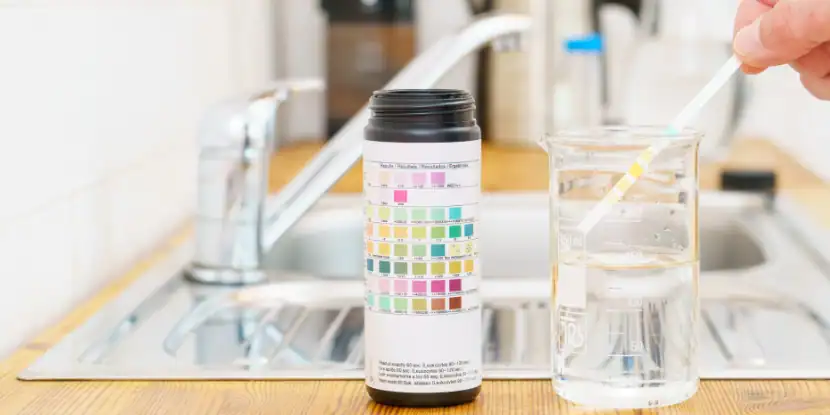 Know What's in It: How to Test Your Home's Water Quality - Anawalt
These strips test for common stuff: hardness (which leaves that white crust on your faucets), chlorine (the pool smell), pH (acidic water can corrode pipes), and nitrates (sometimes from fertilizer or runoff). If the strip turns a funky color, don’t panic. It just means you know what’s up, like seeing a pimple before a big date.
Pro tip: Test both cold and hot water, especially if you have an old water heater. Hot water can leach more metals from pipes. And test in the morning after the water has sat in the pipes all night—that’s when you’ll catch the biggest surprises.
What to Do With Your Results (No Panic, Just Action)
Let’s say your test shows hard water. That’s the stuff that makes soap scum dance on your shower glass and dries out your skin like an old sponge. The fix? A simple water softener, or even a pitcher filter you can grab at the grocery store. It’s not a crisis—it’s just a headache you can cure with a five-dollar gadget.
If you find high levels of lead, copper, or bacteria, that is worth a call to your local health department or a pro. But here’s the thing: most home tests won’t go that deep. They’ll just give you a gentle nudge, like a friendly “Hey, maybe flush your pipes for a minute before drinking.” It’s about peace of mind, not a science project.
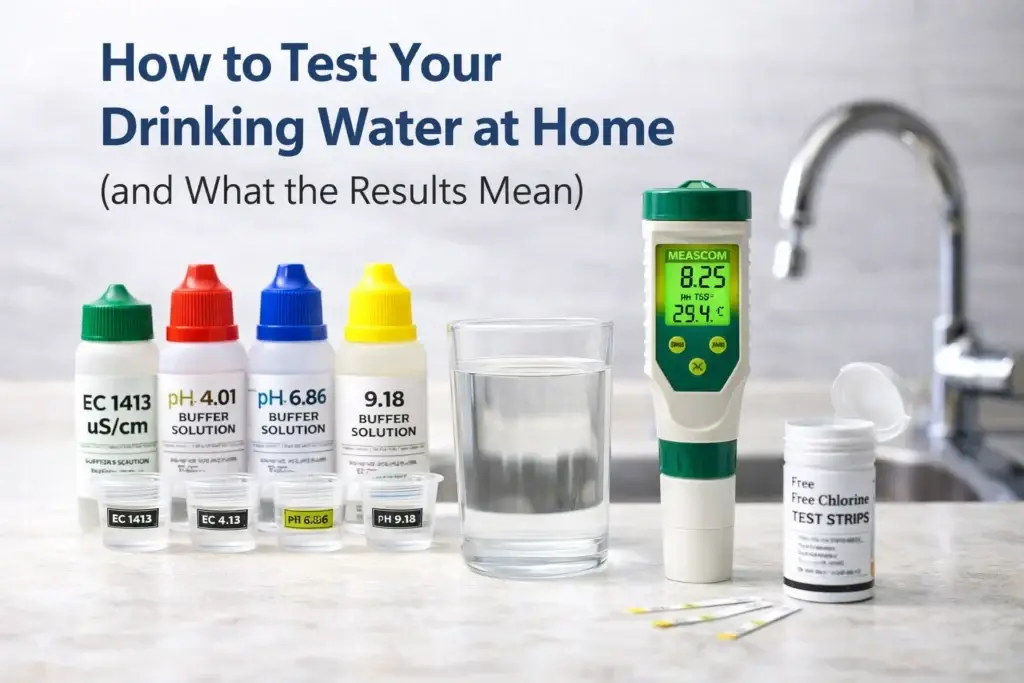 How to Test Drinking Water at Home (and What the Results Mean) - MEASCOM
One More Check: The “Long Pour” Trick
Fill a clean glass bottle with water and a loose-fitting lid. Let it sit on the counter for 24 hours. If you see a slime layer or weird floating bits, that’s a sign of organic stuff like algae or bacteria. It’s not always dangerous, but it’s a solid reason to test further. Don’t be grossed out—be informed.
I did this last summer, and my bottle turned slightly green. Turns out, my garden hose was backwashing into the house line. A simple check valve fixed it. Now my water is clear, and my basil plants aren’t drinking run-off from the birdbath. Small test, big win.
The Real Reason to Test? It’s About You
Water testing isn’t a chore; it’s a little adventure in your own kitchen. You get to be the detective of your own home. And honestly, the process is kind of satisfying. That color strip turning from yellow to blue feels like winning a gold star in adulting. Plus, you’ll never look at a water cooler the same way again.
So grab a glass, give your tap a good stare, and run those tests. Your coffee will taste better, your laundry will stay bright, and you’ll feel like a hero every time you pour a drink. Trust me—your water is talking to you. It’s time to listen.
