How To Figure Out Water Bill

So, you’ve just opened your water bill, and it looks like a secret code written by a confused accountant. Your first instinct might be to scream, throw it in the trash, or bla...

So, you’ve just opened your water bill, and it looks like a secret code written by a confused accountant. Your first instinct might be to scream, throw it in the trash, or blame your teenager for taking 45-minute showers. Relax, friend. Figuring out your water bill is way easier than folding a fitted sheet—and probably more useful.
The good news? Water bills are basically just math with a splash of mystery. Once you know the secret handshake (read: the terms), you’ll feel like a utility-bill ninja. Let’s dive in, shall we?
First Things First: Find the Numbers That Matter
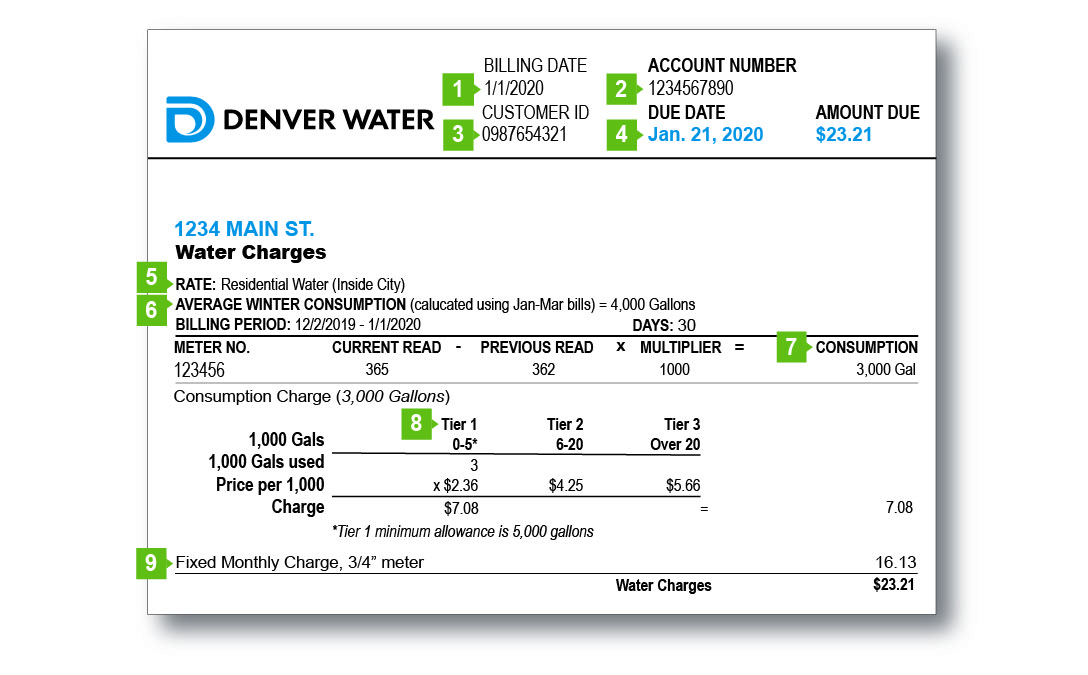
Grab your bill and look for the word “Usage.” This is the star of the show. It tells you how much water you actually used, usually measured in units like gallons, cubic feet, or CCFs (which is just a fancy way to say “100 cubic feet”). Don’t let the jargon scare you—it’s all just water.
Must Read
Most bills show your current meter reading and the previous one. The difference between them is your usage. It’s like checking your phone’s battery percentage, but boring and wet. Write that number down; it’s your new best friend.
The Two Big Parts: Supply and Wastewater
Your bill is usually split into two sections: Water Supply (the clean stuff coming in) and Wastewater (the dirty stuff going out). Think of it as a party: the water supply is the punch, and wastewater is the cleanup crew. You pay for both, even though you only see the punch.
The wastewater charge is often based on your water usage—because, logically, what goes in must go out (unless you’re a camel). Some places charge a flat fee for this, but most use a percentage. It’s a little unfair, but hey, pipes don’t clean themselves.
Beware the “Minimum Charge” Trick
Even if you use zero water (you moved out but forgot to cancel service), you’ll still owe a base fee. This covers meter maintenance, infrastructure, and the city’s coffee fund. It’s like a cover charge at a club you never entered. Annoying, but unavoidable.
Most homes also have a tiered rate. Use less water, pay a lower price per gallon. Use a ton (hello, summer sprinklers), and the price jumps. Think of it as a reverse coupon: the more you buy, the more you pay per unit. Sneaky, right?
How to Actually Calculate Your Bill
Here’s a simple formula to unlock the mystery: Total Bill = (Usage × Rate) + Base Fee + Fees + Taxes. That’s it. You don’t need to be a rocket scientist—just a patient human with a calculator app.
 3 Easy Ways to Read a Water Bill - wikiHow
Let’s do a fake example. Say you used 10 CCFs (about 7,500 gallons) of water. Your rate is $4 per CCF for supply, and $3 per CCF for wastewater. That’s (10 × $4) + (10 × $3) = $70. Then add a base fee of $15, plus $5 in taxes. Boom: your bill is $90. See? You just solved it faster than a Sudoku puzzle.
Check your bill for the exact rates—they’re usually printed in teeny-tiny font near the bottom. Grab a magnifying glass if you have to. No shame.
The Sneaky Fees: Sewer Surcharges and Stormwater
Some cities tack on a sewer surcharge for extra-heavy water users (like car washers or pool fillers). They assume all that extra water goes down the drain, so they charge you accordingly. Also, stormwater fees appear sometimes—that’s for rain runoff from your roof. Yes, you pay for the weather. Mother Nature is not a team player.
If you see a line item called “Fixed Service Charge,” just nod and pay it. It’s like that weird fee when you buy concert tickets online. Annoying, but part of the game.
Easy Ways to Lower Your Bill (Without Moving Out)
Want to see that number shrink? Start by checking for leaks. A dripping faucet can waste 3,000 gallons a year. That’s like flushing a thousand dollars down the toilet—literally. Look for silent toilet leaks by adding food coloring to the tank. If water appears in the bowl without flushing, you’ve got a leak. Fix it, and your bill will thank you.
Next, install low-flow showerheads and aerators on faucets. They mix air with water so you feel like you’re getting a strong stream, but you’re using way less. It’s spa-quality savings. Also, run your dishwasher and washing machine only when full. Half-loads are the enemy of a cheap water bill.
And please, please don’t water your lawn during a rainstorm. I know it sounds obvious, but people do it. Don’t be that person.
 Water Bill Payment
What If the Bill Looks Wrong?
Mistakes happen. Your meter might have spun wildly due to a leak, or the utility company misread the numbers. Compare your current meter reading (you can check it yourself—just look at the little dial under the lid) with what’s on the bill. If they’re way off, call them. Be polite but firm: “I think your robot made a mistake.”
Most companies are happy to adjust bills if you catch an error. They’d rather fix it than deal with an angry customer who writes angry haikus online.
When in Doubt, Go Digital
Many utilities have apps or online portals that show your usage in real time. You can watch your water spikes every time you flush. It’s like a fitness tracker, but for your plumbing. Plus, you can set alerts for high usage—so you’ll know the moment your kid starts a 20-minute shower marathon.
Technology is your friend. Let it do the annoying math for you.
The Smile-Worthy Conclusion
And there you have it: you now speak the secret language of water bills. You know the difference between a base fee and a tier rate, you can spot a leak from a mile away, and you’re ready to outsmart the sneaky stormwater charge. Go ahead, give yourself a high five (careful not to spill your water glass).
Remember, water bills are just tiny roadmaps to where your money goes. Once you understand them, you’re in control—not the other way around. So next time that bill arrives, don’t panic. Smile, grab a calculator, and whisper, “I got this.” You’re now officially a water-bill wizard. And the best part? You’ll save money and the planet, all while feeling like a budget-savvy superhero. Now go forth, conserve some H2O, and maybe take a slightly shorter shower. But, y’know, not too short. You deserve a hot, happy moment of peace.
You’ve got this. Now pay that bill, treat yourself to a fancy coffee, and know that somewhere, a water meter is smiling at you.
