How To Change Water Supplier

Let’s be honest: thinking about your water supplier ranks somewhere between “organizing the junk drawer” and “watching paint dry” on the fun-meter. But here’s the thing—switch...

Let’s be honest: thinking about your water supplier ranks somewhere between “organizing the junk drawer” and “watching paint dry” on the fun-meter. But here’s the thing—switching is surprisingly simple, and it could save you some serious cash for things you actually enjoy. Think of it like changing your streaming service, but the content is, you know, the stuff you drink and shower in.
First, Banish the Myth: Your Water Won’t Change
Here’s the biggest cultural hang-up: people worry their tap water will taste weird or get cut off. Spoiler alert: The actual water flowing to your home is still delivered by your regional utility company, no matter who bills you. You’re just switching the billing and customer service company—like swapping your cell phone plan without changing the network towers.
Fun fact: In the UK, where water deregulation is mature, over a million households have switched suppliers since 2017. Nobody’s bathtub turned into a swamp. The pipes don’t know your contract ended—they’re just busy carrying H20.
Must Read
The Secret Sauce: It’s All About the Location
Before you sign up with a company that promises unicorn-filtered spring water, pause. Water deregulation varies wildly. In the US, most residential customers can’t switch—only businesses can. But in Texas, Pennsylvania, Ohio, and a handful of other states, homeowners absolutely can. In the UK and some parts of Australia, it’s wide open.
So step one is a quick check: search “deregulated water market + your state or country.” If your palms get sweaty just thinking about research, call your current bill’s customer service line and ask, “Can I switch suppliers?” They’ll squirm—which is your first clue you can.
The Three-Step No-Sweat Switch
Step 1: Gather your last water bill. You need your account number, current rate, and a little detail called the “supply charge” (the daily fee for having water, separate from usage). This is your cheat sheet. Think of it as your passport for the journey.
Step 2: Shop around like you’re hunting vintage vinyl. Use comparison websites that specialize in utilities—Uswitch in the UK, Power to Choose in Texas if you’re water-eligible. Look for fixed rates for 12 months and no sneaky early exit fees. A 10% lower rate might sound tiny, but on a $600 yearly bill, that’s a free dinner for two.
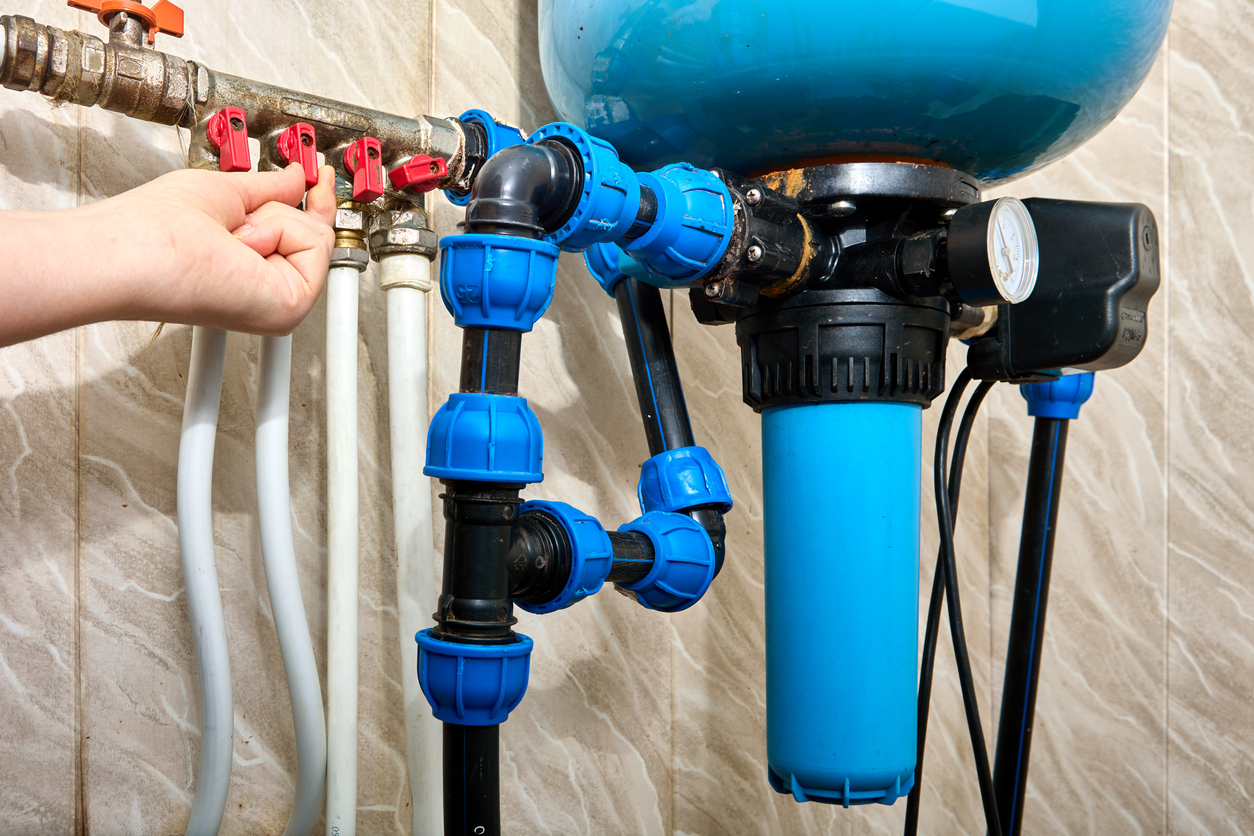 When To Change and Replace Water Filters
Step 3: Sign up online—it takes less time than ordering takeout. You don’t even have to call your old supplier. The new one handles the handoff, and by law, your water flows without interruption. You’ll get a confirmation, a 14-day cooling-off period if you change your mind, and a fresh bill next month. No tools. No plumbers. Just a few clicks.
What About “Green” Water? And Other Fun Facts
Here’s where it gets entertaining. Some suppliers now offer 100% renewable energy for water treatment or even “carbon-neutral” water. Is it a marketing gimmick? Partly—but if you’re the type who buys organic kale, this scratches the same itch. Other companies throw in free leak detectors or loyalty points you can redeem for coffee shop vouchers.
Did you know the average household uses about 300 gallons of water a day? That’s enough to fill a small swimming pool every ten days. A rate cut of just 5% on that volume adds up to serious savings for a new wardrobe or a weekend road trip. Every dollar counts, especially when “Adulthood” is the priciest subscription you never signed up for.
Practical Pro-Tips for the Skeptical
Tip one: Set a calendar reminder for 11 months after you switch. Fixed-rate deals often balloon into variable rates after a year, which is the financial equivalent of a hangover. You want to switch again before that hits.
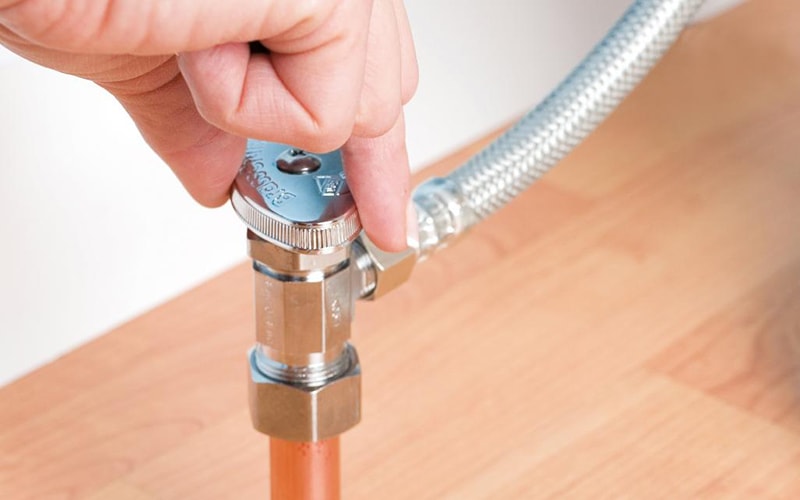 How To Replace Bathroom Faucet Supply Lines – Rispa
Tip two: Watch for “bundled” offers—some companies combine water and energy discounts. It’s like getting fries with your burger, but the burger is your monthly bill. Just read the fine print: “fixed” means fixed; “introductory” means it’s a honeymoon phase.
Tip three: If you’re in a deregulated area, you can switch as often as you charge your phone. There’s no penalty for loyalty—water companies aren’t your grandmother. They don’t need your devotion, just your business.
The Vibe Check: Why This Actually Matters
Let’s step back from the spreadsheets. Changing your water supplier is a quiet act of modern rebellion. It’s realizing that even the most basic utility can be a small, intentional choice—not just a monthly autopay you ignore. It mirrors how we curate our Spotify playlists or pick our coffee beans: you deserve options.
When you switch, you’re sending a message that convenience doesn’t have to mean complacency. It’s a five-minute task that gives you a year of slightly lower stress and slightly fatter wallet. And in a world where everything feels sticky—from subscription overload to political news—a cold, clear glass of cheaper water tastes like victory.
So go ahead. Switch. Your future self, sipping that tap water and grinning, will thank you. Just don’t forget to update your direct debit.
