How To Get Pfas Out Of Water

You’ve probably seen the headlines: PFAS, the “forever chemicals,” are lurking in your tap water. Don’t panic—this isn’t a sci-fi movie, but it is a modern-day reality we can...

You’ve probably seen the headlines: PFAS, the “forever chemicals,” are lurking in your tap water. Don’t panic—this isn’t a sci-fi movie, but it is a modern-day reality we can actually fix. Getting PFAS out of your water is simpler than you think, and it doesn’t require a chemistry degree or a trust fund.
First, a quick reality check: PFAS are used in everything from non-stick pans to rain jackets, so they’ve had decades to seep into groundwater. Think of them as the uninvited guests who refuse to leave the party. Boiling water won’t help—in fact, it can concentrate them, like accidentally making a toxic soup.
The Filter Fix: Your Water’s Best Friend
The gold standard for PFAS removal is a granular activated carbon (GAC) filter. It works like a magnet for these chemicals, trapping them as water flows through. Brands like Brita or PUR often use this tech, but check the label—some only target taste, not chemicals.
Must Read
For serious protection, consider a reverse osmosis (RO) system. It pushes water through a membrane so fine that PFAS molecules get left behind like a velvet rope at an exclusive club. RO systems are pricier (think $150–$500), but they’re the heavy lifters for clean drinking water.
Fun fact: RO systems are so effective they’re used to make seawater drinkable on naval ships. If it’s good enough for a submarine, it’s good enough for your kitchen sink. Just be ready for a slower flow—good things take time, even in hydration.
Pitchers vs. Under-Sink Systems
If you’re renting or love a low-commitment lifestyle, a filtered pitcher is your vibe. Brands like ZeroWater and Clearly Filtered have third-party certifications for reducing PFAS by up to 99%. Swap the filter every two months—think of it like refreshing your Netflix queue.
For homeowners, an under-sink system is the upgrade. It’s hidden away, doesn’t clutter your counter, and treats a whole tap. Installation is DIY-friendly, just follow the manual or watch a YouTube tutorial while sipping a latte.
Cultural reference: Remember the scene in “Erin Brockovich” where she tests water with a jar? Now we have carbon blocks and membranes—modern-day superheroes for your glass.
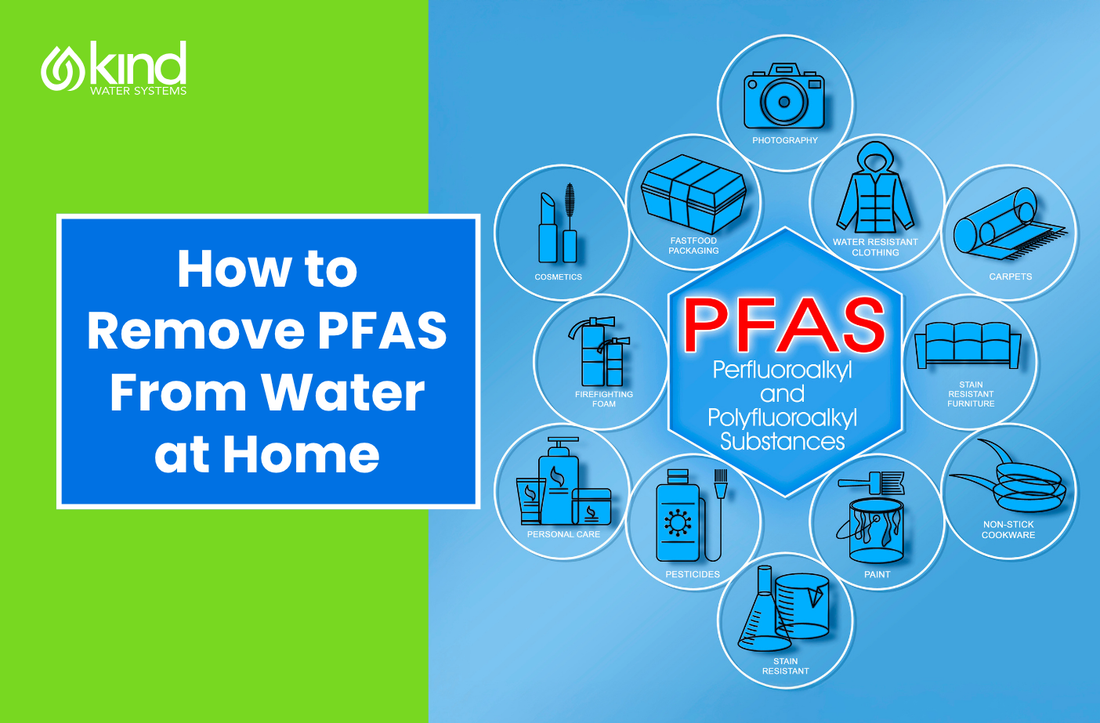 How to Remove PFAS From Water at Home | Kind Water – Kind Water Systems
Don’t Forget the Ice and the Shower
PFAS aren’t just in your drinking glass—they’re also in your ice cubes and shower mist. If your fridge’s ice maker uses unfiltered water, those cubes are tainted. Connect your fridge line to a filtered source, or use a countertop dispenser with a carbon block.
Showering isn’t a major concern—PFAS don’t easily absorb through skin—but if you’re a steam room enthusiast, consider a whole-house filter. That’s a bigger investment, but peace of mind is priceless. Your skin will thank you, though it’s mostly for your lungs.
Fun fact: PFAS are so persistent that scientists have found them in Arctic ice cores and polar bears. You can’t outrun them, but you can outfilter them.
Quick Hacks for the Non-Filter Crowd
Can’t afford a filter yet? Use a stainless steel water bottle and fill up at refill stations—many grocery stores now offer filtered water for pocket change. It’s like bringing your own cup to a coffee shop, but for the planet.
Another hack: boil your water and let it sit—then toss out the sediment. This removes some but not all PFAS; it’s a band-aid, not a cure. Pair it with a carbon filter pitcher for a solid one-two punch.
Check your local water utility’s annual report—many now list PFAS levels. If they’re high, advocate for municipal filtration. Community action is chic and way more effective than stressing alone.
 How to Remove PFAS from Water? Can RO Help?
A Little Myth-Busting
Myth: “All bottled water is safe.” Truth: Some brands source from municipal taps, and plastics can leach their own chemicals. Filter your own tap—it’s cheaper and greener.
Myth: “My Brita is fine forever.” Nope: Overused carbon filters can release captured PFAS back into your water. Replace on schedule, like you would your toothbrush.
Cultural reference: Think of PFAS like the drama in your favorite reality show—they keep coming back unless you actively cut them off. Your filter is your remote control.
The Big Picture
PFAS are a systemic problem, but individual action matters. Every filtered glass of water is a small win against corporate negligence. You don’t need to be perfect—just intentional.
Start with one filter, one pitcher, one conversation with your landlord. Then, share what you’ve learned. Clean water is a right, not a luxury, and you’re the curator of your own hydration.
In daily life, that filtered cup of tea tastes a little sweeter. You’re not just avoiding chemicals—you’re reclaiming control, one sip at a time. Cheers to that.
