Does Water Expire In Bottle

You know that plastic bottle of water sitting in your car’s cup holder? The one you bought last summer and forgot about? Let’s ask the big question: does water actually expire...

You know that plastic bottle of water sitting in your car’s cup holder? The one you bought last summer and forgot about? Let’s ask the big question: does water actually expire in that bottle?
Spoiler alert: the water itself doesn’t go bad. H2O is a stable molecule that doesn’t just turn into something nasty over time. Think of it like a rock—it’s basically just sitting there, being water.
But wait—why does that bottle have a “best by” date on it? Great question, and that’s where things get interesting.
Must Read
The real culprit isn’t the water
It’s the bottle. Over months, the plastic container can start to leach chemicals like antimony or BPA into the water. This isn’t a horror movie; it’s just slow chemistry, and it can change the taste.
Ever take a sip of old water and think, “Huh, that tastes weird”? That’s not the water going bad—it’s the plastic flavor partying in your mouth. Not dangerous in tiny amounts, but definitely unappealing.
And then there are bacteria. If you’ve already opened the bottle and shared a sip, you’ve introduced your mouth bacteria. Over days, those little guys can multiply and make the water less fresh.
Tap water vs. bottled: a fun comparison
Imagine you fill a glass from your kitchen faucet. Does that glass of water expire? Of course not. You’d drink it tomorrow, right? Same logic for bottled water—if the container is clean and sealed.
 Does Water Expire? Shelf Life, Safety, and Smart Storage Explained
But here’s the kicker: tap water has chlorine to keep it bacteria-free. Bottled water usually doesn’t. So if you leave a sealed bottle in a hot car for a year, the water might start to taste stale from plastic, but it’s still safe.
Compare it to a canned soda. That soda doesn’t expire—it just goes flat and tastes off. Water doesn’t go flat because it was never fizzy—it just gets plastic-y.
What about fancy “alkaline” or “spring” water?
Those brands sometimes add minerals for taste. Over months, those minerals can settle or react with the bottle, making the water taste slightly metallic or dusty. Still safe, but not the mountain-fresh vibe they promised.
And if you see a “best by” date on a bottle of water, that’s mostly for the bottle’s integrity. The plastic degrades, and the water can absorb odors from your garage or backpack. Yep, water is a smell sponge.
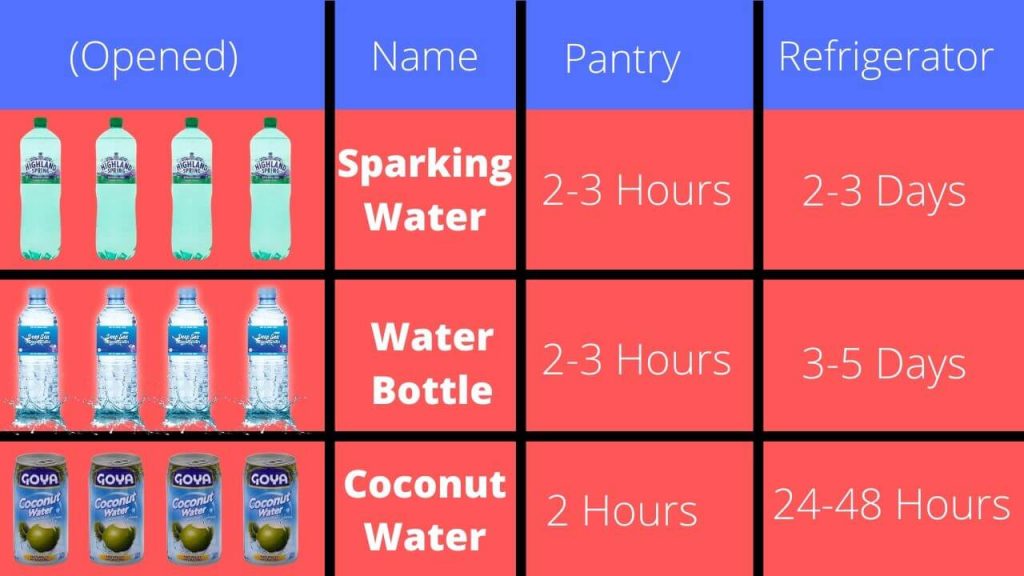 How Long Does Bottled Water Last - Decoding the Expiration Dates
Why it’s actually kind of cool
Think about this: water has no expiration date as a chemical. It’s older than us, older than dinosaurs. That sip you take is the same stuff that rained on ancient forests. Mind-blowing, right?
The only “expiration” comes from our human inventions: plastic bottles, open lids, and time. If you stored water in a glass bottle in a dark, cool cupboard, it would probably taste fine for years. Glass doesn’t leach, and it doesn’t breathe.
So the next time you find a forgotten bottle under your sofa, ask yourself: “Is it sealed?” If yes, and it’s been less than a year, go ahead and drink it. If it’s been three years and the bottle looks cloudy or smells like a chemistry lab, maybe use it to water your plants instead.
Final little thought
Remember when you were a kid and your mom said, “Don’t drink that, it’s old”? Well, she was half-right. The water is fine, but the bottle might be throwing a tiny plastic tantrum. You’re not in danger—just missing out on optimal taste.
So does water expire in a bottle? No, it doesn't. But the bottle sure does—like a plastic banana. And that’s why the date is there, not to scare you, but to remind you: freshness is temporary, water is forever.
