What Does Water Do For Skin

When’s the last time you really thought about water and your face? Not the frantic splash at 7 AM, but a proper moment of appreciation. It’s easy to overlook the simplest ingr...

When’s the last time you really thought about water and your face? Not the frantic splash at 7 AM, but a proper moment of appreciation. It’s easy to overlook the simplest ingredient in your skincare routine, yet nothing else comes close to its raw, unfiltered power.
The Deep Dive: Why H₂O is Your Skin’s Best Friend
Your skin is a living barrier, and water is its primary building block. Think of each skin cell like a plump little grape; when it’s hydrated, it’s full, firm, and bouncy. When it’s dry, it shrivels up like a raisin, making fine lines and dullness far more visible.
Water doesn’t just “moisturize” in the way a cream does. It actually plumps the skin from the inside out, improving elasticity and creating that coveted lit-from-within glow. Without adequate hydration, even the most expensive serum can’t do its job.
Must Read
The Great Translucency Trick
Here’s a cool fact: well-hydrated skin is more transparent. Yep, light passes through it more easily, reflecting a soft, healthy sheen rather than a dull, flat surface. It’s the optical illusion glowy people know by heart.
Water also acts as the skin’s conductor. It helps active ingredients—vitamin C, retinol, peptides—travel deeper into the epidermis where they can actually work. No water, no delivery. It’s the backstage crew making the stars shine.
Beyond the Glass: From Cell to Surface
Your body is about 60% water, but your skin’s outer layer (the stratum corneum) relies on a delicate balance. When that balance tips, you get the tell-tale signs: tightness, flaking, and a complexion that looks more tired than you actually are.
Interestingly, Japanese and Korean beauty rituals have revered water for centuries. Think of the onsen (hot spring) culture—soaking isn’t just relaxation; it’s a mineral-rich reset for the skin. The modern “7 Skin Method” (layering toner seven times) is basically a homage to water in its purest form.
The Dehydration Paradox
Here’s where it gets tricky: drinking water and applying water are two different things. Chugging eight glasses a day is vital for your organs, but your skin is the last organ to get that hydration priority. It’s called the “last in, first out” rule of your body’s water distribution.
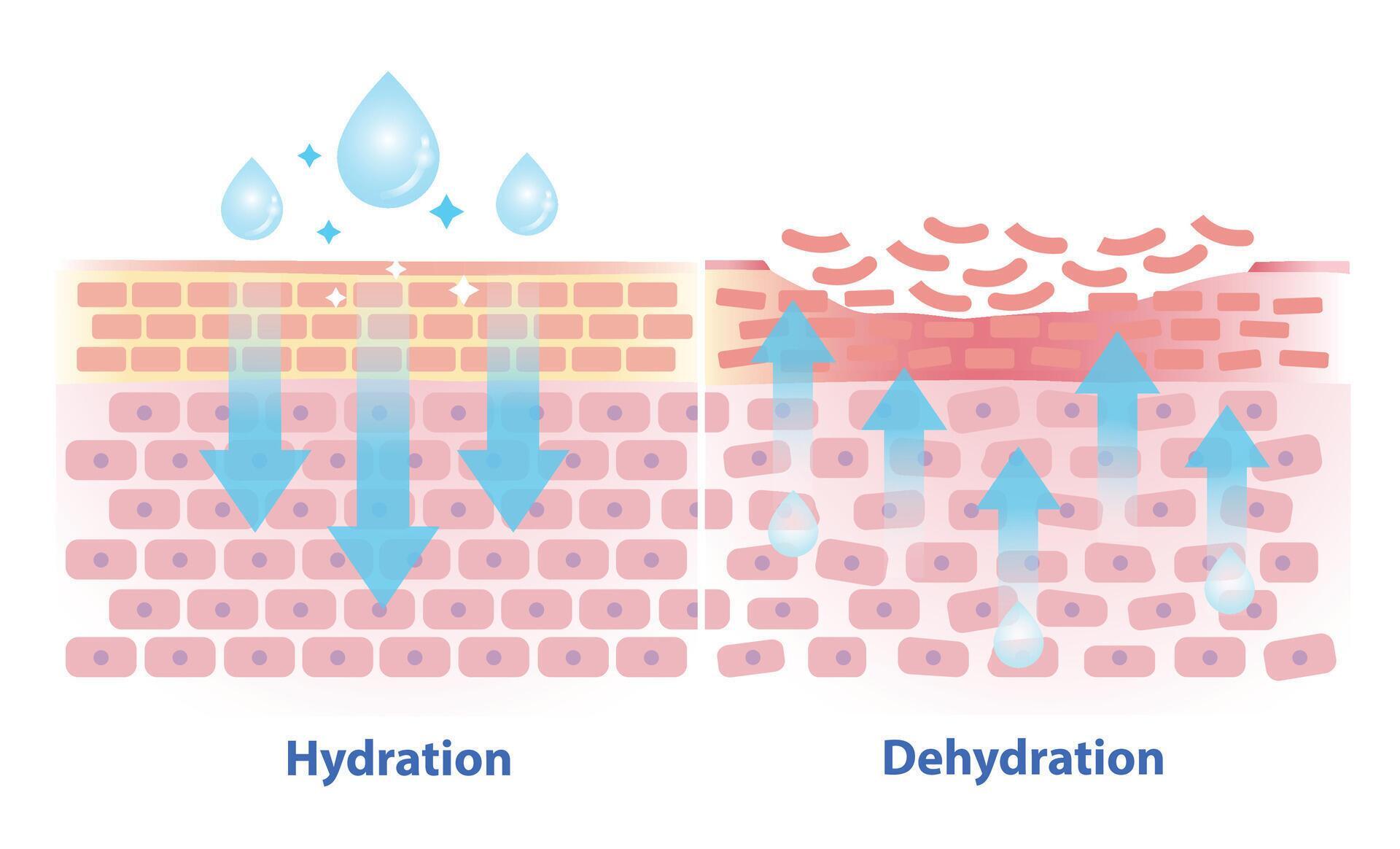 How Does The Skin Absorb Moisture at Ruby Ethel blog
That’s why topical hydration matters so much. Your skin can’t “drink” from a glass, so you have to feed it directly with mists, serums, and creams that lock moisture in. Think internal hydration as the foundation, and topical as the final coat of paint.
Practical Tips for the Daily Splash
Let’s get tactical. First, water temperature matters. Hot water strips your skin’s natural oils—think of it as a harsh detergent for your face. Lukewarm or cool water is the sweet spot, opening pores without damaging the barrier.
Second, don’t skip the post-wash moment. Within 60 seconds of cleansing, your skin is like a thirsty sponge. Apply a hydrating toner or serum while your face is still damp to trap that moisture. This is where the magic happens.
Three Fun Facts to Impress Your Friends
Fact one: your skin can actually absorb water from the air. High humidity (like in a steam room) helps plump the skin naturally—it’s why your face looks fresher after a bath. Fact two: dehydrated skin can actually produce more oil, as it overcompensates with sebum, leading to breakouts. It’s a cruel irony.
Fact three: the Egyptians used water mixed with milk for complexion baths—Cleopatra was famous for it. The lactic acid in milk gently exfoliates while water hydrates. Proof that ancient beauty was onto something very modern.
The Hard Truth About Tap Water
Not all water is created equal. Hard water (high in calcium and magnesium) can leave a mineral residue on your skin, making it feel tight and dull. It can also clash with your cleanser, leaving a film that clogs pores over time.
 The differences between hydration and moisture vector illustration
If you suspect hard water, try a shower filter or a gentle micellar water as a final rinse. It’s a small tweak with a big payoff. Your complexion will thank you with fewer breakouts and more clarity.
When Water Alone Isn’t Enough
Here’s the nuance: water evaporates. If you splash it on and let it sit, it will flee your skin like a guest leaving a party. That’s why you need occlusives (like squalane or shea butter) to seal it in. Think of water as the guest, and a moisturizer as the door that keeps them inside.
Similarly, humectants like hyaluronic acid and glycerin are water magnets. They pull moisture from the air and hold it to your skin. Using them in a damp environment (like after a shower) amplifies their effect tenfold.
A Little Reflection for Your Morning Routine
Next time you’re standing at the sink, try to slow down. Feel the cool water on your face. Notice how it wakes you up, almost like a quiet invitation to begin the day. It’s not just cleaning—it’s a small ritual of reset.
In a world obsessed with 10-step routines and exotic ingredients, water remains the unsung hero. It’s free, it’s pure, and it’s always there. Before you buy the next fancy bottle, drink a glass of water. Then, splash it on with reverence. Your skin knows exactly what to do.
Because the most beautiful glow isn’t bought—it’s hydrated.
