What Does Ppm Mean In Water

Let’s talk about water. You drink it. You swim in it. But do you know what PPM really means? It stands for parts per million. That sounds boring, right? Wrong. Think of it thi...
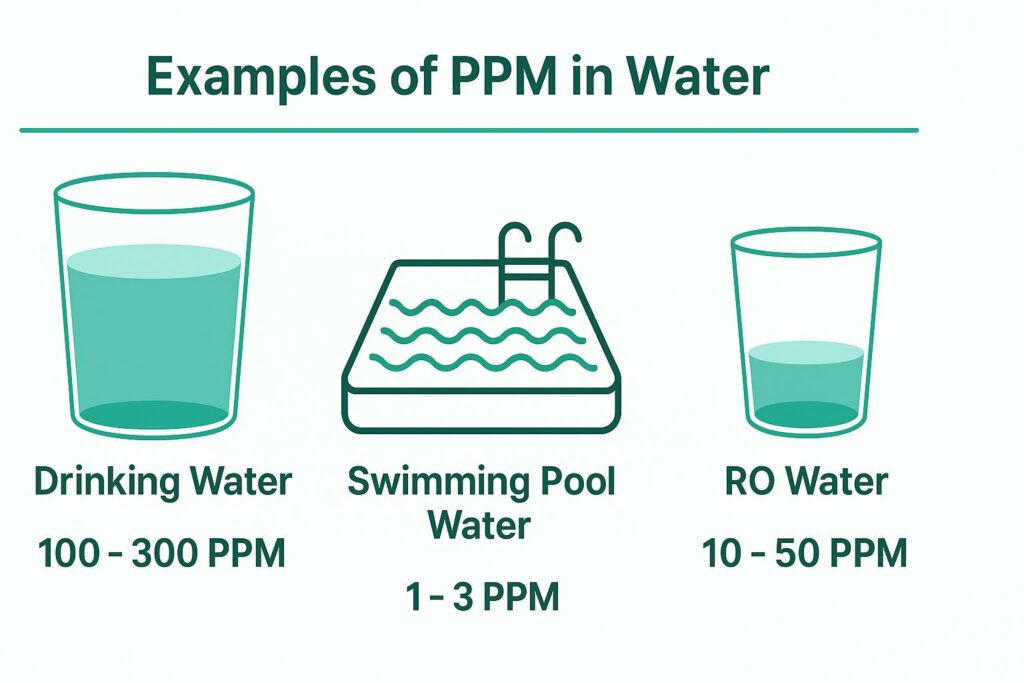
Let’s talk about water. You drink it. You swim in it. But do you know what PPM really means?
It stands for parts per million. That sounds boring, right? Wrong.
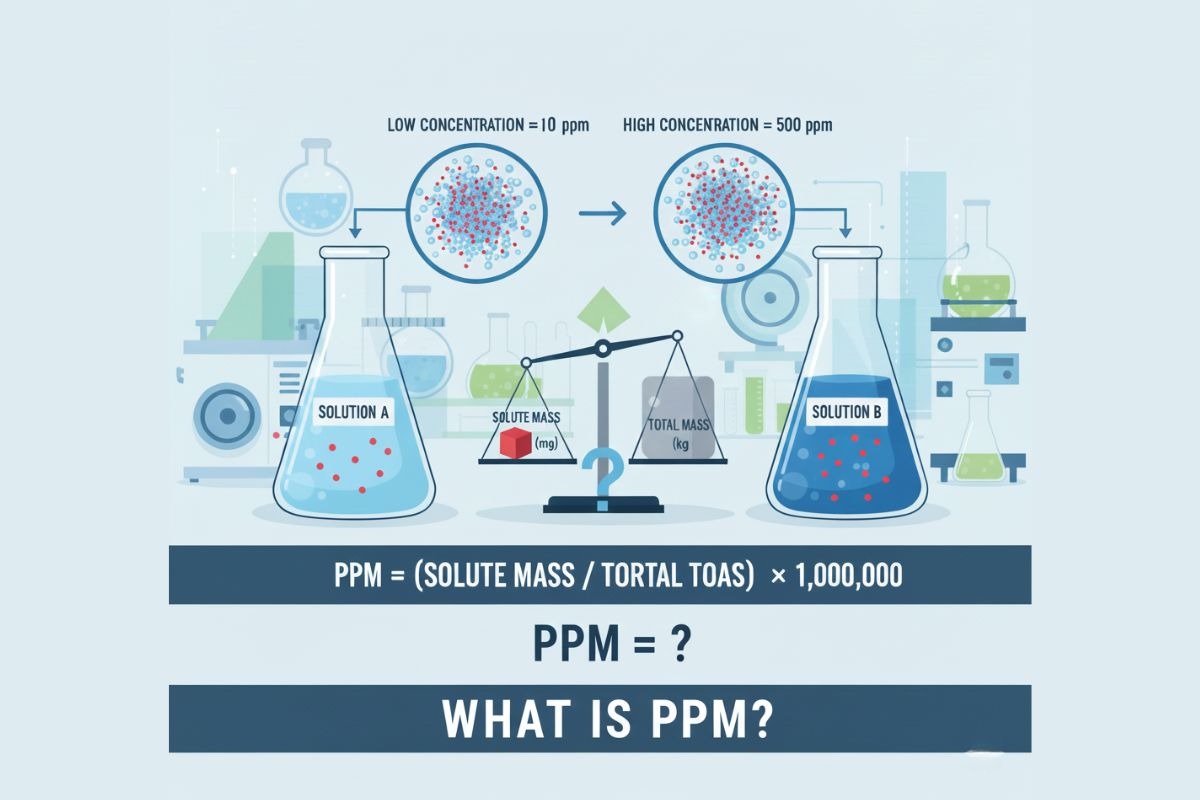
Think of it this way: one PPM is like one drop of something in a whole bathtub of water. Actually, it’s more like one drop in 13 gallons of water. That’s surprisingly tiny.
Must Read
Water is never just H2O. It’s always a soup of tiny extras. Minerals, chemicals, and even microscopic bugs hitch a ride. PPM is the way we measure that soup.
Why does this matter? Because that small number can make a big difference. Too much iron? Your water turns orange. Too much lead? That’s dangerous for your brain.
Let’s start with something funny. Your tap water might have chlorine in it. That’s the stuff in swimming pools. At 1 PPM, it kills germs but smells like a cheap hotel. At 5 PPM, you’d taste it and spit it out. Thanks, PPM, for keeping us safe.
The Magic Number: Zero?
Here’s a weird thought: pure water has a PPM of zero. Pure H2O is actually kind of boring. It tastes flat and weird.
Distilled water is the cleanest you can get. It has almost zero PPM of anything. But drink it too much? Your body misses the healthy minerals. It’s like eating plain white rice forever.
Most bottled water has a TDS (total dissolved solids) of 100 to 300 PPM. That’s the sweet spot. Not too much, not too little.
Your Fish Tank Is a Science Lab
Fish are the real PPM experts. If your aquarium hits 0.5 PPM of ammonia, your fish are in trouble. They’ll gasp at the surface like drama queens.
Aquarium nerds measure PPM obsessively. They yell things like, “My nitrate is at 20 PPM!” It’s dramatic. And it keeps the fish alive.
 What is PPM in Water Testing? Meaning, Importance & Safe Le… - Plumint
You know what else loves PPM? Your coffee maker. Hard water (high PPM of calcium) builds up white crust. That crust ruins your morning brew. PPM is why you need vinegar to clean it.
Funky Facts About PPM
Golden rice? That’s a thing. Scientists added vitamin A to rice at 0.5 PPM. It fights blindness. Tiny numbers save eyes.
Your sweat has about 3,000 PPM of salt. That’s why you taste salty after a run. Your body is basically a salty ocean in a skin suit.
Here’s a wild one: the Dead Sea has a PPM of 337,000. That’s 33% salt. You float like a cork. It’s impossible to sink. That’s PPM in action.
The Goldilocks Zone of Drinking Water
You want your drinking water between 50 and 150 PPM. That’s the sweet spot for taste. Too low? Tastes like nothing. Too high? Tastes like rocks.
Some fancy water brands boast about low PPM. Others brag about high mineral content. It’s all marketing. Your brain can’t tell the difference past 50 PPM anyway.
But here’s the kicker: your body loves a little PPM. Calcium and magnesium in water help your bones and heart. Don’t drink pure nothingness.
How Do We Even Measure This Stuff?
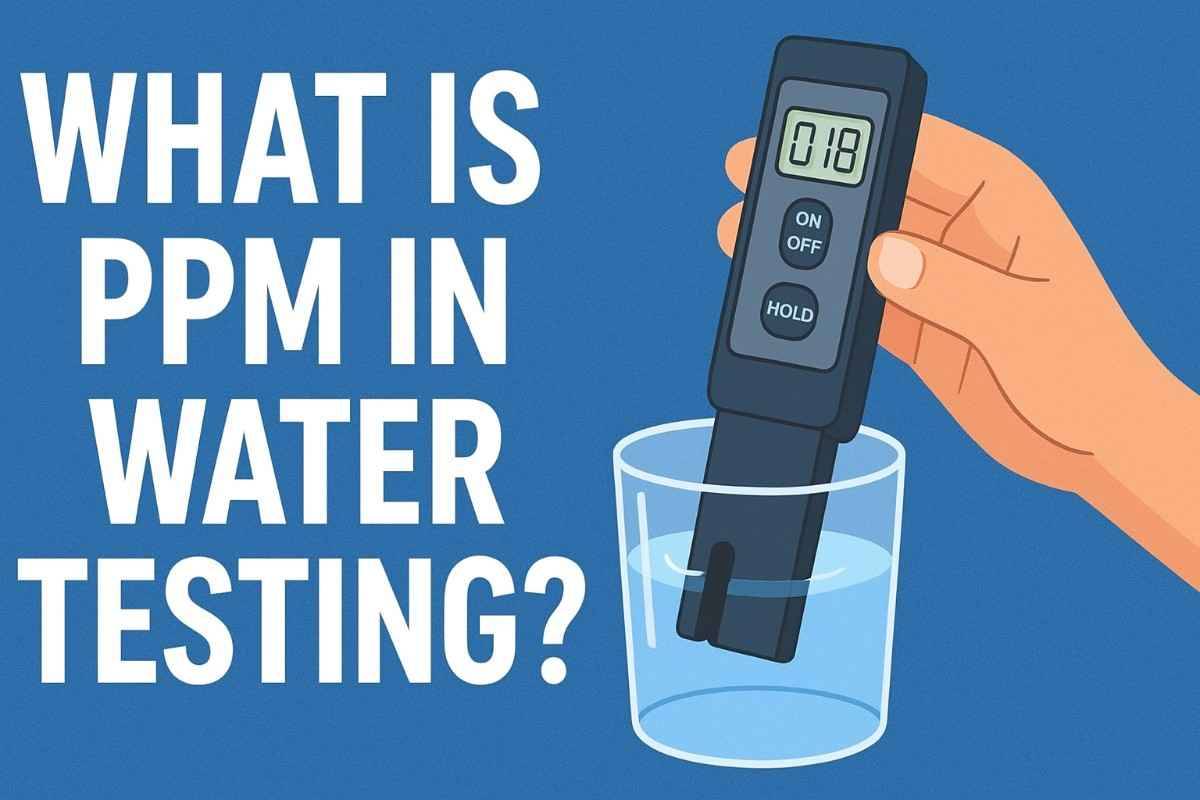
Scientists use a gadget called a TDS meter. It looks like a fat thermometer. You dip it in water, and it beeps out a number. Magic? No, it’s electrical conductivity.
Pure water doesn’t conduct electricity. But dissolved minerals do. More PPM = more conductivity. It’s basically a lie detector for your water.
 PPM In Water Quality – What Parts-Per-Million Means For Water Safety
You can buy a TDS meter for $10 online. Test your tap water. Test your friend’s tap water. Become a water detective. It’s weirdly fun.
The Grossest PPM Fact
Ready for this? A typical swimming pool has about 1 PPM of pee. Yes, human pee. Even if nobody admits it.
That’s because chlorine reacts with pee to create a chemical called chloramine. That “pool smell” isn’t clean water. It’s pee molecules reacting with chlorine. You’re smelling other people’s bathroom habits.
Thank PPM for that gross truth. Next time you swim, remember: 1 PPM is all it takes.
Why You Should Care
PPM is the hidden language of water. It tells you if your water is safe, tasty, or gross. It’s the difference between a crisp sip and a metallic burp.
Next time you read a water bottle label, look for the TDS number. Flaunt it. Say, “Ah, 85 PPM. A balanced choice.” Your friends will think you’re a genius.
And if you ever argue about water quality? Just drop the PPM bomb. “My water has a lower PPM than yours.” Boom. You win.
So go test your water. Learn its PPM. It’s science, it’s silly, and it’s in every glass you drink. That’s pretty cool for one tiny acronym.
Stay hydrated. And stay curious.
