Does Boiling Water Clean It

So, you're staring at a bottle of questionable water, maybe from a creek on a hike or a tap in a foreign country. Your brain goes straight to the classic survival trick: boili...
So, you're staring at a bottle of questionable water, maybe from a creek on a hike or a tap in a foreign country. Your brain goes straight to the classic survival trick: boiling it. It feels like simple magic, right? Pop it on a fire, watch it bubble, and boom—clean water. But does it really work that way? Let's geek out for a minute and unpack the science behind this ancient hack.
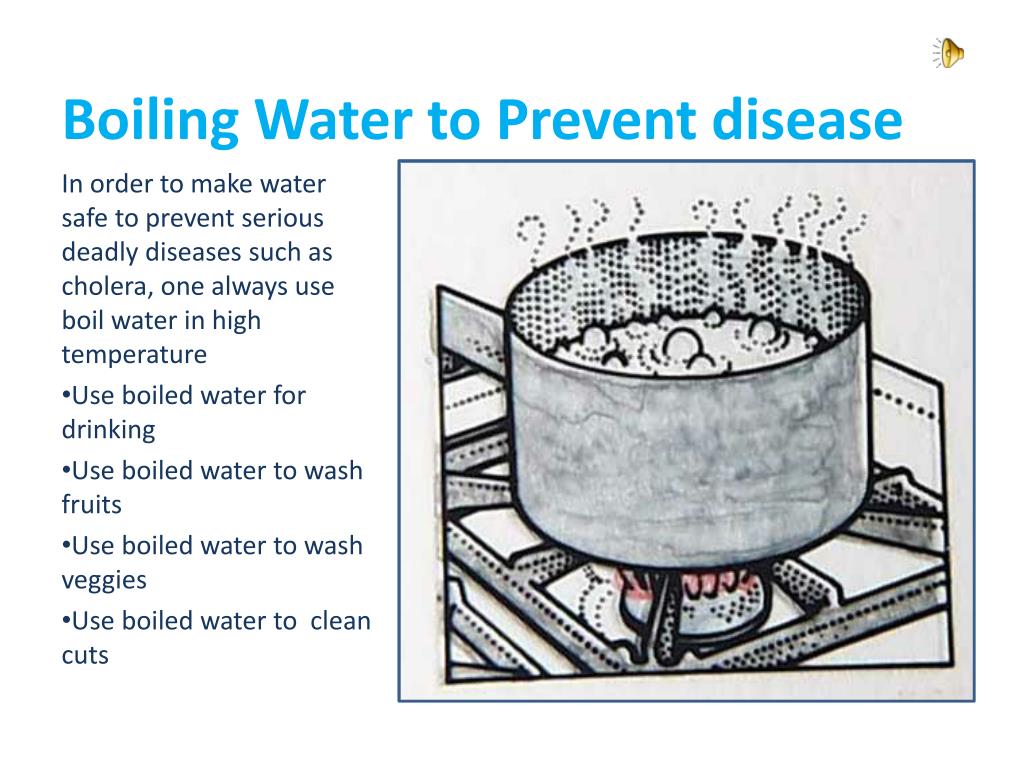
First off, yes, boiling water is incredibly effective at killing the bad guys. We're talking about bacteria, viruses, and protozoa—the microscopic party crashers that give you stomach trouble. When water hits a rolling boil at 212°F (100°C), it basically nukes these pathogens. It's like putting them in a hot car in the desert with no air conditioning—they don't stand a chance.
But here's where it gets interesting, and a little weird. Boiling water doesn't actually "clean" it in the way you might think. It won't remove physical stuff like dirt, sand, or rust. Ever boiled muddy water? You'll still get muddy water, just with fewer germs. It's like washing a muddy shirt in warm water—the mud's still there, you're just killing the bacteria on it.
Must Read
The Cool Part: What Boiling Does Best
Boiling is the Goldilocks solution for biological contamination. It's not too complicated, and it doesn't need fancy gadgets. Just fire, a pot, and patience. This is why it's the go-to for campers, travelers, and people in areas with unreliable tap water. It's cheap, low-tech, and reliable.
Think of it this way: your tap water at home is already treated with chemicals like chlorine. That's like a personal bodyguard for your water. But when you're out in the wild, you're the bodyguard. Boiling is your bouncer that kicks out the microscopic riff-raff. Most health experts recommend a rolling boil for one minute at sea level, or three minutes if you're up a mountain where water boils at a lower temp.
So why is this cool? Because it's a direct connection to our ancestors. Humans have been boiling water for thousands of years, long before we knew what germs even were. They just noticed that water from a hot spring or a boiled river tasted better and made them less sick. It's accidental genius that turned into a global habit.
 Community Pure Water
But Wait—What About Chemicals and Heavy Metals?
Ah, here's the twist. Boiling is a pro at biology, but a total dud at chemistry. If that creek water has lead, mercury, arsenic, or pesticides in it, boiling won't remove them. In fact, it can make things worse. As water boils off as steam, the concentration of some chemicals actually increases. Imagine boiling a pot of salty water—you end up with saltier water. Same principle applies to nasty stuff.
This is why you can't just boil any sketchy water. If you're near a farm, a mine, or a trash dump, boiling might not be enough. You'd need a filter or a chemical treatment first. Boiling is a one-trick pony, but that trick is absolutely killer for germs. It's like having a friend who can only do one dance move, but it's the best dance move at the party.
Another fun fact: cloudy water should be filtered through a cloth or left to settle before boiling. That way, you remove the big particles first, then cook the germs. It's like prepping ingredients before you cook a meal—you wouldn't throw a muddy potato straight into a soup, right?
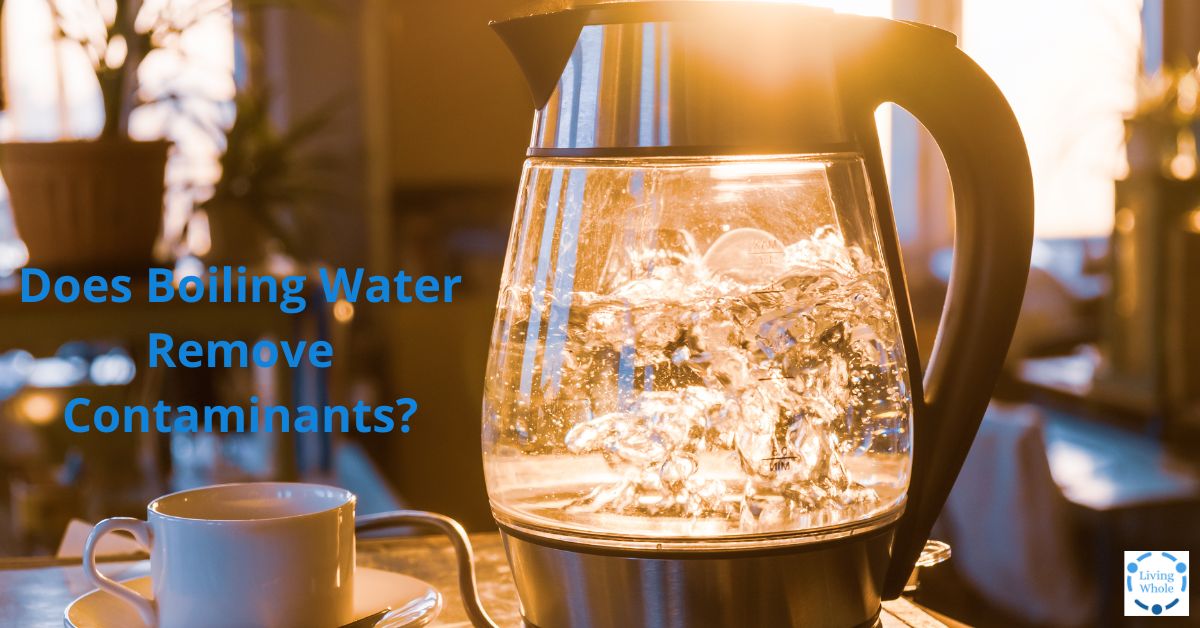 Does Boiling Water Remove Contaminants? | Living Whole
The Bottom Line: Should You Boil or Not?
For most situations, yes, boil it. If your water comes from a natural source or a questionable tap, a good boil is your cheapest, most effective health insurance. It kills the stuff that can ruin your week (or your vacation). Just remember the golden rule: bring it to a full, rolling boil that looks like a tiny volcano, then let it cool down naturally.
Here's a funny comparison: boiling water for safety is like charging your phone. It solves the main problem (low battery = germs), but it doesn't fix a cracked screen (chemicals) or a broken charger port (physical debris). It's a fantastic tool, but not a magic wand. So, next time you see a pot bubbling away, give it a little nod of respect. You're tapping into a 10,000-year-old tradition that's still saving lives today.
And if you ever wonder whether that boiled water is truly "clean"? Taste it. It'll taste flat, maybe a bit metalic. That's normal—the boiling removes dissolved oxygen. Pour it between two cups a few times to add oxygen back in. See? You're not just a water-boiler; you're a water sommelier. Stay curious, stay hydrated, and keep asking good questions.
