What Does Sulfur Smell Like

Let’s be honest: you already know what sulfur smells like, even if you think you don’t. That sharp, rotten-egg stench that makes your nose hairs curl? That’s sulfur, my friend...
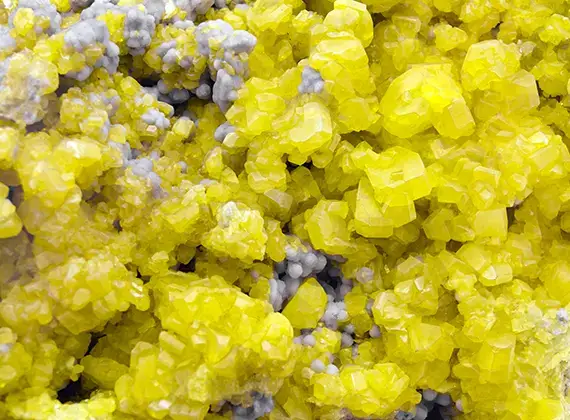
Let’s be honest: you already know what sulfur smells like, even if you think you don’t. That sharp, rotten-egg stench that makes your nose hairs curl? That’s sulfur, my friend, acting like the universe’s most aggressive prank call. It’s the smell that turns a perfectly good hard-boiled egg into a crime scene in your kitchen.
The Grand Deception of the “Rotten Egg”
Here’s the funny thing: pure sulfur doesn’t actually smell like much. It’s odorless in its elemental form, which is a bit like discovering a mime is actually a world-class opera singer. The infamous stink comes from its chemical sidekick, hydrogen sulfide (H₂S), a gas that forms when sulfur meets decaying organic matter.
Your nose is a dramatic genius at detecting this stuff. It can sniff out H₂S at concentrations as low as 0.0005 parts per million—that’s like finding a single, stinky needle in a haystack the size of Texas. Scientists believe this superpower evolved to keep us away from rotting food and swamp gas, which is nature’s way of saying, “Don’t eat that, you idiot.”
Must Read
When Your Body Betrays You (In the Most Fartastic Way)
You know what else churns out hydrogen sulfide? Your own gut bacteria. Yes, that post-burrito symphony you’re so proud of is a sulfur showcase. The gas gives flatulence its signature “punch,” which is why it clears rooms faster than a fire alarm.
But here’s a twist that’ll make you snort your coffee: your body actually produces trace amounts of H₂S in your blood vessels. It helps regulate blood pressure and protects cells from stress. That’s right: the smell of a dead skunk is essential for your survival. You are, in a very real sense, a walking, talking, borderline-gassy miracle.
Sulfur’s Glow-Up: From Hell to High Fashion
Despite its rep as olfactory lava, sulfur is a shy celebrity. It shows up in volcanic vents and hot springs, where it smells like a dragon’s hangover. The famous “rotten egg” reek of Yellowstone National Park is pure H₂S, making it the only US national park that doubles as a smell-based haunted house.
 My Water Smells Like Sulfur? | Culligan Quench
But then sulfur goes and gets a makeover. When chemists attach it to other molecules, it becomes the backbone of fragrant wonders. Garlic’s pungent kick? Sulfur. Onions that make you cry? Sulfur compounds again. Even the grapefruit’s sharp zing owes a debt to tiny sulfur molecules, proving that the element has serious range—like a musician who plays both death metal and lullabies.
The Shocking Truth About Your Matches
Remember those strike-anywhere matches you used as a kid? The initial “pop” and that acrid puff? That’s burning sulfur. It’s been lighting our way since the 1800s, though modern matches mostly use phosphorus. Fun prank: tell a friend you’re inventing “sulfur-scented candles for introverts.” They’ll never buy you candles again.
Sulfur also makes an appearance in gunpowder, black rubber, and even certain fertilizers. It’s the reason some wines have a “struck match” aroma that sommeliers gush about while normal people just sniff and say, “Huh.” The lesson? One atom can be an earthy villain in one context and a gourmet delicacy in another—sulfur is the chameleon of the periodic table.
 Sulfur in Water: Causes, Smell & How to Fix It
Why You Should Thank That Stinky Hot Spring
Ancient Greeks thought sulfur fumes were divine (or demonic, depending on the hangover). They built temples around hot springs, believing the smell cured skin ailments. Modern science agrees: sulfur kills bacteria and fungi better than my last roommate’s “mold is personality” philosophy.
Dermatologists use it in acne treatments and shampoos. That medicated scent you hate? That’s sulfur saving your face one stinky molecule at a time. Next time you slather on a sulfur mask, remember: you’re not smelling like a lost sock—you’re smelling like victory.
The Final, Unsettling, Yet Trippy Fact
Here’s the kicker: in high concentrations, hydrogen sulfide is lethally odorless. At around 100-200 parts per million, it overwhelms your scent receptors so fast that you can’t smell it anymore. It’s like the smell gaslighted your nose into submission. Then it paralyzes your respiratory system. Yikes.
But on the bright side, your everyday encounter with sulfur is just a smelly reminder of how alive you are. From farts to fine wine, from volcanic nightmares to zit creams, it’s the element that keeps nature honest. So go ahead, crack that hard-boiled egg, breathe deep, and thank your nose for the drama. You just smelled chemistry’s greatest prank—and lived to tell the tale.
