What Does Water Softener Do

Let’s be honest: you’ve probably never given your water a second thought. You turn on the tap, and out it comes—clear, wet, and seemingly perfect. But if you’ve noticed a weir...

Let’s be honest: you’ve probably never given your water a second thought. You turn on the tap, and out it comes—clear, wet, and seemingly perfect. But if you’ve noticed a weird film on your dishes, dry skin after a shower, or a chalky buildup on your faucets, your water is probably hard. And that, my friend, is where a water softener enters the chat.
The Hard Truth About Hard Water
Hard water is basically regular water that’s packed with extra minerals—mostly calcium and magnesium. It’s not dangerous to drink, but it’s a total nuisance for your home and your body. Think of it as the annoying friend who leaves a mess everywhere they go.
A water softener is like a bouncer for those minerals. It uses a process called ion exchange to swap calcium and magnesium for sodium or potassium. The result? Water that feels silky, smells cleaner, and behaves itself.
Must Read
What Does a Water Softener Actually Do?
Imagine a tank filled with tiny resin beads that are covered in sodium ions. When hard water flows through, the calcium and magnesium ions get attracted to the beads and swap places with the sodium. It’s like a microscopic trading post.
Eventually, the beads get full of minerals and need a “shower.” That’s the regeneration cycle, where the system flushes the beads with a salty brine solution to wash away the trapped minerals. The whole thing is automatic, quiet, and frankly, a bit magical.
The Perks You’ll Actually Notice
First up: your skin and hair. Hard water leaves a mineral residue that can make you feel sticky and dry. Soft water rinses clean, which means your shampoo actually lathers and your lotion actually works. It’s like upgrading your shower from a bus seat to a first-class cabin.
Next, your appliances will thank you. A water heater running on hard water builds up scale like a cave forming stalactites. With a softener, your washing machine, dishwasher, and coffee maker last longer and run more efficiently. You’re basically giving your tech a spa day.
And the dishes? No more cloudy glasses or water spots. That’s because soft water doesn’t leave behind a mineral film. Your wine glasses will look so clear, your guests might think you hired a professional cleaner.
 Salt Water Softener System Diagram Water Softeners Why? Service
Fun Facts to Impress Your Friends
Did you know that roughly 85% of American homes have hard water? That’s a lot of crusty faucets and dull laundry. Also, the first water softener patent was filed in the 1920s—before your grandparents even worried about their plumbing.
In pop culture, soft water is the unsung hero. Remember the scene in Breakfast at Tiffany’s where Holly Golightly takes a bath with a giant sponge? That fantasy works because the water is soft. Nobody wants a gritty bath scene.
Practical Tips for the Curious Homeowner
Test your water first. You can buy a simple test kit at the hardware store or call your local water utility. If your water hardness is above 7 grains per gallon, a softener is a solid investment.
Know your salt. The softener uses salt pellets, but you can also use potassium chloride if you’re worried about sodium. Check the machine’s manual, and set a reminder to refill the brine tank every few months.
Don’t soft-water your garden. Plants don’t like extra sodium. Install a separate outdoor faucet that bypasses the softener, or water your lawn with raw hard water. Your tomatoes will thank you.
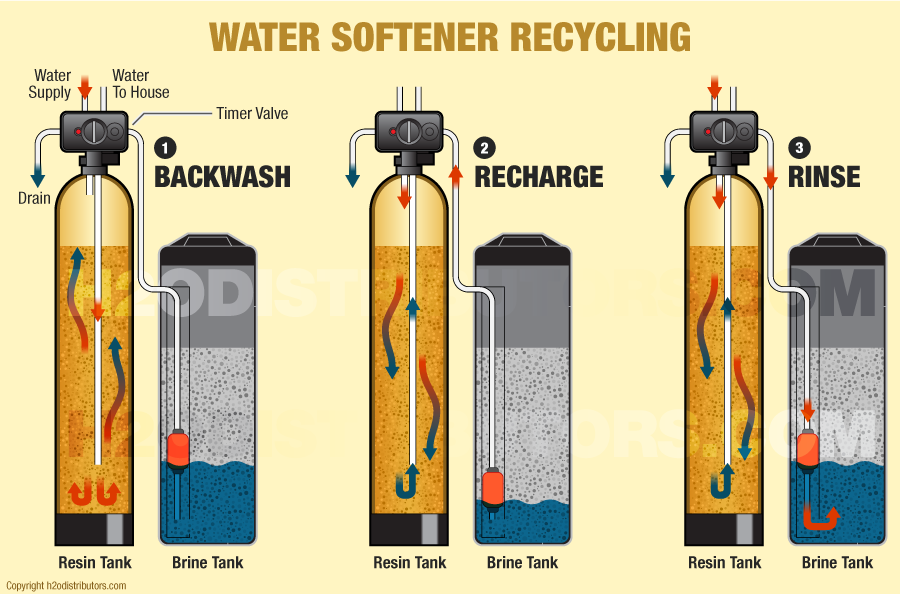 How Does A Water Softener Work Step By Step | Detroit Chinatown
The Cultural Side of Soft Water
Whole regions—like the American Southwest—are famous for their hard water. In contrast, places like New York City have naturally soft water, which is why their bagels and pizza crust are legendary. The mineral content in the water affects gluten development. Seriously.
So when you install a water softener, you’re not just fixing your pipes. You’re channeling the same water chemistry that makes a New York bagel taste like heaven. That’s a fun fact to drop at brunch.
The Bottom Line (Without the Grit)
A water softener doesn’t change what you drink. It changes how water interacts with everything else in your life—your skin, your laundry, your appliances, and your sense of daily comfort. It’s a low-maintenance upgrade with high-touch results.
And here’s the reflection: Water is the most basic thing we use, yet we notice it most when it’s wrong. A softener turns that unconscious annoyance into a quiet, consistent pleasure. You stop thinking about the film on your glass and start enjoying the clarity of the moment.
So go ahead. Give your water a makeover. Your faucets, your skin, and your Sunday morning bagel ritual will all quietly nod in approval.
