What Is A Water Softener Do

So, you’ve heard the term “water softener” thrown around, and you’re probably picturing a magic box that gives your tap water a silk robe and a spa day. Honestly? You’re not f...

So, you’ve heard the term “water softener” thrown around, and you’re probably picturing a magic box that gives your tap water a silk robe and a spa day. Honestly? You’re not far off.
Let’s be real for a second: if you’ve ever scrubbed a showerhead until your fingers cramped, or felt that weird, squeaky-clean feeling on your skin after a wash—that’s hard water making a mess of your life. Hard water is basically regular water that’s been on a mineral treasure hunt and came back with bags of calcium and magnesium. Great for rocks, terrible for pipes.
This is where our hero, the water softener, enters the scene. It’s not a superhero in a cape, but it might as well be one for your dishwasher. A water softener’s job is to remove those pesky minerals, swapping them for something friendlier—sodium (or potassium, for the fancy models). Yes, it adds a tiny bit of salt to your water, but we’re talking barely a pinch, not a salt lick for your morning coffee. Think of it as a bouncer at a club: “Sorry, calcium, you’re not on the list. Sodium, come on in.”
Must Read
Now, you might be thinking, “But my water looks fine! Why should I care?” Oh, my sweet summer child. Hard water is a silent saboteur. It leaves white, crusty deposits (hello, limescale) on your faucets, inside your kettle, and all over your glass shower doors. It’s like your water is secretly hosting a tiny science experiment that only makes your cleaning products cry.
And what about your laundry? Hard water can make your clothes feel stiff, like they’ve been starch-bombed by a grumpy ghost. Soft water, on the other hand, makes your detergent work twice as hard. Your towels get fluffier, your sheets feel softer, and you’ll spend less money on fabric softener. Your wardrobe will thank you—and so will your wallet.
How does this magic box actually work?
Inside the water softener, there’s a tank full of resin beads that look like tiny, plastic caviar. These beads are magnetically attracted to calcium and magnesium. As water flows over them, the beads grab the hard minerals and trade them for sodium ions. It’s basically a microscopic swap meet, and your pipes are the guests of honor.
Once the beads get too full of hard minerals, the system regenerates. This is the part where it flushes out the calcium with a super-salt brine solution, then rinses and repeats. Think of it as the machine taking a deep breath and hitting “reset.” It happens automatically (usually at night, because it’s courteous like that), so you barely have to lift a finger.
 Salt Water Softener System Diagram Water Softeners Why? Service
You do have to keep the salt tank full every few months. It’s like feeding a pet, but your pet is a giant plastic tub, and the food is a 40-pound bag of salt. Not exactly cuddly, but way less needy than a cat.
Wait, are there any downsides?
Okay, let’s not sugarcoat it. The slightly salty aftertaste might bother some people, especially in drinking water. If you’re a tea purist or a coffee snob, you might notice a tiny difference. Some folks install a separate reverse-osmosis filter in their kitchen to fix this. Think of it as the water softener’s cool older sibling who handles the final details.
Also, the initial cost can sting a little. A decent unit and installation can run a few hundred to a couple grand. But over time, you’ll save on plumbing repairs, new appliances, and a zillion bottles of descaling solution. It’s like buying a winter coat: you pay a bit now, but you don’t freeze your tuches off later.
One more thing: if you have a copper pipe system or certain types of sediment in your well water, you might need a pre-filter. Always check with a pro before you take the plunge. A little research now saves a big headache later. Trust me, I learned this the wet way.
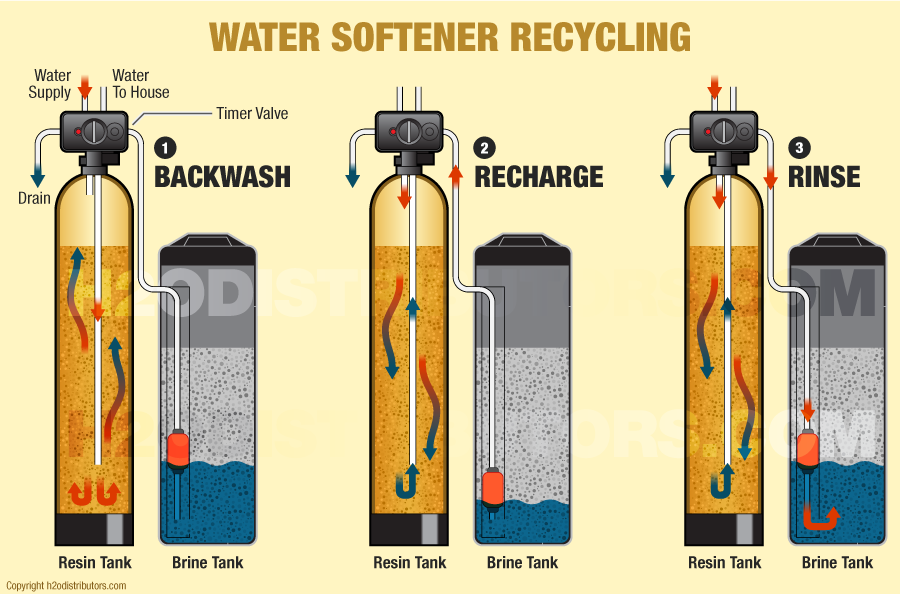 How Does A Water Softener Work Step By Step | Detroit Chinatown
Why you’ll actually love having soft water
Soft water makes your skin feel silky and less itchy, especially in winter. Your soap will lather up like a cloud, and your shampoo will foam like a champ. You’ll spend less time scrubbing soap scum off the shower walls, which means more time for, I don’t know, scrolling memes or staring into the void. Priorities, people.
Your coffee maker and dishwasher will also live longer. No more limescale clogging their little hearts. They’ll purr like kittens instead of growling like old tractors. And your pipes? They’ll stay clear and happy, meaning fewer emergency calls to a plumber who shows up at 11 PM wearing a snorkel. (Yes, that happened to my neighbor.)
Honestly, owning a water softener is like upgrading your home’s personality. It’s the house equivalent of getting a good haircut and a solid meal. Everything just works a little better.
So, what is a water softener do? It takes your hard, grumpy water and turns it into a gentle, helpful friend. It’s a glorified mineral-swapping machine that saves you money, time, and cleaning effort. Plus, it makes your showers feel like a fancy spa retreat—without the $100 price tag.
Final thought: If you’ve been wrestling with chalky faucets and dull hair, don’t suffer in silence. Get a water softener, let it do its little dance of ion exchange, and enjoy the soft, happy life. Your home will thank you, your skin will glow, and you’ll finally understand why people get excited about something as dull as water. Cheers to that—with a glass of perfectly soft, ice-cold H2O. Ahhh.
