What Is A Water Conditioner

Ever had that moment when you pour a glass of water, and it smells like a swimming pool threw up in your kitchen? Or when your showerhead starts acting like a grumpy old man,...

Ever had that moment when you pour a glass of water, and it smells like a swimming pool threw up in your kitchen? Or when your showerhead starts acting like a grumpy old man, spitting out a weak, sputtering stream instead of a relaxing cascade? You know exactly what I’m talking about—the hard water blues.
You might have heard whispers about a magical device called a water conditioner, and you probably thought, “Great, another expensive gadget that promises a miracle.” But hold your horses—or your hard-water-stained teacup—because this isn’t your typical, high-maintenance water softener. Let’s break it down in plain, everyday language.
So, What Actually Is a Water Conditioner?
Think of a water conditioner as the friendly neighborhood mediator for your pipes. Unlike a water softener that literally yanks out the calcium and magnesium (the tough guys causing all the trouble), a conditioner changes how these minerals behave. It doesn’t remove them; it uses a little science magic—often with a magnetic field or a special filter—to transform the minerals into tiny, harmless particles that won’t stick around.
Must Read
Imagine you’ve got a bunch of rowdy teenagers (the hard minerals) trying to glue themselves to your pipes and faucets. A softener kicks them out of the house entirely. A conditioner? It just whispers, “Hey guys, let’s not be jerks,” and convinces them to float on by without causing a ruckus.
This is huge for folks who hate the slimy feeling of soft water on their skin—yes, some people actually like that slippery sensation from softeners, but others find it creepy. A conditioner keeps your water feeling like real water, just without the crusty aftermath.
Why You’ve Already Met This Problem
You know those white, chalky rings that form on your coffee maker like a tiny, stubborn snow globe? That’s scale. It’s the physical evidence of hard water throwing a tantrum. A water conditioner stops that tantrum before it starts.
Have you ever washed a load of dark laundry and found it looking dull, like the color just gave up and went home? That’s also hard water sticking to your clothes. With a conditioner, your towels stay fluffy, and your black T-shirts don’t look like they’ve been through a war.
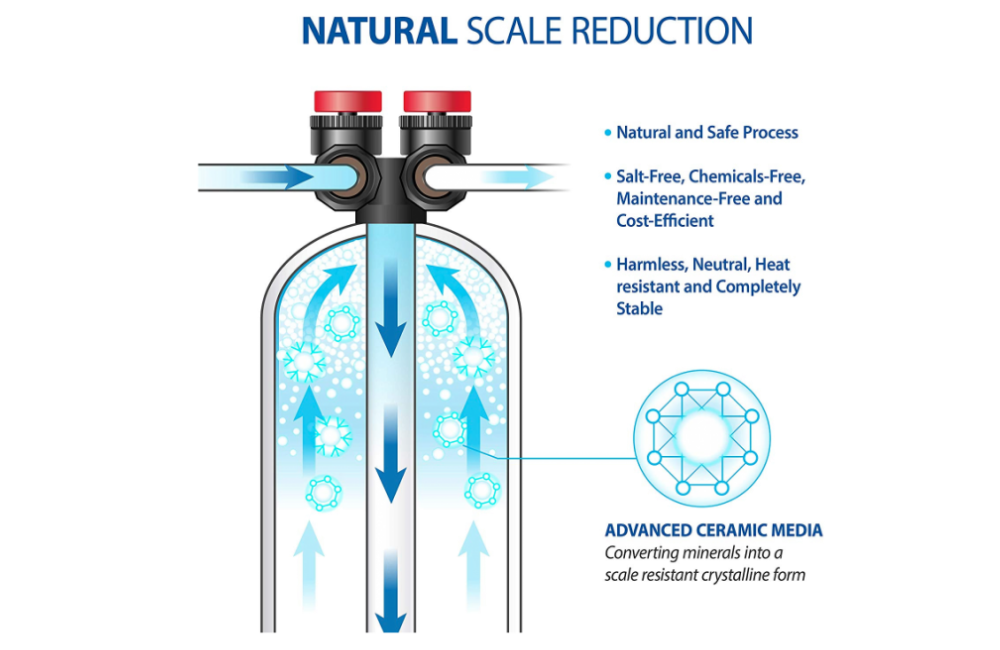 How Do Water Conditioners Work – VJNT
And to make it personal: do you spend a fortune on soap and shampoo, yet still feel like you can’t get a good lather? Hard water is the culprit. A conditioner makes your soap sudsy and effective again, saving you money and shower time.
The Best Part? No Heavy Maintenance.
Here’s where the easy-going vibes really kick in. A water softener often needs you to haul heavy bags of salt into your basement, like you’re feeding a grumpy pet. A water conditioner? It’s mostly low-energy and low-fuss. Many are installed right at your main water line and just do their thing without asking for anything in return.
You don’t need to remember to buy salt. You don’t need to schedule a technician to come clean a resin tank. It’s the “set it and forget it” of the water treatment world, like a houseplant that thrives on neglect.
Think of it this way: a softener is the high-maintenance friend who needs constant attention. A conditioner is the chill buddy who shows up, helps, and leaves without eating all your snacks.
Who Should Kick Back and Get One?
If you live in an area where your water leaves red or brown stains in the toilet (that’s iron, a special kind of hard water villain), a conditioner is a lifesaver. It halts that rusty mess without harsh chemicals.
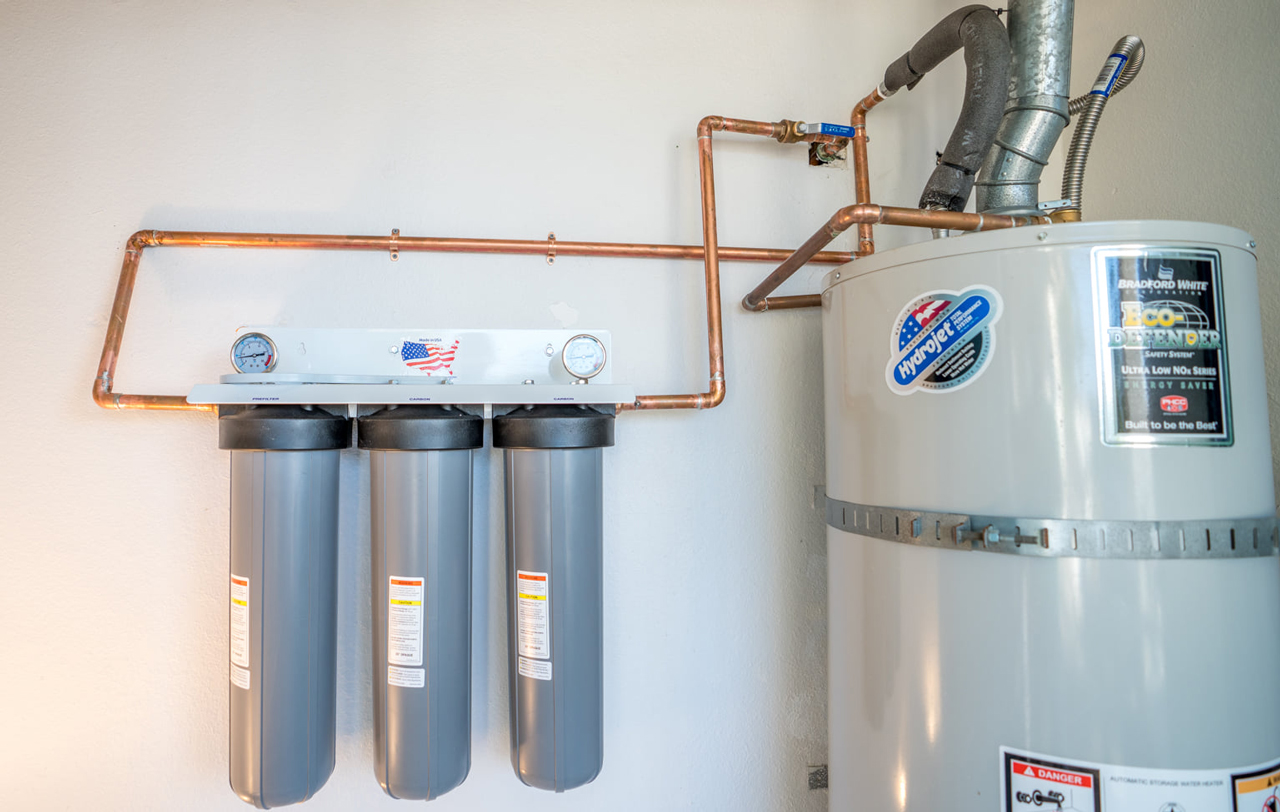 How To Buy A Water Softener System at Ben Lackey blog
If you’ve got old pipes or a tankless water heater, a conditioner is especially kind. It protects your expensive appliances from scale buildup, which is the silent killer of water heaters. It’s like giving your fridge and dishwasher a gentle, preventative hug.
And honestly? If you just want your water to taste neutral and not like a chemistry experiment, a conditioner that includes a carbon filter is your new best friend. It handles the chlorine taste that makes tap water rough, while keeping the healthy minerals intact.
The Bottom Line (No Science Degree Required)
A water conditioner won’t make your water completely “soft” in the traditional sense. You won’t get that slick, salon-shampoo feeling. But you will get spot-free glasses, longer-lasting appliances, and less scrubbing of shower doors.
It’s the practical choice for people who want a better shower without a complicated ritual. If your water is giving you a headache, this is the aspirin that doesn’t require a manual.
So, next time your faucet starts whispering complaints, don’t panic. You now know the trick—a water conditioner is just the relaxed, unassuming helper your home’s plumbing has been asking for. Cheers to that, and to waters that mind their own business.
