What Is Alkalinity Of Water

Okay, let’s talk about water. Not the boring, plain stuff. Let’s talk about its attitude. We’re diving into alkalinity. It’s not a scary chemistry term. It’s your water’s mood...

Okay, let’s talk about water. Not the boring, plain stuff. Let’s talk about its attitude. We’re diving into alkalinity. It’s not a scary chemistry term. It’s your water’s mood, its chill factor.
Think of water as a teeter-totter. On one side sits acid. On the other sits base (that’s alkalinity). Alkalinity is the muscle that pushes back against acid. It’s the water’s bodyguard.
What Does “Alkalinity” Actually Mean?
Simple: alkalinity is a measure of your water’s ability to neutralize acid. It’s not the same as pH, which we’ll get to in a sec. Think of pH as the temperature of the room. Alkalinity is the furnace that keeps it stable.
Must Read
If you pour lemon juice (very acidic) into pure water, the pH drops fast. Pure water has zero bodyguard. But if you pour lemon juice into water with high alkalinity? The water shrugs. It says, “Is that all you got?”
That stubbornness is alkalinity at work. It buffers. It resists change. It’s the reason your fish tank doesn’t crash overnight.
The Quirky Science Behind It
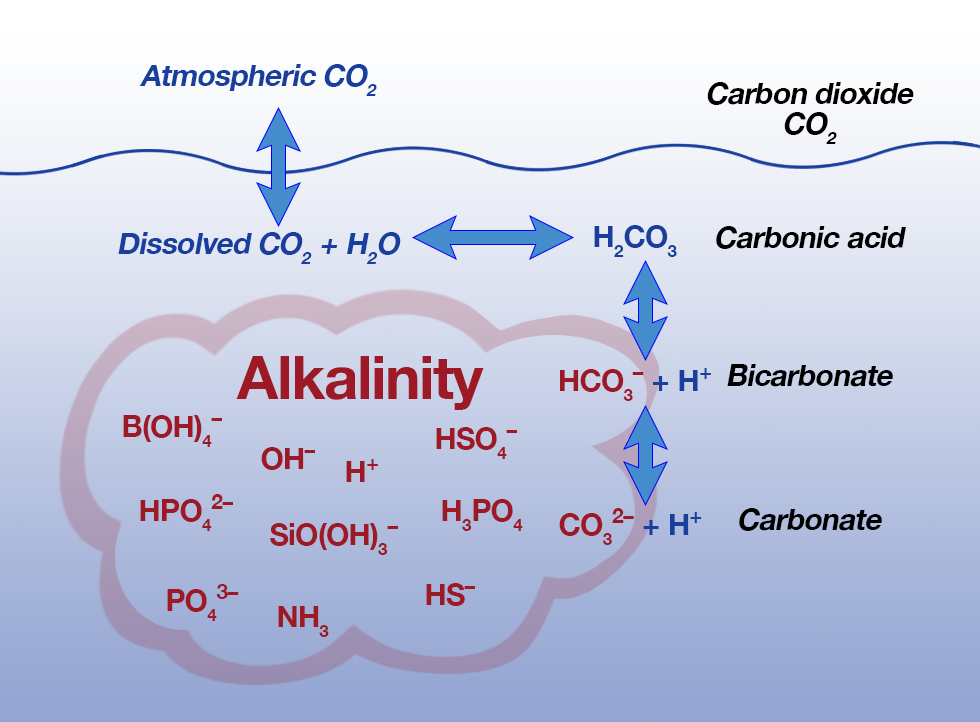
Alkalinity comes from minerals. Specifically: bicarbonates, carbonates, and hydroxides. It’s basically dissolved rock in your glass. You’re drinking a little piece of a mountain. How cool is that?
When water runs over limestone, it picks up these minerals. The water becomes hard, but also very alkaline. That’s why spring water sometimes tastes “smoother.” It’s not magic. It’s geology.
Fun fact: The Great Lakes have low alkalinity. They’re like sensitive teenagers. The ocean has high alkalinity. It’s a wise old grandparent who’s seen everything. Nothing fazes the ocean.
Why Should You Care About Your Water’s Alkalinity?
First: your pipes. If your water is too acidic (low alkalinity), it starts eating your plumbing. Copper pipes leach into your water. You get blue-green stains in your sink. Not a vibe.
Second: your coffee. Seriously. Coffee is acidic. If you brew with low-alkalinity water, it tastes sour and flat. High-alkalinity water neutralizes some acid, giving you a smoother, richer cup. Baristas obsess over this. You should too.
Third: your garden. Plants hate big pH swings. Water with good alkalinity keeps the soil stable. It’s like giving your tomatoes a cozy, predictable home. No drama.
 Alkalinity Of Water Meaning _ Water alkalinity and pH: What they mean
The Wild World of Swimming Pools
Pool owners are obsessed with alkalinity. Why? Because if it’s low, the chlorine evaporates instantly. Your pool turns into a green swamp. If it’s too high? The water turns cloudy and crusty. Yuck.
The perfect pool alkalinity is 80-120 parts per million. That’s a very specific sweet spot. It’s like Goldilocks, but with more slime. People literally buy test kits for this. It’s a whole hobby.
Alkalinity vs. pH: The Epic Showdown
Here’s where people get confused. pH measures intensity. Alkalinity measures capacity. Imagine a tiny fire (low pH). A bucket of water puts it out. That bucket is your alkalinity.
Now imagine a huge campfire (very low pH). You need a fire hose of water. That’s high alkalinity. pH tells you how angry the acid is. Alkalinity tells you how much water you have to fight it.
You can have water with a pH of 8.5 (basic) but very low alkalinity. It’s like a weakling acting tough. One drop of acid, and it crumbles. Don’t be fooled by high pH alone.
The Funny Truth About Bottled Water
Ever buy “alkaline water” at the store? It’s a trend. Some brands claim it “balances” your body. Here’s the truth: your stomach is a vat of acid. It immediately neutralizes any alkaline water you drink.
That $4 bottle? Your stomach laughs at it. But the marketing is brilliant. They put the word “alkaline” on a fancy label, and suddenly water is exotic. It’s just water with extra minerals, folks.
Real high-alkalinity water tastes weird. It feels slippery in your mouth. Like you’re drinking liquid silk. If your tap water has that slick feel? Congratulations. You have hard, alkaline water. No bottle needed.
 Exp 3 Alkalinity of Water - Civil Engineers PK
How to Test for Alkalinity (Without a Lab Coat)
You can buy simple test strips at any pet store. Drop one in a glass. Wait for a color change. Match it to a chart. That’s it. You are now a water scientist.
For pool owners: there are dropper kits. You add drops of acid to a water sample until it changes color. Count the drops. That number is your alkalinity. It feels like a chemistry experiment from Breaking Bad, but for your swim.
If you’re really curious, contact your local water utility. They publish a report every year. You can see exactly how much alkalinity flows through your tap. It’s public data. Knowledge is power.
Why This Topic is Just Plain Fun
Alkalinity is the unsung hero of water. It doesn’t get the fame of pH. But without it, everything would be chaos. Fish would die. Pools would stink. Coffee would taste like regret.
It’s also a great party fact. At dinner, mention that your city’s water has “high total alkalinity.” People will stare. Then you explain the bodyguard analogy. Suddenly, you’re the fun one at the table.
And here’s the weirdest part: your own blood has a very specific alkalinity. Your body fights to keep it at pH 7.4. If it drifts too low or too high, you’re in trouble. So when you drink water, you’re literally reinforcing your internal bodyguard.
So next time you take a sip, think about that. You’re drinking a little rock juice that fights off chaos. It’s stable. It’s stubborn. It’s alkaline. And now you know the secret.
(Don’t worry. That $4 bottle still tastes the same. But now you can mock it with authority.)
