How To Solve Water Scarcity

I remember standing in my grandmother’s kitchen last summer, watching her scrub a single potato under a trickle of water. She’d catch the runoff in a bucket, then use it to wa...

I remember standing in my grandmother’s kitchen last summer, watching her scrub a single potato under a trickle of water. She’d catch the runoff in a bucket, then use it to water her basil plant on the windowsill. I asked her why she bothered, and she just shrugged: “Because every drop has a job, and I’m not about to fire it.” That moment stuck with me. It’s not about being cheap—it’s about realizing that water scarcity isn’t a future problem; it’s a present one, hiding in plain sight.
So, how do we actually solve this? Not with boring pamphlets or guilt trips, I promise. We need to get a little clever, a little cheeky, and a lot more practical. Here’s the thing: you don’t need to be a scientist or a billionaire to make a dent. You just need to start seeing water like my grandma does—as a limited, precious resource that you’re personally responsible for. (And no, taking three-minute showers isn’t the only answer. Let’s aim higher.)
Think Like a Sponge, Not a Pipe
Most of our water systems are designed like a straight pipe: bring it in, use it once, flush it away. That’s insane when you think about it. Instead, we need to act like a sponge—absorbing, storing, and reusing water over and over. The simplest fix? Rainwater harvesting. Stick a barrel under your gutter, and you’ve got free water for your garden.
Must Read
I’m serious—one rain barrel can save you 1,300 gallons a year. That’s enough to wash a car, water tomatoes, and still have some left over for a dramatic backyard slip-and-slide (I won’t judge). For apartment dwellers, there are collapsible buckets that fit on a balcony. It’s not rocket science—it’s just redirecting what falls from the sky. And rain doesn’t ask for permission.
Greywater: The Ugly Hero You Need
Here’s where it gets a little gross, but stay with me. The water from your shower, your sink, and your washing machine—called greywater—is perfectly safe for your lawn and trees. Not for drinking, obviously. (Please don’t make smoothies with it.) But with a simple diverter valve, you can send that soapy water straight to your garden instead of down the sewer.
One plumber in Arizona told me he rerouted his washing machine to water his oranges, and his trees now produce three times more fruit. The irony? He actually uses less water overall. So, if you’re okay with your lemons smelling faintly of lavender soap, this is a win-win. And for the love of all that is green, don’t use toxic bleach if you want to try this. Your hydrangeas will thank you.
The Drip That Beats the Flood
Traditional sprinklers are the 8-lane highways of watering—wasteful and dramatic. You know what’s better? Drip irrigation. It’s a system of tiny tubes that deliver water slowly directly to the plant roots. No spray wasted on the sidewalk, no water evaporating into the hot air. It’s like giving your plants a stealthy IV drip instead of dumping a bucket over their heads.
 Water Scarcity in Africa: The Alarming Reality in 2025 | H2O Global News
For a small garden, you can buy a kit for the price of three fancy coffees. Install it in an afternoon, and your water bill will drop by at least 30%. And if you’re feeling extra handy, you can hook it up to a timer. That way, your garden gets a drink at 5 AM while you’re still dreaming about winning the lottery. Efficiency doesn’t have to be boring—it can be lazy, too.
Eat Lower on the Water Chain
Okay, pop quiz: Which takes more water to produce—a pound of beef or a pound of potatoes? The answer is beef, by a factor of about 10. That’s not a lecture on veganism; it’s just a fact. One quarter-pound burger costs roughly 1,800 gallons of water to produce, mostly for growing the cow’s feed. A veggie burger? Maybe 100 gallons.
You don’t have to go full rabbit diet. But swapping one beef meal a week for a lentil stew or a bean burrito saves more water than turning off your shower for a month. (And honestly, have you tried a good lentil stew? It’s basically comfort in a bowl.) I’m not your mother, but maybe try a “Meatless Monday” and see if the planet—and your digestion—feels better.
Fix the Leaks, You Absolute Rebel
The Environmental Protection Agency says the average home loses nearly 10,000 gallons a year to leaks. That’s enough to fill a small swimming pool or drown your guilt trip. A dripping faucet might seem harmless, but it’s the water equivalent of leaving your front door open with the AC blasting. And it’s usually a $2 rubber washer away from being fixed.
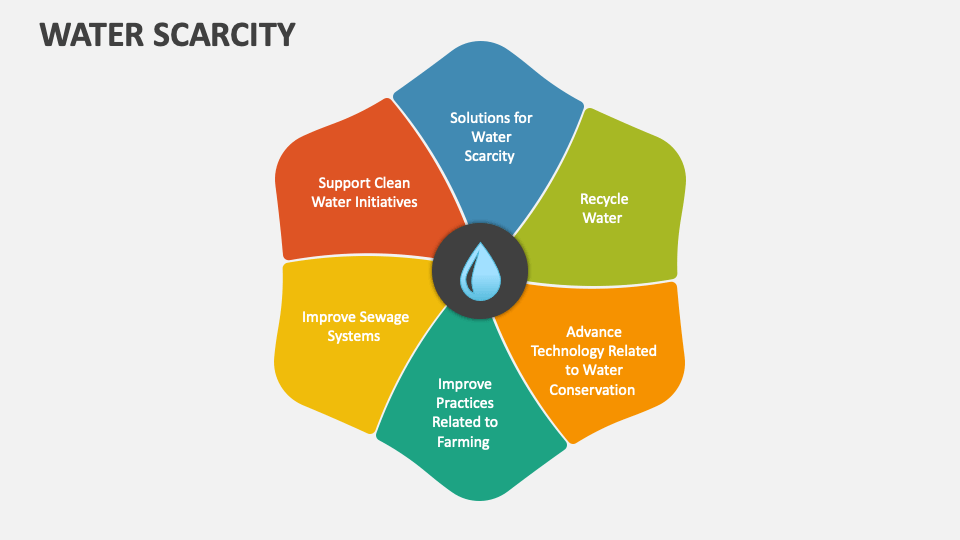 Water Scarcity Infographic Template
So, channel your inner plumber. Watch a YouTube video. Buy a wrench. That slow drip in the bathroom? It’s not “character”—it’s a tiny crime against logic. Fix it, and you’ll feel like a hero every time you hear silence instead of that rhythmic plink. Plus, you can use that saved water money to buy yourself a fancy cocktail. You earned it.
The Policy Shift (The Part That Feels Boring Until It’s Not)
Individual actions are great, but let’s be real: if your city’s pipes are from 1920 and leaking like a sieve, your rain barrel is just a drop in the bucket. We need to push for infrastructure upgrades. The good news? Smart cities are starting to use sensor networks to detect leaks in real-time. The bad news? Nobody pays for it unless voters yell.
So get a little loud. Call your city council and ask about water-efficient building codes. Support local projects that restore wetlands—they naturally filter and store water. And if someone tells you “there’s no money for that,” remind them that fixing a leaky pipe is cheaper than building a new dam. That usually shuts them up.
Look, solving water scarcity isn’t about being a saint. It’s about being shrewd. Catch the rain, reuse the greywater, eat a bean burrito, and fix that stupid leak. My grandma didn’t have a degree in hydrology—she just had a bucket and a stubborn belief that every drop matters. And she’s right. So, what are you waiting for? Go fire up that wrench. The basil plant is counting on you.
