How To Prevent Water Crisis

So, picture this: I’m standing in my kitchen, about to make my morning coffee, and I turn on the tap. Nothing. Just a sad little gurgle, like the pipe is clearing its throat i...

So, picture this: I’m standing in my kitchen, about to make my morning coffee, and I turn on the tap. Nothing. Just a sad little gurgle, like the pipe is clearing its throat in apology. Turns out, a construction crew two blocks over had nicked a main line, and the entire neighborhood was dry for four hours. I stood there, coffee-less, staring at that silent faucet, and suddenly felt a tiny, irrational panic—like, what if this was forever?
That’s when it hit me: we treat water like it’s infinite, like it’ll always come gushing out when we need it. But the truth is, a water crisis isn’t some distant, apocalyptic movie scene. It’s a slow, sneaky emergency that starts with a dry tap and ends with empty reservoirs. The good news? You don’t need to be a superhero or a billionaire to stop it. You just need to be a little less wasteful and a little more clever.
Let’s start with the big, dumb elephant in the room: our lawns. Seriously, America, why are we watering grass like it’s a cash crop? I’m looking at you, suburban sprinkler systems that run at noon in July. That water is evaporating before it even hits the soil. Switch to drip irrigation or just let your lawn go brown for a bit. It’s not a sign of laziness—it’s a sign of sanity.
Must Read
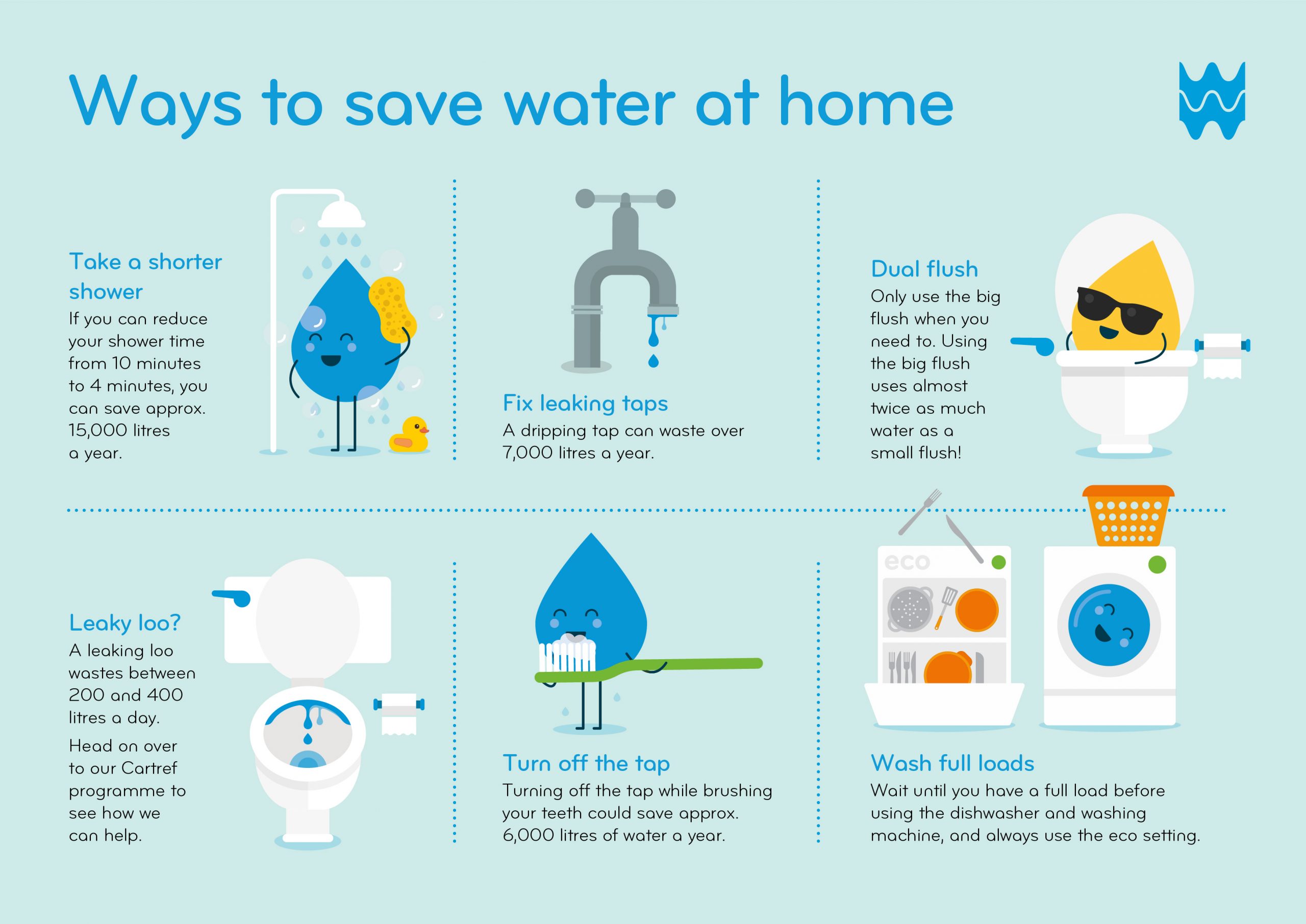
And while we’re at it, fix your leaks. That dripping faucet in your bathroom? It wastes about 3,000 gallons a year. That’s enough to fill a small swimming pool. I know, I know—calling a plumber is annoying. But so is watching your city impose water rationing. (Side note: if you’re handy, YouTube can teach you to fix a leaky toilet flapper in ten minutes. You’ll feel like a wizard.)
Let’s talk about the shower. I love a long, steamy shower as much as the next person—it’s the only place where I can pretend to be a famous singer without judgment. But do you really need to stand under the spray for fifteen minutes? Cut it to five, and you’ll save 20 gallons per shower. That’s 7,000 gallons a year. Imagine that water going to a farmer’s field instead of down your drain while you hum a bad rendition of “Bohemian Rhapsody.”
 Water Infographic
Change your habits, not your whole life
I’m not here to tell you to stop washing your clothes or to collect rainwater in buckets like a medieval peasant. That’s not sustainable for most of us. But here’s a tiny, painless hack: only run your dishwasher and washing machine when they’re full. That’s it. You’re not saving water by running a half-load; you’re just wasting it twice. And while you’re at it, skip the pre-rinse. Modern dishwashers are way smarter than you think.
Another weird one: keep a pitcher of water in your fridge. How many times have you let the tap run for a minute to get cold water, then watched that perfect, cold stream just disappear down the sink? Ouch. Fill a pitcher at night, and you’ll never have to “wait for cold water” again. You’ll also save about 300 gallons a year. That’s for nothing. Literally, zero effort.
The infrastructure rant (short, I promise)
Okay, I know personal habits are only part of the puzzle. The real water crisis is often about old pipes and wasteful agriculture. Some cities lose 30% of their water to leaks before it even reaches your house. That’s criminal. But you can’t fix a pipe the size of a truck—you can, however, vote. Support local ballot measures that fund water infrastructure. Call your city council and ask why their pipes are from the 1920s. Be annoying. It’s your water.
 Creative Ways To Save Water At Home | Detroit Chinatown
And agriculture? The biggest water hog on the planet. But you have power here, too. Eat less beef. I’m sorry, I know that’s a tough one, but it takes 1,800 gallons of water to produce a single pound of beef. Compare that to 300 gallons for a pound of rice. Look, I’m not saying go full vegan—just swap one burger a week for a bean burrito. That single choice saves more water than a month of short showers. (Plus, beans are cheap and make you fart, which is just hilarious.)
Let’s loop back to where we started. That morning without coffee? It taught me something valuable: water isn’t just a resource—it’s a fragile, shared privilege. And the way to prevent a crisis isn’t a grand, heroic gesture. It’s a thousand small, boring, intelligent choices. Brad Pitt isn’t coming to fix your leaky faucet. You have to be the weird neighbor who collects rainwater and talks about “greywater systems” at dinner parties. Own it.
So go ahead. Turn off the tap while brushing your teeth. Eat that bean burrito. Fix that drip. It’s not about saving the world—it’s about making sure your tap never goes dry. And maybe, just maybe, you’ll still get your morning coffee.
