How To Measure Tds In Water

You know that moment when you're filling your coffee maker and you just know the water smells a little off? Like it’s been hanging out with a wet sock for too long? That, my f...
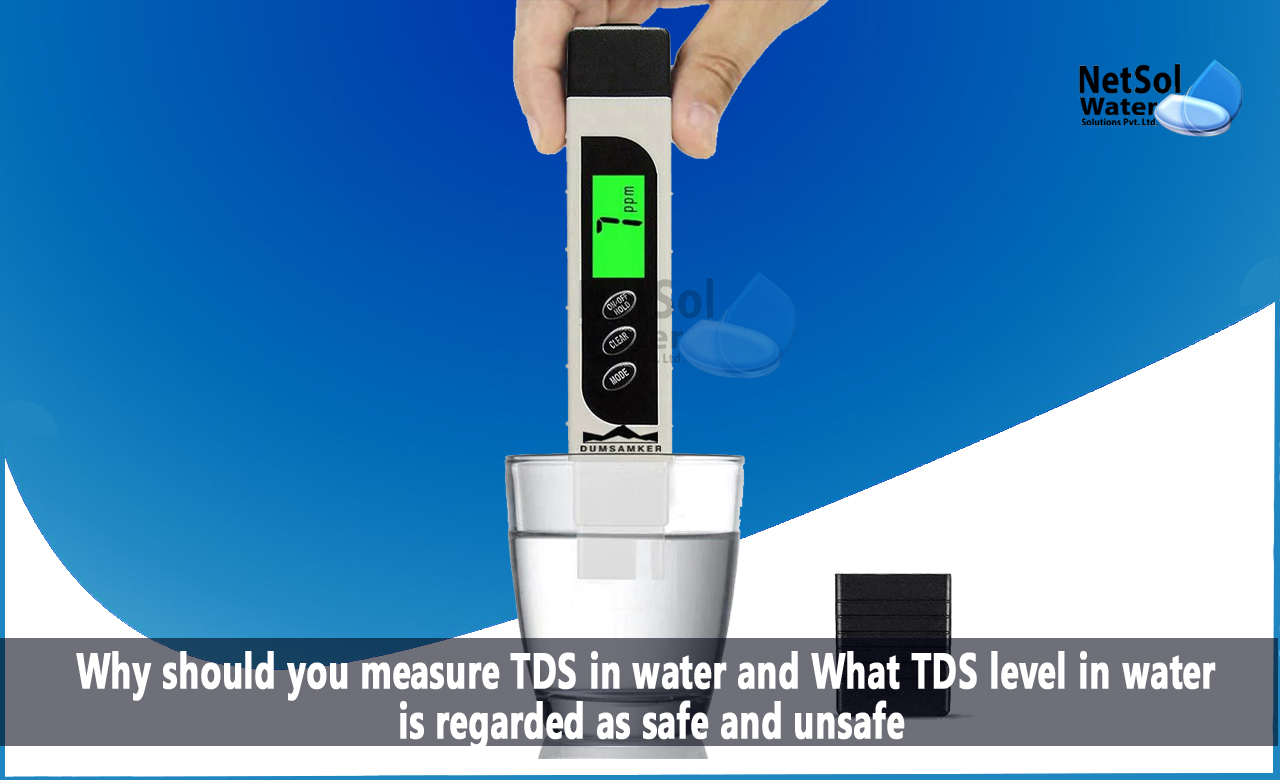
You know that moment when you're filling your coffee maker and you just know the water smells a little off? Like it’s been hanging out with a wet sock for too long? That, my friend, is often a sign that your water’s Total Dissolved Solids (TDS) are throwing a tiny, invisible party. And trust me, you want to be the bouncer at that party.
TDS is basically the fancy term for everything that’s not H2O in your water. Think of it as the leftover crumb trail from mineral mishaps and calcium courage. It’s not always evil—some TDS is good, like the calcium that makes your bones happy. But too much? That’s when your water starts tasting like a melted vitamin store.
Why Bother Measuring?
Maybe your tap water tastes like a metal spoon licked a penny. Or you’ve noticed white crusty stuff on your kettle that looks like a science experiment gone wrong. That’s scale, baby. Measuring TDS tells you if your water is more mountain spring or abandoned pool.
Must Read
It’s also a life-saver for your coffee maker. Nobody wants a bitter brew because your water had more minerals than your multivitamin. Seriously, your morning joe deserves better than a TDS hangover.
The Tools: Enter the TDS Meter
You don’t need a lab coat or a degree in chemistry. You just need a TDS meter, which looks like a chunky thermometer that a submarine captain might use. It costs about the same as a fancy latte—and it lasts longer.
Most meters are stupidly simple: a little pen-like gadget with a metal probe. You pop the cap off, stick the probe into a glass of water, and wait for the magic number. It’s like taking a temperature, but instead of checking for a fever, you’re checking for water-cess.
Step One: The Dip
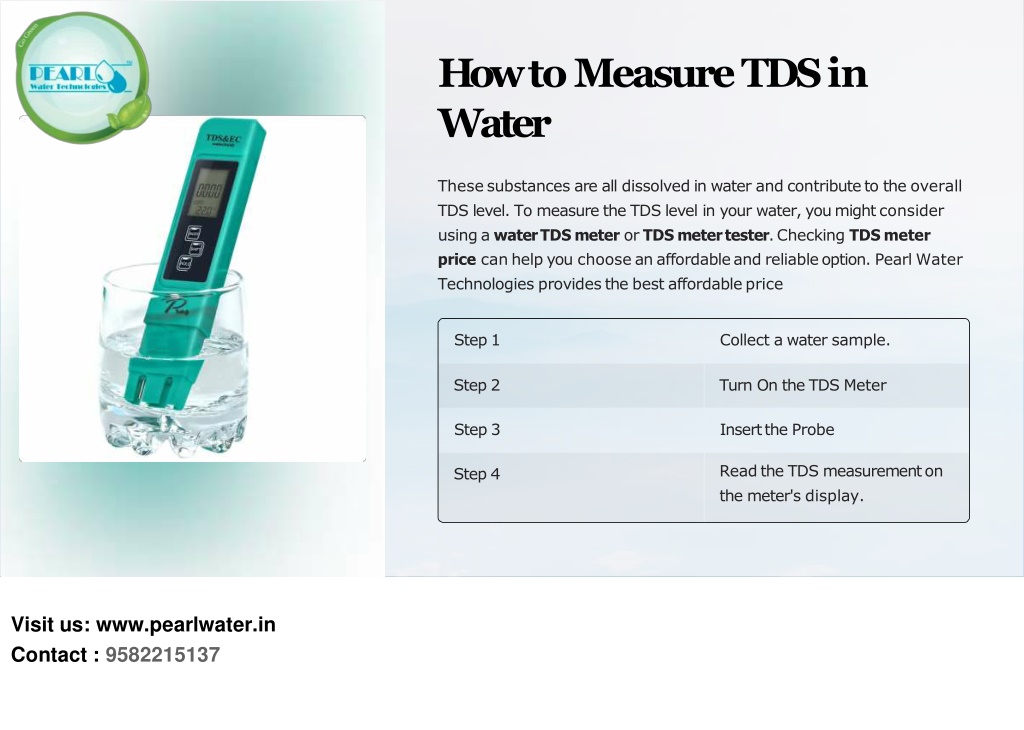
Fill a clean glass with water—tap, filtered, or from that sad water cooler at work. Submerge the probe up to the immersion line (usually a little mark near the bottom). Don’t dunk the whole thing; we’re not making soup.
Let it sit for a few seconds. You’ll see the numbers on the tiny screen start dancing like they’re at a disco. When it stabilizes, that’s your TDS reading. It’s like the water’s fingerprint—except less mysterious and more about salt.
 Tds Water Meter Chart – What Is A Tds Meter – FPYK
Step Two: Read the Number
Your meter will show a number in parts per million (ppm). Here’s the cheat sheet: 0–50 ppm is basically distilled water—boring, but safe. 50–150 ppm is ideal for drinking and coffee. 150–300 ppm is okay, but your kettle might start plotting against you.
Anything over 300 ppm? That water is living its best life as a mineral bath. It’ll taste heavy, and it’ll leave a crust on your appliances like a bad houseguest. Over 500 ppm? You’re basically drinking rock juice.
The Anecdote of the Garden Hose
I once tested my garden hose water because I thought it smelled like a swamp. The TDS meter screamed 720 ppm. That water was more solid than liquid—I’m pretty sure it could hold a shape. I felt like I’d been watering my tomatoes with a fossilized bath salt.
So I switched to a simple carbon filter for my kitchen tap. Now my coffee tastes like hugging a cloud, and my kettle doesn’t look like a chalkboard anymore. Lesson learned: measure before you curse.
Common Mistakes (That You’ll Probably Make)
First: don’t test hot water right out of the tap. Hot water has bubbles and dissolved gases that mess with the reading. Wait for it to cool down, or you’ll get a misleading number—and a sad face.
 PPT - What-is-TDS-in-Water-Your-Complete-Guide-to-Understanding-TDS
Second: don’t calibrate with your spit. (Yes, I’ve seen people try.) The meter needs a special calibration solution, usually 342 ppm. But for home use, you can skip this unless you’re a professional water sommelier.
When to Punish Your Water
If your TDS is over 300 ppm and tastes funky, consider a reverse osmosis system or a pitcher filter. If it’s under 50 ppm, you’re drinking empty water—add minerals or just enjoy the clean slate.
The sweet spot for most people is 100 to 150 ppm. That’s the Goldilocks zone: not too empty, not too fuzzy. Your tea will thank you, and your toilet won’t throw a scale tantrum.
Final Nod to Sanity
Measuring TDS isn’t about being a water snob. It’s about knowing your enemy—or your friend. Once you see that number, you can decide if your water needs a spa day or a stern talking-to.
So go ahead, grab a TDS meter. It’s cheaper than therapy, and it’ll tell you why your iced tea tastes like a memory of better days. And if the number is scary? Just smile, pour it down the drain, and vow to do better. Your appliances will high-five you—silently, with less scale.
