Why Is Water Not A Mineral

A few weeks ago, I was hiking with a friend, and we stopped at a crystal-clear stream. He scooped up a handful of water and said, “Look at that pure mineral water.” I almost c...
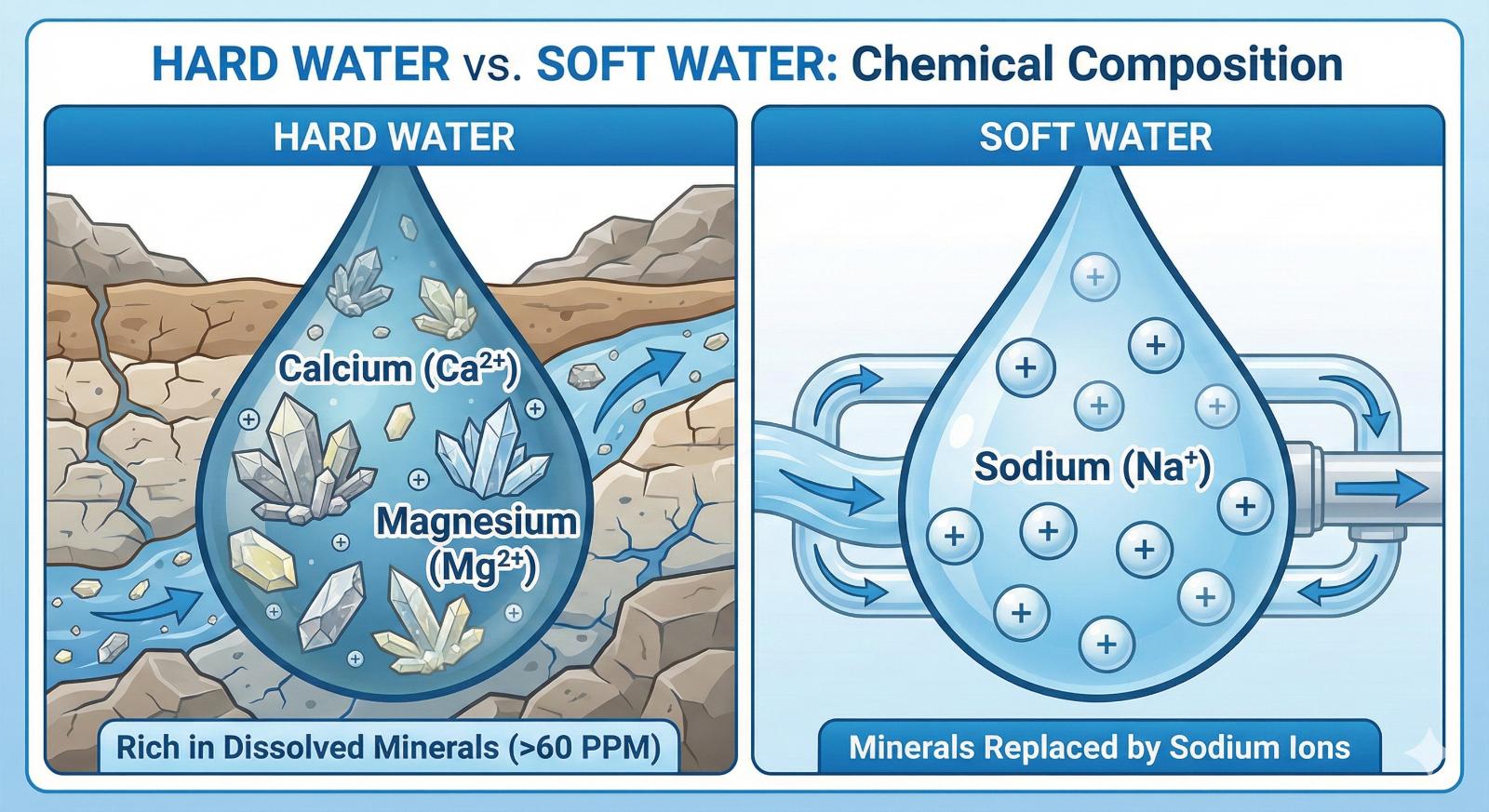
A few weeks ago, I was hiking with a friend, and we stopped at a crystal-clear stream. He scooped up a handful of water and said, “Look at that pure mineral water.” I almost choked on my trail mix. Mineral water? I thought. That’s not a mineral—it’s a liquid in a fancy bottle. But his mistake sparked a question: why isn’t water actually classed as a mineral?
The Earth’s Recipe for a Mineral
Geologists have a pretty strict recipe for what counts as a mineral. A mineral must be naturally occurring, solid, inorganic, have a definite chemical composition, and an ordered internal structure. Check your fridge, and you’ll see that ice cubes—solid water—actually tick most of those boxes. Wait, what? Yes, solid water, or ice, is officially recognized as a mineral by the International Mineralogical Association. But liquid water? Not even close.
The deal-breaker here is the solid state requirement. A mineral must be a solid at standard temperature and pressure on Earth. Water, in its liquid form, flows, splashes, and evaporates—it has no fixed shape. So, while ice gets a fancy mineral ID card, liquid water is basically the rock world’s party crasher.
Must Read
But Wait—What About ‘Mineral Water’?
You’ve probably seen bottles labeled “mineral water” at the store, and your brain says, “It contains minerals, so it must be a mineral, right?” Wrong. The term “mineral water” refers to water that contains dissolved minerals—like calcium, magnesium, or potassium—from underground sources. Think of it as water that carries minerals, not as a mineral itself. It’s like saying a person who eats vegetables is a vegetable—silly, right?
So when my friend called that stream water “mineral water,” he wasn’t totally off base for the marketing term, but geologically, he was mixing apples and oranges. Liquid water is an inorganic substance, sure, but it fails the solidity test every single time.
What About the ‘Ordered Internal Structure’?
Another key feature of a mineral is its crystal structure—atoms arranged in a repeating, orderly pattern. Ice does this beautifully: water molecules lock into a hexagonal lattice when frozen. But liquid water? Its molecules are chaotic, constantly breaking and reforming hydrogen bonds. It’s like a dance floor where everyone moves randomly, versus a perfectly choreographed ballet. No structure equals no mineral status.
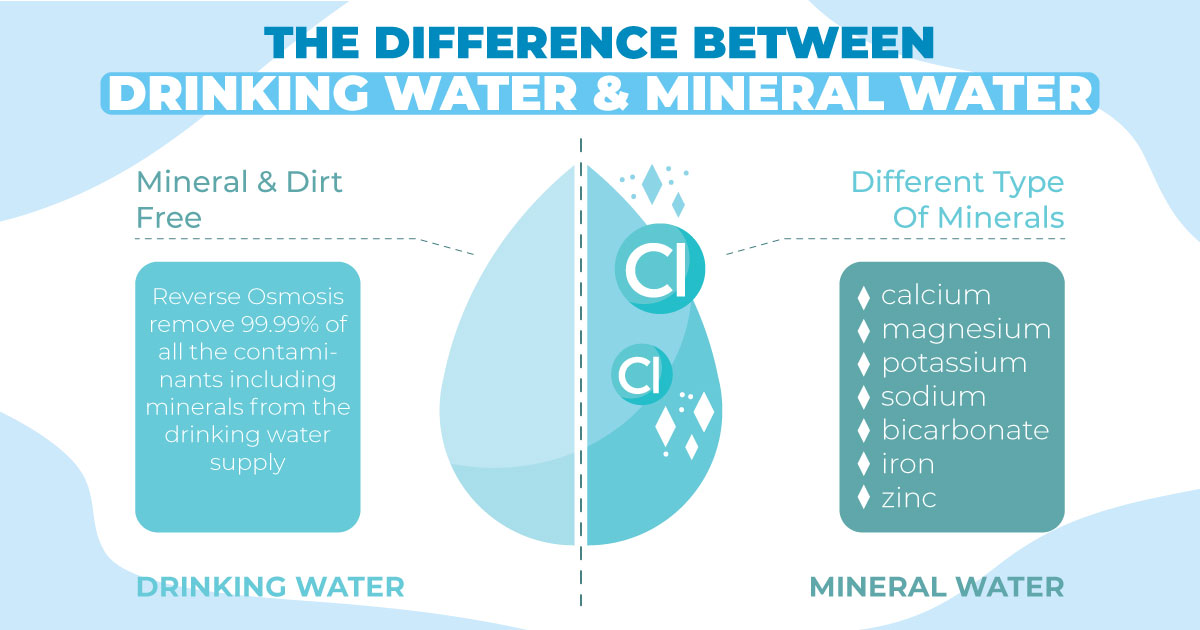 Difference between Mineral Water & Drinking Water
The same goes for water vapor—gaseous water is even more chaotic. So, unless you’re in a deep freezer or on Pluto, you’re not dealing with a mineral. (Side note: I’m now picturing Pluto’s ice as a proud, solid mineral—there’s a fun trivia fact for your next party.)
The Sneaky Exception: Ice
Here’s where it gets a bit ironic. If you wait for winter and scoop up a snowflake, congratulations—you’re holding a mineral. Ice is a mineral, plain and simple. It’s naturally occurring, solid, inorganic, has a definite composition (H₂O), and a hexagonal crystal structure. But melt that snowflake in your hand, and it instantly stops being a mineral. It’s now just water—a liquid that geologists affectionately call a “mineraloid.”
So, the next time someone boasts about their bottled “mineral water,” you can gently correct them: “Actually, that’s water that contains minerals. The real mineral in your life is the ice cube in your glass.” They might look at you funny, but you’ll know the truth.
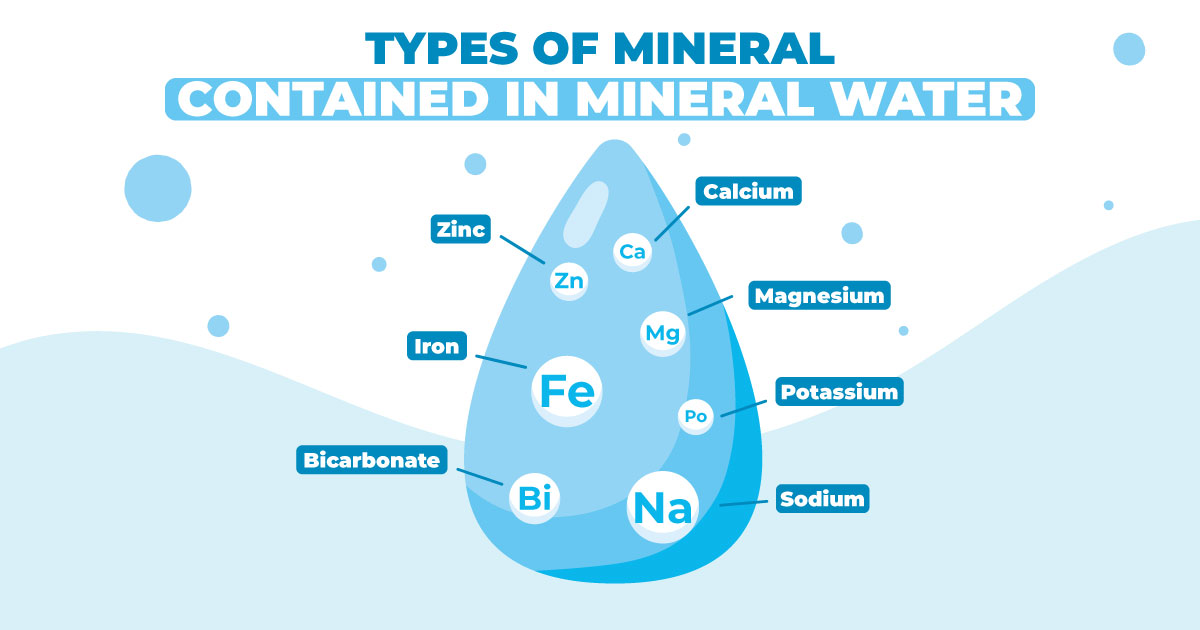 Difference between Mineral Water & Drinking Water
Why Does This Even Matter?
Honestly, it might not change your day-to-day life, but it’s a great example of how human language and scientific classification don’t always align. We call things “mineral water” for convenience, but science draws a hard line based on state, structure, and composition. It also reminds us that Earth’s most common substance—water—is a chameleon: sometimes a mineral, sometimes a liquid, sometimes a gas, but never all three at once.
And here’s a weird thought: the water you’re drinking right now might have been ice in a glacier 10,000 years ago—meaning it once was a mineral. That’s a deep time trip right there. (Don’t overthink it, just hydrate.)
Final Splash of Wisdom
So, water isn’t a mineral because it fails the solidity test and lacks that sweet, sweet crystal structure. But don’t let that fool you: water is still the unsung hero of geology, shaping mountains and carving canyons without ever joining the mineral club. Ice gets the diploma; water gets the parking lot. Next time you’re at a dinner party and someone calls water a mineral, you can now gently, ironically, and with a smile, set them straight. Or just nod and pour yourself a glass—it’s okay to let them believe. We know the real story.
