Why Is My Tap Water Cloudy

You pour a glass of water, ready to hydrate after a long day, and gasp — it looks like milk. Before you call a plumber in a panic, take a breath. That cloudy tap water is almo...
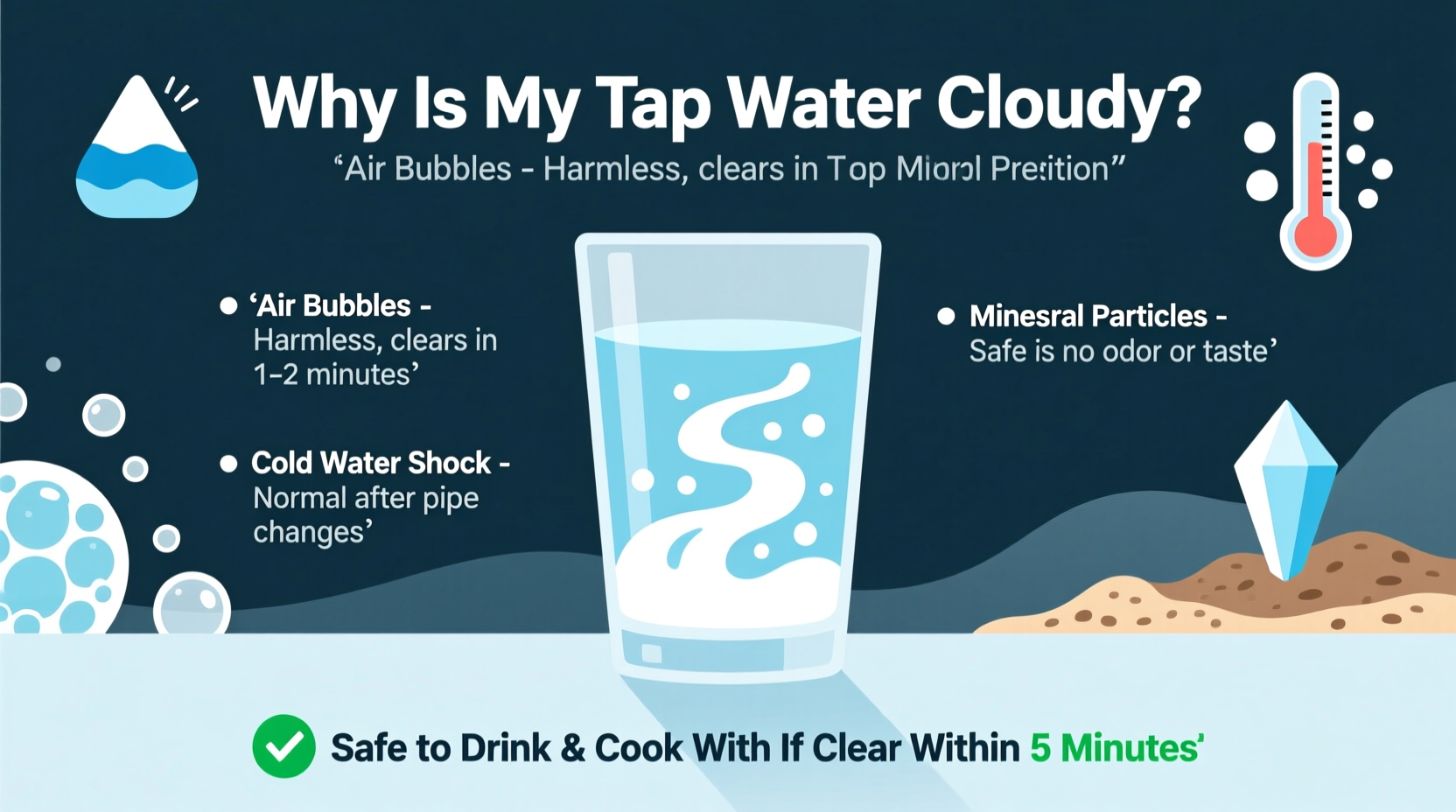
You pour a glass of water, ready to hydrate after a long day, and gasp — it looks like milk. Before you call a plumber in a panic, take a breath. That cloudy tap water is almost always harmless, and the science behind it is actually a little bit magic.
The Great Milky Mystery
That cloudy or milky appearance is usually caused by tiny air bubbles trapped in the water. When your water is under pressure in the pipes, air dissolves into it, kind of like carbonation in soda.
Once you turn on the tap, the pressure drops, and the air escapes in the form of thousands of microscopic bubbles. These bubbles scatter light, making the water look white or milky. It’s a perfectly natural optical illusion.
Must Read
Think of it as water’s way of whispering, “I’m fresh from the main!” In fact, cloudy water is often a sign that your municipal system is working correctly under pressure.
How to Test the Bubbles (The Party Trick)
Here’s a fun experiment you can do right now: fill a clear glass with cloudy tap water and set it on the counter. If the cloudiness clears from the bottom up within a minute or two, it’s definitely just air.
If it stays cloudy for longer, you might have a different issue — but that’s rare. For the air-bubble variety, you can even speed up the process by stirring the water with a spoon. Poof — clear as crystal.
Pop culture fans will love this: the same principle is why fish tank water sometimes looks cloudy after you change the filter. It’s just air integration, not an alien invasion.
When It’s Not Just Bubbles
Okay, so when should you actually worry? If your water is persistently cloudy and doesn’t clear, or has a strange smell like bleach or rotten eggs, it could be sediment or high mineral content. Hard water with extra calcium or magnesium can also create a hazy look.
Another culprit is cold weather. Freezing temperatures can cause pipes to contract and trap more air, leading to extra-cloudy water in winter. It’s your tap’s version of shivering.
 Why Is My Tap Water Cloudy or Milky?
If you ever suspect lead or bacteria, a home test kit from your local hardware store costs less than a fancy latte. Knowledge is power — and hydration safety.
Fun Fact: The Cloudiest Cities
Did you know that cities with very high water pressure, like New York and Chicago, report more cloudy tap water complaints? It’s so common that some water companies have official “milky water” hotlines. You’re not alone in this fizzy mystery.
In Japan, cloudy water from air bubbles is called shiroi mizu (white water), and it’s considered a sign of a modern, well-pressurized system. So really, it’s a flex.
Practical Tips for Crystal Clarity
If the look bothers you, let the water sit in an open pitcher for five minutes before drinking. The bubbles will escape, and you’ll have perfectly clear H2O. Add a lemon slice for extra style points.
You can also run the tap for a few seconds before filling a glass, especially if you haven’t used the faucet in a while. This flushes out any stagnant air pockets in your home’s pipes. Easy peasy.
For the truly fancy, invest in a simple faucet aerator. It not only reduces bubbles but also saves water — and makes your kitchen feel like a spa.
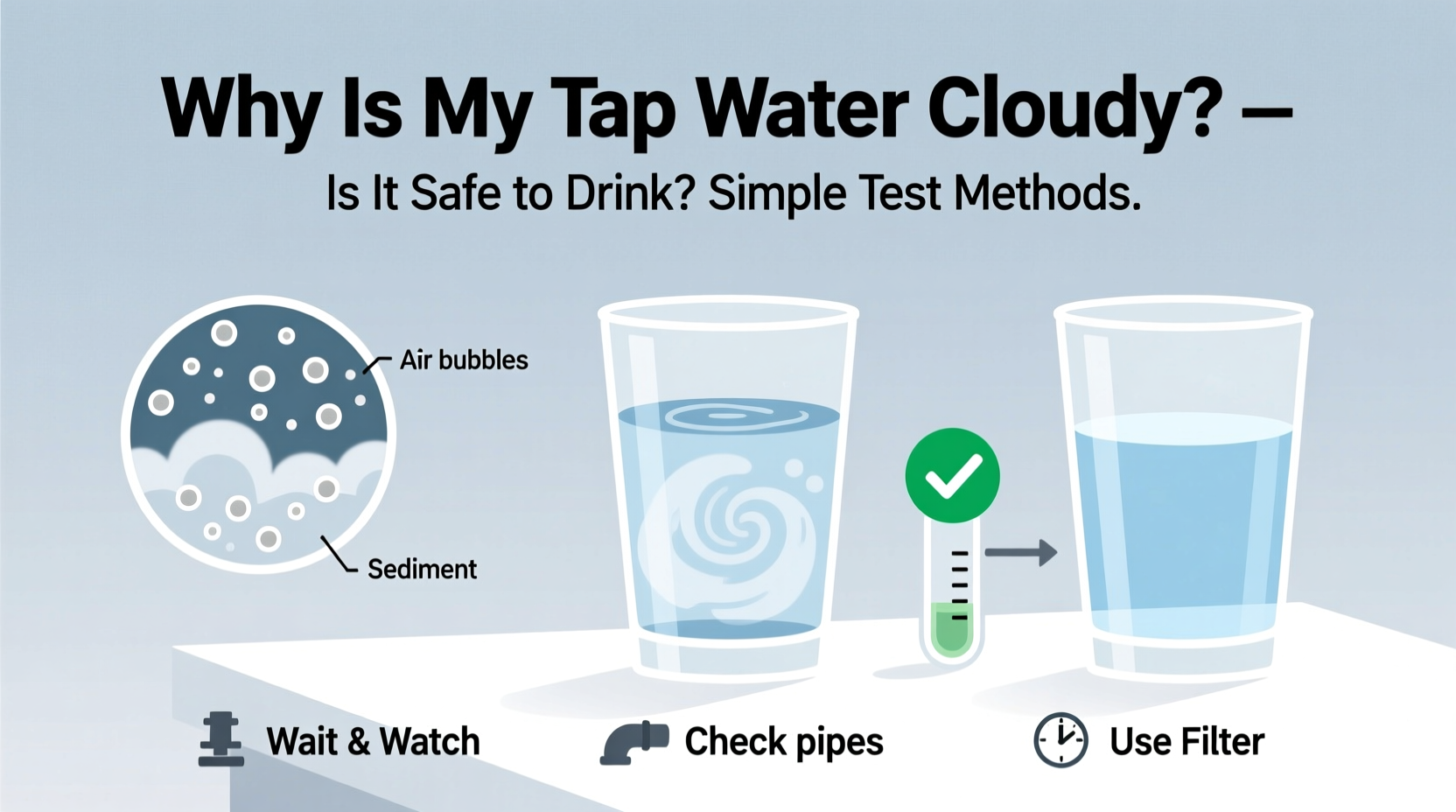 Why Is My Tap Water Cloudy And Is It Safe To Drink Simple Test Methods
Cultural Lens: Cloudy Water in Cocktails
Bartenders actually exploit this phenomenon. When you shake a cocktail with ice, tiny air bubbles get trapped, creating that cloudy, frothy texture in a whiskey sour. So your tap water is basically prepping for happy hour.
Next time someone says your water looks weird, just tell them it’s “artisanal, pressurized, and ethically sourced.” They’ll nod in awe.
The Bottom Line
Cloudy tap water is rarely a health hazard and almost always a simple case of entrapped air. Your plumbing is doing its job, and the molecules are just having a tiny dance party.
Remember: if it clears up in a few minutes, you’re good. If it stays milky, smells funky, or tastes metallic, then it’s time to test or call a pro. But for 99% of us, that glass is safe and refreshing.
Final Reflection
There’s something oddly grounding about learning that a cloudy glass of water is just nature’s way of showing off. It reminds us that even the most ordinary things — like a drink from the tap — are tiny miracles of physics and pressure.
So go ahead, pour yourself a glass. Watch the bubbles rise and disappear. Take a sip. You’ve just solved a mini mystery of everyday life, and that’s a pretty satisfying way to start your hydration.
Cheers to clear water, clear minds, and the quiet joy of knowing why.
