What Does A Higher Ph Mean

You’ve probably heard someone toss around the term “pH” and nodded along, pretending you knew exactly what they meant. Let’s be real: for most of us, pH is that thing from hig...
You’ve probably heard someone toss around the term “pH” and nodded along, pretending you knew exactly what they meant. Let’s be real: for most of us, pH is that thing from high school chemistry that made our eyes glaze over. But here’s the kicker—pH is actually the boss of your everyday life, from your morning coffee to your swimming pool.
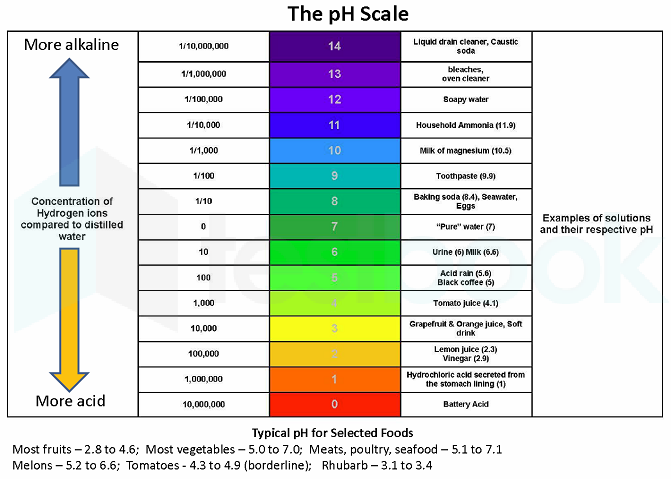
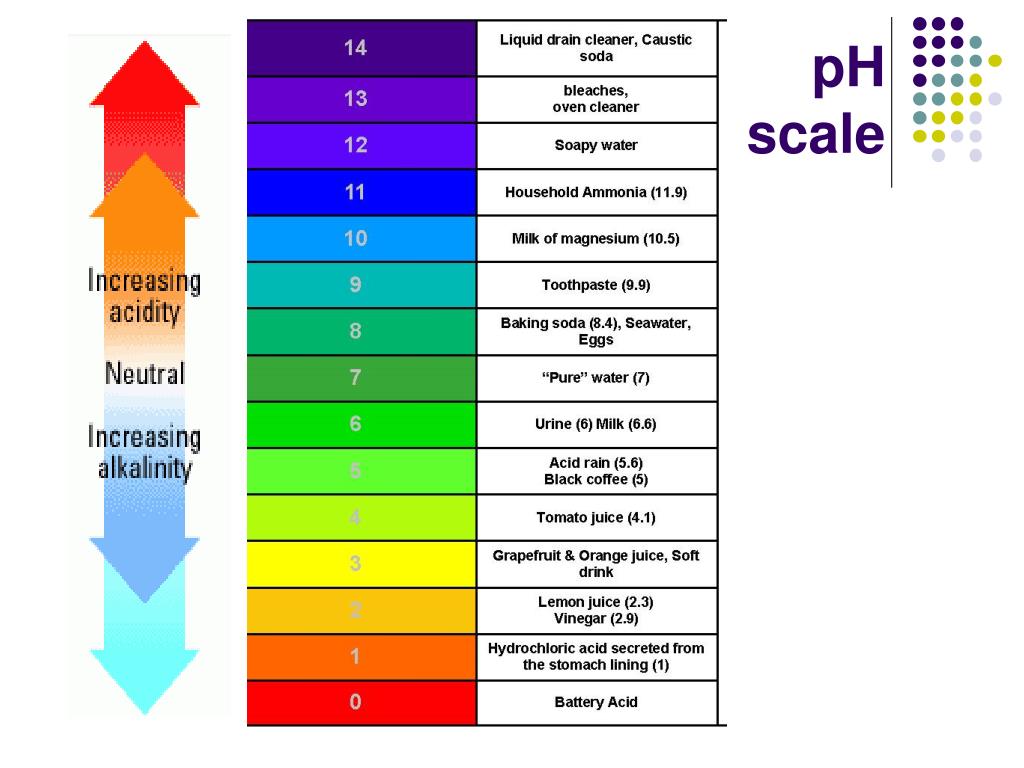
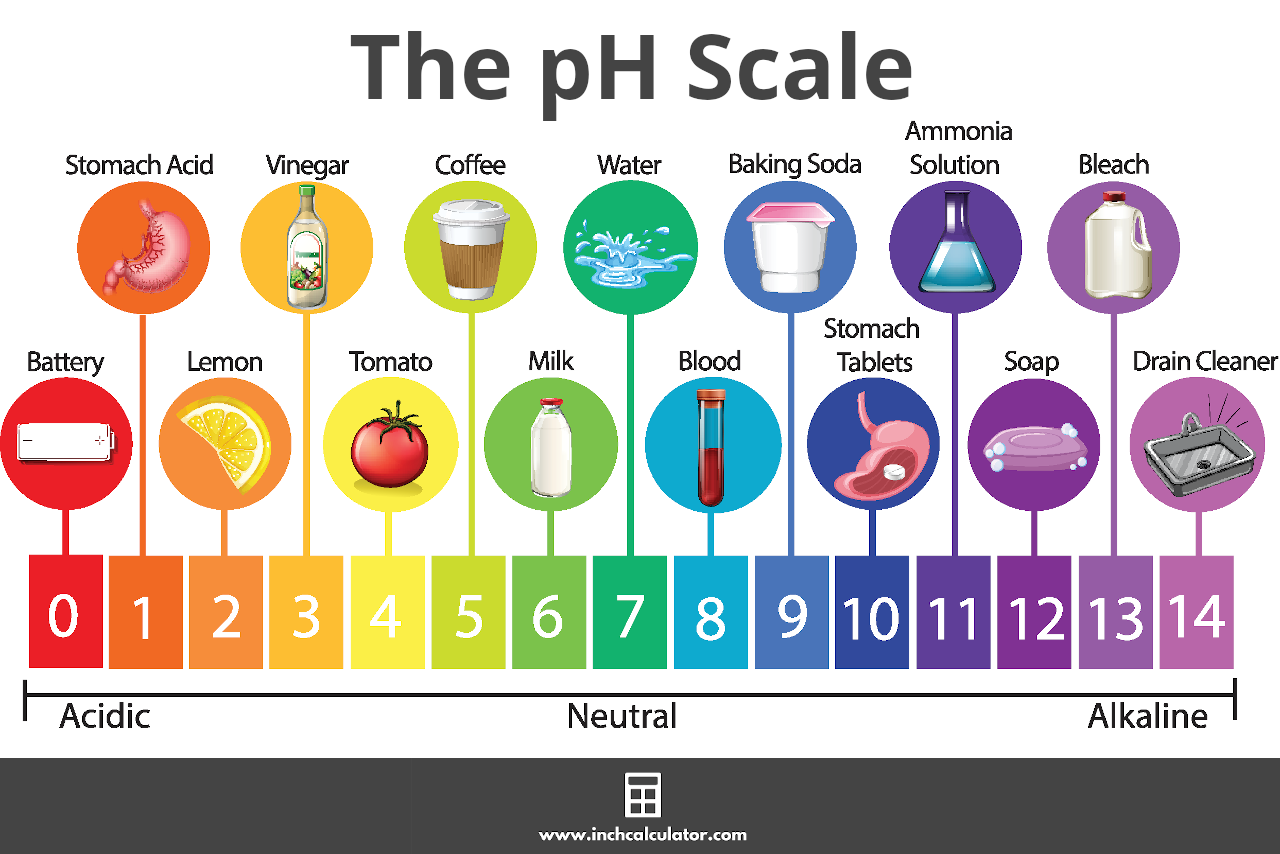
Think of pH as a sassiness scale for liquids. It runs from 0 (super bitter and angry) to 14 (super chill and slippery). The middle, at 7, is neutral—like water, which just doesn’t care about anything. A higher pH means you’re sliding towards the chill, slippery end of the scale, above 7. It’s the Lemony Snicket of numbers: when it gets high, things get alkaline, or “basic” in chemistry-speak.
Your Pool’s Cry for Help
Ever jump into a pool and feel like your eyes were staging a protest? That’s probably low pH burning them. A higher pH—say, between 7.4 and 7.6—is the sweet spot where the water feels like a silky hug. Too high, though, and the water turns into a science experiment: cloudy, scaling your shower head, and making your swimsuit smell like a wet dog that ate baking soda. Your pool is basically a diva that throws a tantrum if the pH strays.
Your Stomach’s Acidic Drama
Your stomach runs on a pH of about 1.5 to 3.5—that’s harsh, like a bouncer at a club for battery acid. When you pop an antacid (which has a high pH), you’re basically sending in a peace negotiator to calm things down. A higher pH in your stomach means less burning, but go too far and you might feel bloated, like you’ve swallowed a balloon full of chalk. It’s all about balance, because your gut is a lot like your ex: you don’t want it too acidic or too basic.
Soap That’s Too Nice
Remember that hand soap that left your skin feeling like sandpaper? That’s low pH, stripping your natural oils. A higher pH soap, like the one grandma used, feels smooth and creamy. But beware: a pH of 10 or higher can turn your hands into prunes that squeak when you rub them together. It’s like shaking hands with a fish—unpleasantly squeaky.
The Laundry Lie
You know those “natural” laundry detergents that promise to be gentle? Sometimes they have a higher pH, which means they’re great at breaking down grease but terrible for your colored socks. Your favorite red shirt might start to look like a faded sunset after a few washes. The cap of the bottle even warns you: “Keep away from eyes.” That’s code for “Don’t let this basic beast near your face.”
Is Your Coffee a Jerk?
That morning cup of joe has a pH around 5—pretty acidic, which is why it’s bitter. If you add a dash of milk (pH 6.7), you’re raising the pH and making it less harsh. But if you swirl in baking soda (a high-pH champ), your coffee turns into a fuzzy, metallic mess. It’s like seasoning a steak with sugar—technically possible, but why would you? A higher pH in your drink usually makes it taste flatter, like the ambition of a Monday morning.
Your Laundry’s Dark Secret
Ever notice how your white socks come out of the wash looking slightly gray? That’s often because your detergent is too high in pH. Alkaline water can make whites whiter (yay!), but it can also make colors bleed like a bad watercolor painting. It’s the same reason you don’t use dish soap for your hair—trust me, I’ve tried it, and my mane looked like a distressed hedgehog.
Plants: The Ultimate Drama Queens
Houseplants are like teenagers: they complain about everything. Most plants love a pH between 6 and 7.5—that’s slightly acidic to neutral. If you water them with water that’s too high in pH (like from a hose that has mineral buildup), they’ll turn yellow and sulk. It’s like feeding a vegan a steak; they just can’t absorb the nutrients. One time I gave my fern tap water with high pH, and it drooped like I’d told it a sad joke. I had to apologize with distilled water for a week.
So, what does a higher pH mean? In the wild world of your tap, your tub, and your tummy, it means you’re moving into the gentle-but-slippery zone. It’s the difference between a lemon-sucking contest and a glass of milk. Next time you’re at the pool or eyeing that antacid bottle, you can chuckle knowing you’re the boss of this basic business. Just don’t pour baking soda into your coffee—please.