Does Gatorade Give You Gas

Let’s get one thing straight: nobody wants to be the person who farts during a workout. But here you are, chugging a neon-colored Gatorade, praying your stomach stays silent....
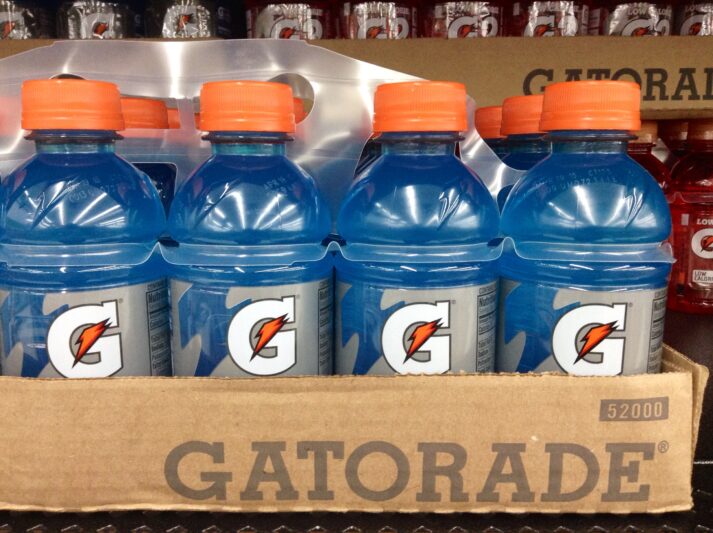
Let’s get one thing straight: nobody wants to be the person who farts during a workout. But here you are, chugging a neon-colored Gatorade, praying your stomach stays silent. Is that sports drink the culprit? Short answer: maybe. Long answer? It’s a hilarious, gassy science lesson.
The Sugar Showdown
Gatorade is packed with sugar. Specifically, a mix of sucrose and glucose. Your gut loves sugar, but it loves breaking it down fast. When you drink a huge bottle, your small intestine gets overwhelmed. Undigested sugar then travels to your colon.
Guess what lives there? Trillions of bacteria. They throw a feast. They break down that sugar by fermenting it. And fermentation produces gas—lots of it. You’re basically running a tiny brewery in your gut.
Must Read
The Fructose Factor
Many Gatorade flavors use high-fructose corn syrup. Fructose is tricky. Your body needs a special transporter to absorb it. Some people have a lazy transporter. Fructose then becomes bacteria buffet number two.
Even if you’re not lactose intolerant, you can be fructose intolerant. It’s common. Downing a cold Gatorade on an empty stomach? You’re rolling out the red carpet for bloating. Your belly becomes a noisy, gurgling balloon.
The Electrolyte Equation
Gatorade also has sodium and potassium. Electrolytes are great for hydration. But they can also pull water into your intestines. More water plus gas equals a very special kind of pressure.
That pressure needs to escape. It’s not just air. It’s a party of fermentation, water, and minerals. You might feel a sudden, urgent need to relax. The bathroom becomes your new best friend.
The Flavor Trap
Ever notice how fruit punch and glacier freeze taste almost synthetic? That’s because they are. Artificial flavors and colors can irritate sensitive guts. Your digestive system says, “Whoa, what is this?” and reacts with gas.
Some people are fine with plain water. But a huge gulp of Cool Blue sends their system into chaos. The dye itself might not cause gas, but the overall chemical cocktail does. It’s like a weird, bubbly surrender in your stomach.
The Chugging Problem
Let’s be real. You don’t sip Gatorade. You chug it. Especially after a sweaty run. Chugging makes you swallow air. That’s called aerophagia. It’s a fancy word for “you’re drinking like a thirsty toddler.”
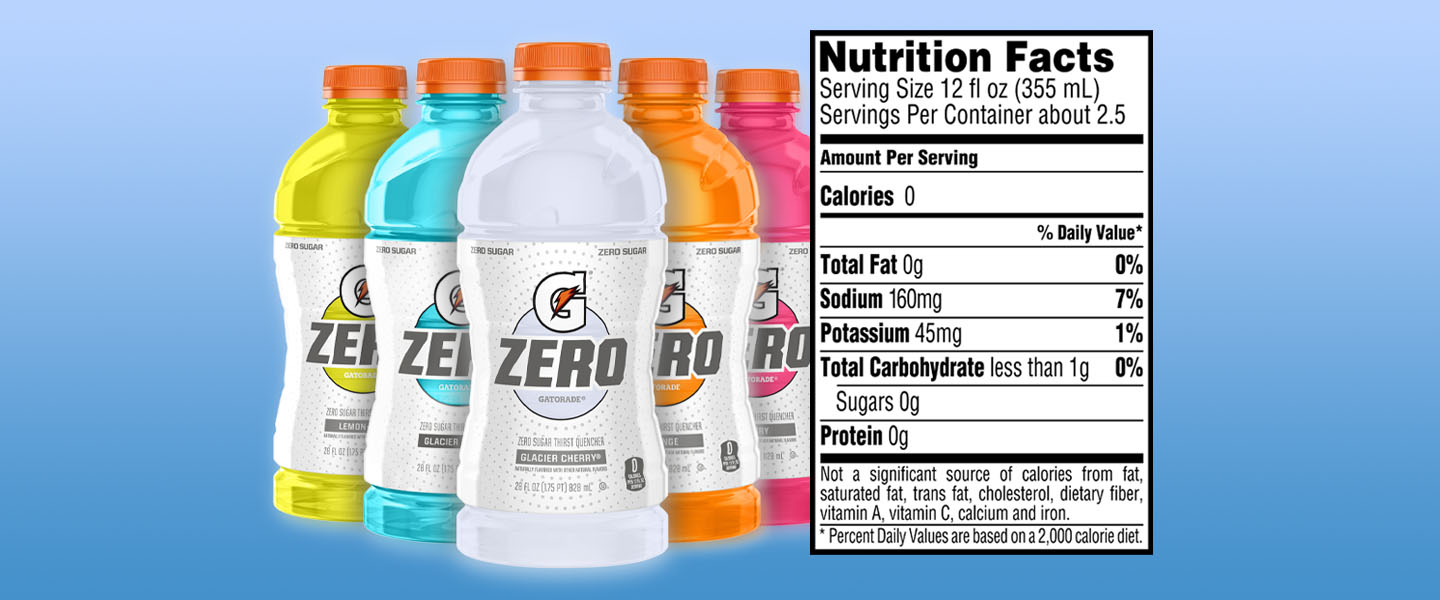 42 gatorade nutrition facts label
That swallowed air has to go somewhere. It either burps out or travels down. Combined with fermentation gas, you’ve got a double whammy. Your workout playlist now includes a beat from your own backside.
The Athletic Irony
Here’s the funny part: Gatorade is designed to help athletes. But if you’re doing yoga, a surprise gurgle can ruin your downward dog. Or if you’re lifting weights, a loud pop can break your focus. Your gym crush might hear it.
Studies show that sports drinks cause more gastrointestinal distress than water. Runners call it “the runner’s trots.” Cyclists have their own secret horror stories. Gatorade doesn’t discriminate. It gasses the pro and the amateur alike.
A Bubbly History
Gatorade was invented in 1965 for the Florida Gators football team. They needed to replace electrolytes. They succeeded. But they also created a legacy of post-game hot air. Legend has it, players complained about “sugar burps” from day one.
Those early recipes were even sweeter. They had more sugar than soda. Coaches joked the team was “more gassy than fast.” The brand improved, but the core chemistry remains. Simple sugars plus bacteria equals rumble in the jungle.
Who Gets the Gas?
Not everyone toots after Gatorade. People with IBS or sensitive stomachs are more prone. But even healthy people can get hit. It depends on your gut microbiome. Some bacteria are louder than others.
If you drink a 32-ounce bottle in one go, you’re asking for trouble. That’s a lot of sugar and fluid for your system to handle. Your body sends a signal: “Help! Too much!” The signal smells like a rotten egg.
 Reasons Why Gatorade Is Bad
The Temperature Trick
Cold Gatorade can slow digestion. Your stomach has to warm it up first. That extra time lets bacteria party longer. Meanwhile, your stomach muscles contract weirdly. You get a crampy, gassy feeling.
Warm Gatorade, though? That’s just gross. Nobody drinks that. But at room temperature, it absorbs faster. Less gas, more hydration. The trade-off is drinking something that looks like radioactive pee.
The Funny Fixes
Want to avoid the blowout? Dilute your Gatorade. Mix half water, half Gatorade. Your gut processes less sugar. You still get electrolytes. And you avoid sounding like a bassoon during burpees.
Another trick: sip slowly. Pretend you’re at a fancy wine tasting. Swish it around. Dramatically. Your intestines will thank you. Plus, you’ll look sophisticated while chugging neon blue juice.
Try Gatorade Zero. It uses artificial sweeteners. Some people get gas from those too. But it’s usually less offensive. It’s a gamble. Your gut is a wild card. Test it on a day you don’t have a big meeting.
The Final Fart-tastic Truth
So, does Gatorade give you gas? Yes, it can. No, it’s not a conspiracy. It’s just science. Sugar + bacteria + chugging = music from your back end. You are not alone. Millions of athletes have tooted in gym shorts.
Don’t swear off the sports drink forever. Just be smart. Listen to your gut—literally. If it starts rumbling, blame the fructose, not yourself. Laugh it off. Because at the end of the day, a little gas is just proof you’re alive. And hydrated. And bubbly.
