How Does Soil Filter Water

Ever wonder what happens to that puddle after a rainstorm? It doesn't just disappear. Most of it goes underground, taking a wild journey through the dirt. And here’s the cool...
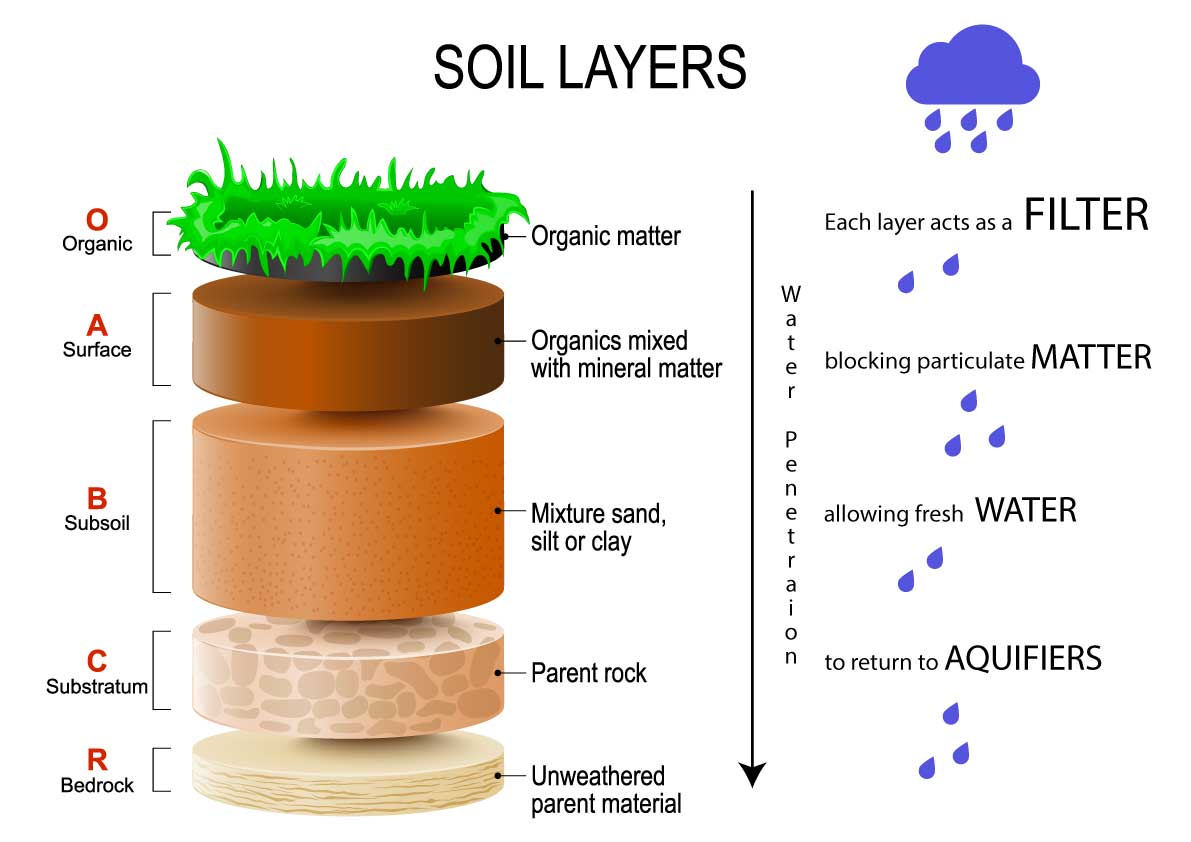
Ever wonder what happens to that puddle after a rainstorm? It doesn't just disappear. Most of it goes underground, taking a wild journey through the dirt.
And here’s the cool part: that dirt is basically a giant, natural water filter. It’s doing the same job as that fancy countertop filter, but on a massive, free scale. Pretty awesome, right?
What’s Actually in the Dirt?
Soil isn't just "brown stuff." It’s a complex mix of sand, silt, clay, and rotting plant matter called organic matter. Think of it like a layer cake with different textures and superpowers.
Must Read
Each particle has a job to do. Some are tiny walls, others are sticky traps, and a few are even chemical magnets.
The Big Guys: Sand
Sand particles are the bouncers of the soil world. They are big and chunky, creating wide spaces between them.
This means water shoots right through. Sand can’t hold onto much, but it starts the process by letting the water flow, not just sit there.
The Tiny Glue: Silt and Clay
Silt and clay are microscopic. They’re so small that they create a ton of surface area inside the soil. Imagine a sponge made of a million tiny sticky fingers.
This is where the magic happens. As water squeezes through these teeny spaces, impurities get snagged like lint on Velcro.
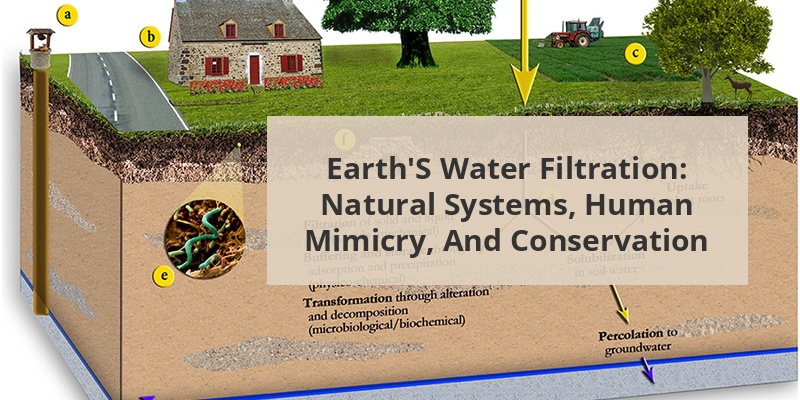 Earth's Water Filtration: Natural Systems, Human Mimicry, and
How the Filtering Actually Works
Water doesn’t just fall down a hole. It has to weave through this crazy maze of particles. And that’s exactly what cleans it.
First, physical straining happens. Big stuff like dirt clumps, leaf bits, and even tiny bugs get trapped in the pores between sand and clay. It’s like passing soup through a strainer.
Then comes the chemical part. Clay and organic matter have negative charges. Many pollutants, like heavy metals and pesticides, have positive charges. The soil grabs them like a magnet grabs paperclips.
Finally, the microbes get to work. Billions of bacteria and fungi live in one teaspoon of healthy soil. These tiny creatures actually eat the harmful stuff, like oil and bacteria. They break it down into harmless elements.
Why Is This So Cool?
Think about it: every time you drink a glass of tap water, that water has probably been filtered by soil. It traveled through feet of dirt for years before it reached the well or reservoir.
 Bluestem Gardening
That’s why water from springs tastes so crisp. It isn't magic; it’s thousands of layers of clay, sand, and hungry microbes doing a deep cleanse.
It’s also why we need to protect our dirt. If we pave over a field or drench it with harsh chemicals, we destroy that natural filter. Then we have to spend billions building water treatment plants to do the soil's job.
The Next Time It Rains
Next time you see a muddy puddle, don't just step over it. Picture the invisible factory beneath your feet.
Millions of tiny particles and bacteria are working together to turn that dirty runoff into crystal-clear groundwater. It’s like the Earth has its own built-in Brita pitcher, and it never runs out of batteries.
Pretty chill, huh? The ground under your sneakers isn’t just dirt—it’s the planet’s best water system, and it’s been doing its job for billions of years.
