How Much Is Water Softener

Let’s be honest—water softeners aren’t exactly dinner-party conversation starters. But if you’ve ever tried lathering up with soap that feels like it’s fighting you, you’ve me...
Let’s be honest—water softeners aren’t exactly dinner-party conversation starters. But if you’ve ever tried lathering up with soap that feels like it’s fighting you, you’ve met hard water. That’s the culprit behind the chalky white residue on your dishes and the dull film on your hair.
So, how much is a water softener? It’s like asking how much a good pair of jeans costs. You can grab a bargain pair for fifty bucks, but they might rip after two washes. Or you can invest in something sturdy that lasts years.
The Real Talk: What’s the Price Tag?
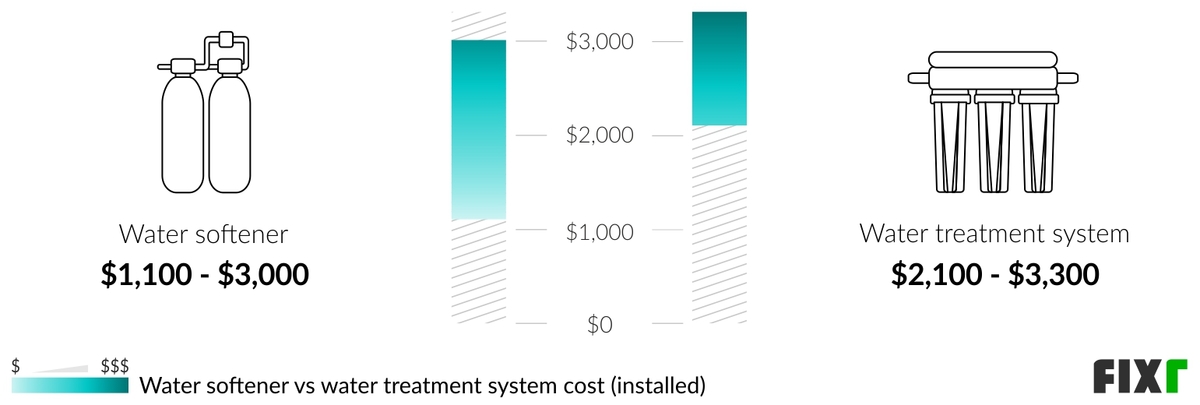
For a solid, whole-house system, expect to pay anywhere from $400 to $2,500 for the unit itself. That’s before installation, which can add another $150 to $600, depending on how handy your plumber is.
Must Read
Think of it like buying a car. A basic sedan gets you from A to B, but a mid-range SUV offers more comfort and fewer headaches. The average homeowner lands somewhere around $1,200 to $1,500 for a decent system installed.
Then there are the fancy ones—the salt-free or magnetic kinds. Salt-based systems are the old reliable workhorses. Salt-free ones can cost more upfront, around $800 to $3,000, but they’re easier to maintain if you hate lugging bags of salt.
Why Should You Even Care?
Remember that weird, squeaky feeling on your skin after a shower? That’s not clean—that’s hard water minerals sticking to you like clingy friends at a party. A softener makes your skin feel silky smooth and your hair stop acting like a haystack.
Think of your appliances. Your water heater, washing machine, and dishwasher work harder when they’re coated in mineral scale. It’s like asking them to run a marathon with a backpack full of rocks. Scale buildup can cut an appliance’s life in half.
And let’s talk about soap. Hard water fights your soap, so you use more of it. A softener lets your soap do its job with less. You’ll save money on laundry detergent, dish soap, and shampoo over time.
The Little Stories That Make You Smile
My neighbor Karen once spent a weekend scrubbing her shower glass with vinegar and elbow grease. She was furious. Then she got a softener, and now she checks for spots that never come. She calls it her “happiness machine.”
![How Much Does a Water Softener Cost? [2024 Price Guide]](https://eliteplumbing.net/wp-content/uploads/2023/06/How-Much-Does-a-water-softener-cost-.jpg) How Much Does a Water Softener Cost? [2024 Price Guide]
How Much Does a Water Softener Cost? [2024 Price Guide]
Another friend, Tom, bought a cheap portable softener for his RV. It broke after three trips. He finally invested in a real system for his house, and now his coffee tastes like it’s from a fancy café, not a mineral bath.
You know that satisfying feeling when you pull a glass out of the dishwasher and it’s spotless, not cloudy? That’s a softener’s daily gift. It’s like having a tiny, invisible helper who hates water spots.
DIY vs. Pro: What’s Your Vibe?
If you’re handy, you can buy a system online for around $500 to $900 and install it yourself. Just be ready to crawl under your sink and wrestle with copper pipes. It’s doable, but not a Netflix-and-chill kind of afternoon.
Hiring a pro costs more, but they handle the mess, the warranty, and the “oops, I forgot to shut off the main water” panic. Most companies offer free quotes, so get three before you decide.
Don’t forget the ongoing costs. Salt refills run about $5 to $15 a bag, and you’ll use one to three bags a month. That’s less than a lunch out, and it keeps your system humming.
Hidden Costs You Might Miss
Some folks forget about maintenance. Like a car, your softener needs a little love. A resin cleaner every six months costs about $20. Skip it, and you’ll wonder why your water feels hard again.
Also, if you’re on a well, you might need a pre-filter. Iron or sediment can gum up a softener fast. That’s an extra $100 to $200, but it saves you from a costly repair later.
 Can You Drink Softened Water? Facts, Myths & Health Insights!
The Bottom Line: Is It Worth It?
Imagine never scrubbing white scale off your faucets again. Imagine your laundry feeling fluffy instead of stiff. Imagine your skin not itching after a shower. That’s what you’re buying.
For most families, a water softener pays for itself in three to four years. You use less soap, your appliances last longer, and you don’t have to re-wash dishes twice. It’s a slow-motion money saver.
If your water hardness is above 7 grains per gallon, you’ll feel the difference. You can test it with a cheap kit from the hardware store. Or, just look at your showerhead—if it’s crusty, you know.
So, What Should You Do Now?
Don’t overthink it. Start by checking your water hardness online or with a free test from a local water company. Then, set a budget. $500 to $1,000 gets you a reliable entry-level system. $1,500 and up gets you fancy features like digital controls.
Think of it as a gift to your future self. Your future self will high-five you when you take a shower and feel like you’re in a spa. Your future self won’t have to scrub the coffee pot with vinegar every week.
And remember: even if you spend $2,000, that’s about 55 cents a day over ten years. That’s less than a can of soda. Would you pay 55 cents a day for softer skin, cleaner dishes, and happier appliances? Yeah, me too.
Go ahead, treat your pipes. They’ve been working hard for you.
