What Is A Hard Water Stain

Okay, let’s talk about hard water stains. You know those cloudy, white spots on your once-sparkling glass shower door? Or that weird, crusty ring around your faucet? That’s th...

Okay, let’s talk about hard water stains. You know those cloudy, white spots on your once-sparkling glass shower door? Or that weird, crusty ring around your faucet? That’s the culprit.
Honestly, before we get into the science, let’s just admit it: they’re annoying as heck. You scrub and scrub, but they just laugh at your sponge. Been there, right?
So, What Actually Is a Hard Water Stain?
Think of it like this. Your tap water isn’t just H2O. It’s a little traveling salesman carrying minerals like calcium and magnesium.
Must Read
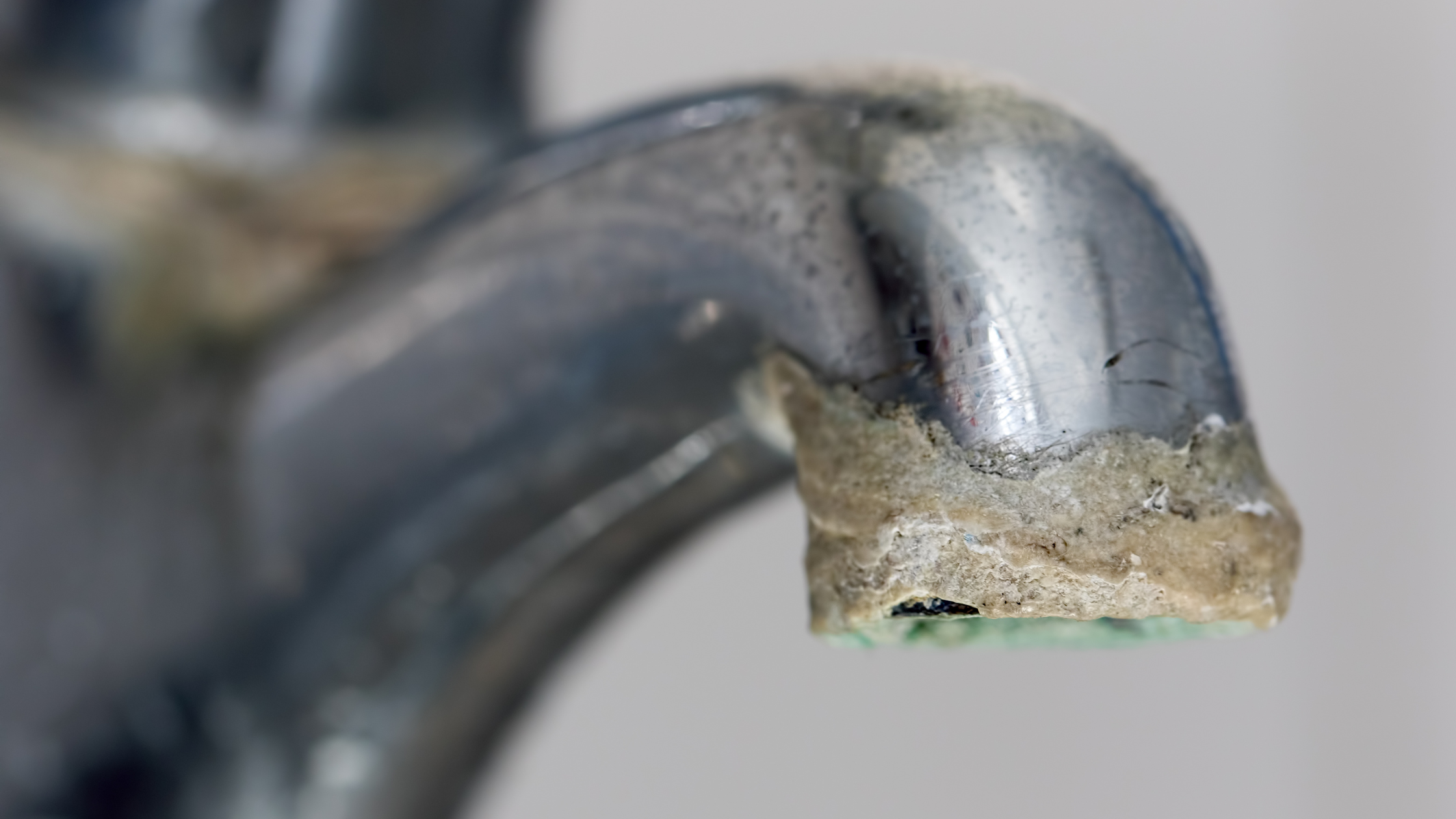
When that water lands on a surface and evapourates? It leaves those minerals behind. It’s just dried-up sediment, like sand after a wave.
But here’s the kicker: it’s not dirt. It’s basically rock dust that clung to your glass. How rude, right?
Why Are They Such a Pain to Remove?
Remember those science experiments with stalactites? Hard water stains are the same idea, just on a smaller, more infuriating scale.
That white residue is actually calcium carbonate. It’s the same stuff that makes up limestone and seashells. You’re literally trying to scrub seashells off your coffee pot.
No wonder your regular all-purpose cleaner waves the white flag. It’s not dirty—it’s mineralized.
The Visual Clues: How to Spot ‘Em
Look for a milky or hazy film on glass. If you run your finger over it, it feels rough, not slippery.
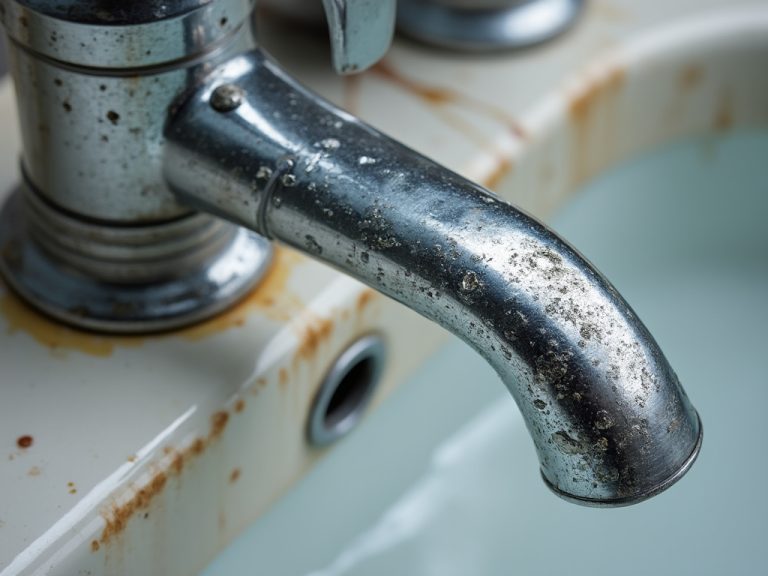
On stainless steel, they show up as whitish spots that almost look etched in. On your tile, it’s that crusty, powdery buildup.
And if you see a rainbow-ish sheen on shower doors? That’s just the light playing tricks on the mineral layer. Pretty, but still a pest.
Is It a Hard Water Stain or Just Soap Scum?
These two are best friends, but they aren’t the same. Soap scum is a mix of minerals plus soap residue and body oils. It’s greasy.
Hard water stains are purely mineral. They’re dry, chalky, and don’t budge with soap alone. Think of them as the skeleton left behind after the water ghost vanishes.
 How To Remove Hard Water Stain From Washable Fabrics | Tidy Diary
So, if your “clean” glass still looks cloudy? That’s the minerals doing their ghostly encore.
Why Does This Happen to Me?
It’s not your fault. It’s your local water supply being dramatic. If you live in an area with “hard water,” you’re basically a mineral magnet.
Fun fact: around 85% of US homes have hard water. You’re not alone in this spotty struggle. We’re all in this crusty boat together.
And yes, the hotter the water, the faster it evaporates. That’s why your shiny kettle looks like it’s growing snowflakes inside. You’re just boiling rock juice.
The Real Villain: Time and Temperature
Let’s be honest—the longer the water sits, the uglier the stain. A quick splash? Maybe okay. A slow drip overnight? Monumental stain.
Heat speeds up the evaporation process, leaving more rock behind faster. So your steamy shower is basically a mineral factory.
Each drop is a tiny delivery of calcium. Over a week, it’s like a concrete truck parked on your faucet.
How Do You Win the Battle?
First, don’t panic. No, you don’t need to buy a whole-house water softener (though it helps). You just need the right weapons.
Acid is the secret. Since the stain is a mineral (base), an acid neutralizes it. Vinegar is the classic hero here. Lemon juice works, too.
But please don’t use vinegar on natural stone like marble. That’s a chemistry party you don’t want to clean up.
A Quick Survival Guide
Mix equal parts white vinegar and water in a spray bottle. Spritz the stain, let it sit for a few minutes, then wipe.
 How to Remove Hard Water Stains from Anything — Pro Housekeepers
For stubborn, crusty rings around your faucet? Soak a paper towel in vinegar and wrap it around the base like a tiny mummy. Let it sit for 15 minutes.
Rinse well. If it’s still there? Repeat. You’re essentially dissolving rock with kitchen ingredients. Science is wild.
When Stains Fight Back
Sometimes, old stains get etched into the glass. That’s when the minerals actually bond with the silica in the glass. No amount of scrubbing helps.
Then you need a pumice stone or a specialized glass polish. Yes, you’re buffing out a rock with another rock. Bring it.
Or, you could just embrace the haze. Call it “artisanal frosted glass” and save your sanity. No judgment here.
Can You Prevent Them (Without Giving Up Showers)?
Yes, but it requires a tiny habit shift. Get a squeegee. Use it every time you shower. I know, it’s boring.
But imagine this: you wipe the water off before it dries, and the minerals never get a chance to anchor down. It’s like cutting off their escape route.
Or, install a shower filter that catches some of those minerals. It won’t fix everything, but it buys you a few more days of squeaky-clean glass.
One Last Thing
Hard water stains are not a sign you’re a bad cleaner. They’re a sign your local groundwater is a little overachieving.
So next time you see that white crust, just roll your eyes. Grab some vinegar. Give it a pep talk. You’ve got this.
And remember: you’re not fighting dirt. You’re fighting geology. How cool (and annoying) is that?
