What Is The Taste Of Water

Let’s be honest: water is the ultimate supporting actor. It’s always there, but we rarely give it a second thought. We gulp it down, ice-cold, when we’re thirsty, but we never...
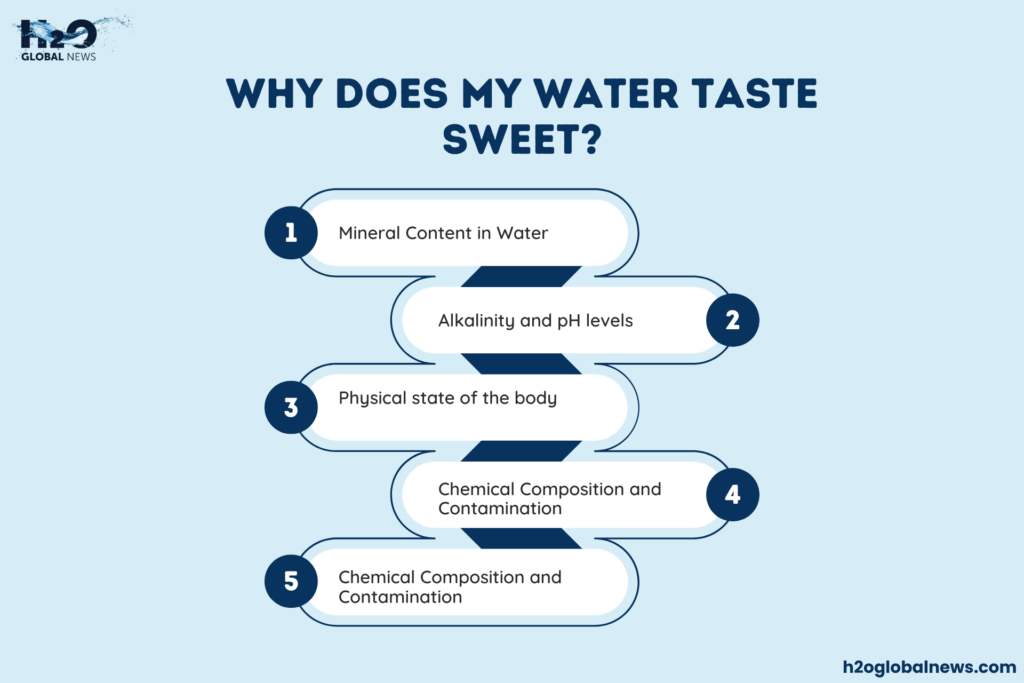
Let’s be honest: water is the ultimate supporting actor. It’s always there, but we rarely give it a second thought. We gulp it down, ice-cold, when we’re thirsty, but we never stop to actually taste it.
But here’s the wild truth: water has a taste. It’s not just “nothing.” It’s a subtle, complex flavor profile that can change depending on where it came from, what it touched, and even what mood you’re in. Ready to become a water connoisseur? Let’s dive in.
The Science of Nothing (Which Is Actually Something)
Your tongue is a master detective. It doesn't just detect sweet, sour, salty, bitter, and umami—it also senses minerals. That’s the secret sauce of water’s taste.
Must Read
When you sip from a mountain spring, you’re tasting calcium, magnesium, and potassium. These dissolved minerals give water a “mouthfeel”—a light, silky, or even creamy sensation. Tap water collected from a river might taste "earthy" or "mineral-forward," while distilled water tastes almost sharp and thin because it’s naked—stripped of all those goodies.
The Temperature Trick: Hot vs. Cold
Have you ever noticed that ice-cold water tastes “cleaner”? That’s because our taste buds are less sensitive at low temperatures. Cold mutes the subtle flavors, so all you get is the crisp, refreshing blankness. That’s why we love it on a hot day.
But room-temperature water? That’s where the real show happens. Let it sit for a minute, and suddenly you can detect notes of metal from the pipe, or a hint of plastic from the bottle. A lukewarm glass of tap water can tell you everything about your plumbing—and that’s actually kind of fascinating.
Why Your Brain Makes It All Up (In a Good Way)
Here’s the kicker: expectation changes the taste. If you pour water from a fancy glass bottle with a mountain on the label, your brain tells you it tastes “crisp and pure.” Pour the exact same water into a plastic cup from a gas station? Your brain says, “Eh, it’s okay.”
 Taste and Smell of Water Explained - YouTube
It’s the power of suggestion, and it’s hilarious. You can trick yourself into a better water experience. Try it! Next time you drink tap water, imagine it’s from a secret Icelandic glacier. Does it suddenly taste cooler? I bet it does.
The Sparkling Elephant in the Room
And what about carbonated water? That sharp, tangy pop isn’t from flavor—it’s from carbonic acid. Your taste buds interpret those tiny bubbles as a gentle, acidic tingle. It’s not sour, but it makes your mouth feel alive. That’s why seltzer can be more satisfying than still: it’s the texture of taste.
So when someone says, “I hate the taste of water,” they’re not wrong. They might just be sensitive to certain minerals, or they’re only drinking it at the wrong temperature. You can literally hack your hydration to make it delicious.
How to Taste Water Like a Pro (It’s a Party Game)
Grab three glasses. Fill one with tap water, one with bottled spring water, and one with filtered fridge water. Let them sit for five minutes to reach room temperature. Now, sip them one by one—and describe what you taste.
Is the tap water “round and slightly metallic”? Does the spring water taste “earthy, with a hint of rock”? Is the filtered water “aggressively neutral”? You’re not crazy—you’re a water sommelier. Yes, that’s a real job. People get paid for this.
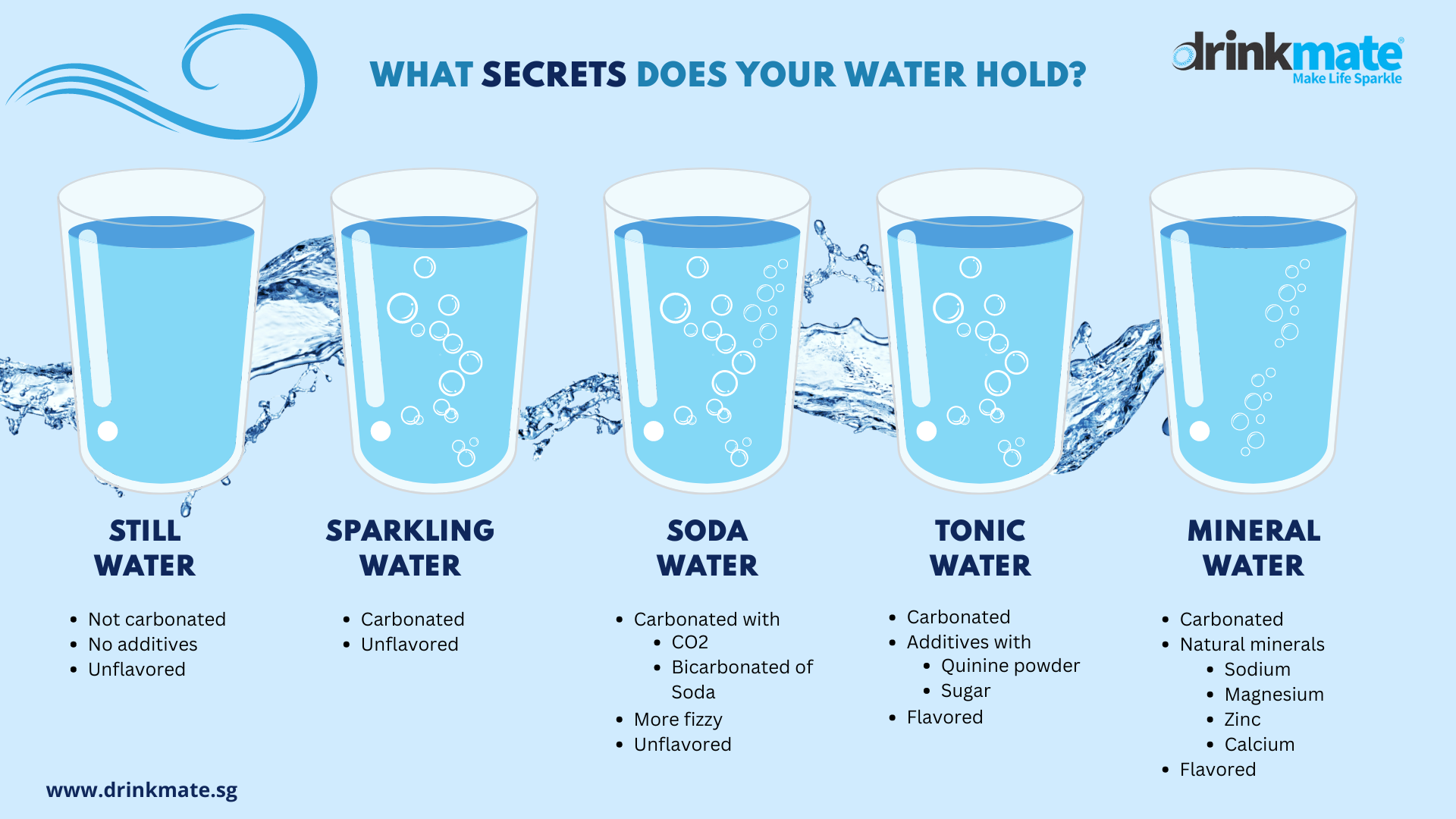 Soda Water vs. Sparkling Water: Unveiling the Fizz Facts | Drinkmate SG
You can even host a water-tasting party. Serve different brands, have your friends close their eyes, and vote on the best one. The winner might surprise you—it’s often the humble middle-shelf bottle. Suddenly, a boring afternoon becomes a delightful sensory adventure.
The Final Sip: Why This Matters
Here’s the uplifting part: learning to taste water teaches you to pay attention to the invisible. Most of life is like water—full of subtle, quiet beauty that we rush past. We’re so busy chasing big flavors and loud experiences that we forget the simple pleasures.
When you slow down and really taste your water, you’re training your brain to notice small, lovely things everywhere. The warmth of a sunbeam. The sound of a distant lawnmower. The way a friend’s laugh fades into silence. Water is a gateway to mindfulness.
So go ahead: fill a glass. Let it warm up. Sip it with your eyes closed. Ask yourself: What does this moment taste like? The answer is always there, waiting for you to notice. And that, my friend, makes life just a little more fun.
Now, go taste the world—one drop at a time. 😉
