What Is The Ph Of Di Water

Let’s talk about something that sounds like a chemistry pop quiz but is actually the quiet hero of your morning coffee, your skincare routine, and even your fish tank. We’re d...

Let’s talk about something that sounds like a chemistry pop quiz but is actually the quiet hero of your morning coffee, your skincare routine, and even your fish tank. We’re diving into DI water—short for deionized water. It’s not your average tap water, and its pH is a surprisingly juicy topic.
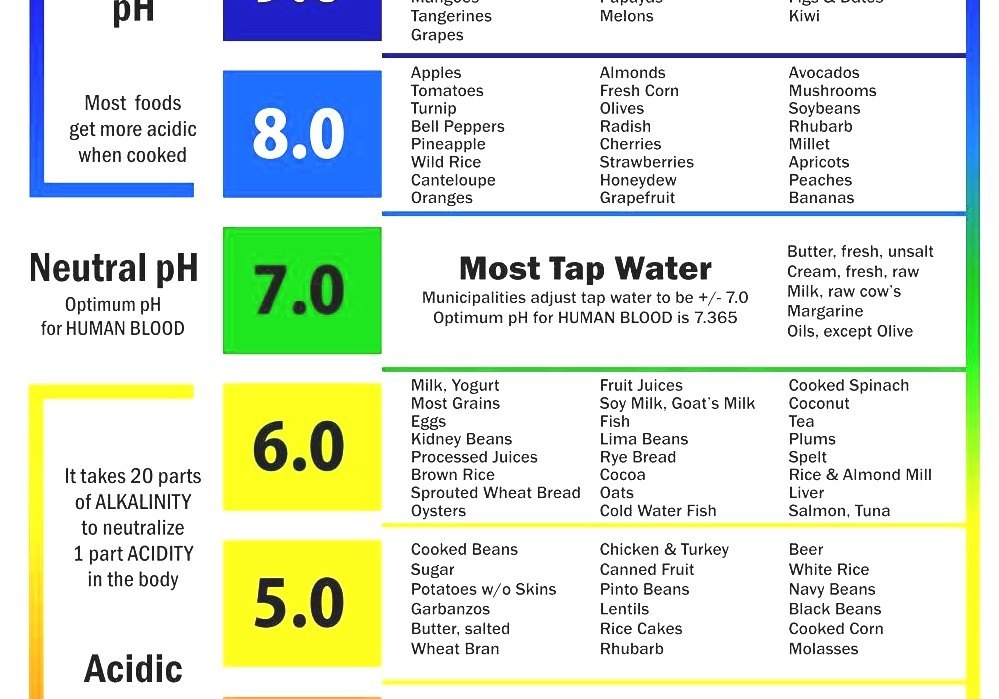
First, a quick refresher: pH measures how acidic or basic something is, from 0 (battery acid) to 14 (drain cleaner). Pure water sits right at 7, which is neutral. But DI water? It’s a bit of a rebel.
You see, deionized water has been stripped of almost all its ions—like calcium, magnesium, and chloride—through a special filtration process. Pure H₂O in theory should have a pH of 7, but in practice, DI water often tests slightly acidic, usually between 5.5 and 6.5.
Must Read
Why the drop? Because DI water is a sponge for carbon dioxide from the air. As soon as it’s exposed, CO₂ dissolves and forms carbonic acid, nudging the pH down. It’s like a shy guest at a party—molecule-pure but easily influenced by its surroundings.
The Cool Science Behind the Numbers
Here’s where it gets fascinating: DI water is so pure that it has virtually no buffering capacity. That means even a tiny amount of contamination can swing its pH wildly. Your breath alone can change it.
This makes DI water a favorite in labs and industrial settings. Pharmacies use it to mix medications, car batteries rely on it for performance, and microchip manufacturers wouldn’t dream of using anything else.
Fun fact: DI water can actually taste flat or slightly bitter because your taste buds miss the minerals. That’s why bottled water brands add back a pinch of salt or calcium—for that crisp, familiar zip.
Practical Tips for the Curious
Tip #1: Don’t drink DI water as your main H₂O source. Without minerals, it can leach small amounts from your body over time. Stick to filtered tap or spring water for daily hydration.
 Quick Guide to pH in Drinking Water – Tap Score
Tip #2: Love your houseplants? DI water is amazing for them—no mineral buildup in the soil. But mix it with a little tap water to keep pH balanced, or your fern might sulk.
Tip #3: For skincare, DI water can be a game-changer. It’s the base for many toners and serums because it won’t leave residue. Just don’t splash it on your face straight—it can be slightly drying.
Fun fact: In some high-end coffee shops, baristas use DI water to avoid mineral scale in espresso machines. But they always add back a mineral packet for flavor. Coffee chemistry is serious business.
A Cultural Nod: The “Pure” Water Trend
Remember when everyone was buying those fancy alkaline water machines? They push pH up to 8 or 9, claiming health benefits. DI water is the polar opposite—a minimalist’s dream, stripped down to essentials.
In Japan, DI water is used in traditional tea ceremonies to ensure the water doesn’t alter the delicate flavor of matcha. It’s like a blank canvas for purists. Meanwhile, in Silicon Valley, some biohackers swear by it for longevity (though scientists raise an eyebrow).
Think of DI water as the Marie Kondo of liquids: it sparks joy by removing all the clutter. But don’t forget, a little chaos—like minerals—is what makes life taste good.
 Purified Water - Di Water Ph
How to Test It Yourself
Curious about your own water? Grab a simple pH test strip from any aquarium or home-brewing store. Dip it into a glass of DI water (you can buy it at grocery stores or online).
You’ll likely see a color between yellow and light orange, indicating a pH of 6.0. If you wait a few minutes, it might shift lower as CO₂ sneaks in. It’s a mini science experiment you can do in your kitchen.
Pro tip: Always use a fresh, sealed container. Once opened, the pH drifts within hours. Treat DI water like a moody novelist—best enjoyed fresh.
The Bottom Line on pH
So, what’s the pH of DI water? Technically 7, practically 5.5 to 6.5, and emotionally a bit of a mystery. It’s not about the number—it’s about what the water can do when it stays pure.
Next time you sip your morning brew or mist your face with a toner, think about the invisible ions that make water interesting. DI water reminds us that sometimes, less really is more.
And here’s the reflection: In a world full of additives, noise, and constant stimulation, maybe we all need a little DI moment. A chance to strip back, breathe in the quiet, and remember that purity—like water—doesn’t need to shout to be powerful. Your pH might be neutral, but your impact can be anything but.
