What Is The Meaning Of Tds

You know that moment when you’re texting a friend, and they drop a three-letter acronym like TDS? Maybe you nod along, pretending you know exactly what it means, while your br...
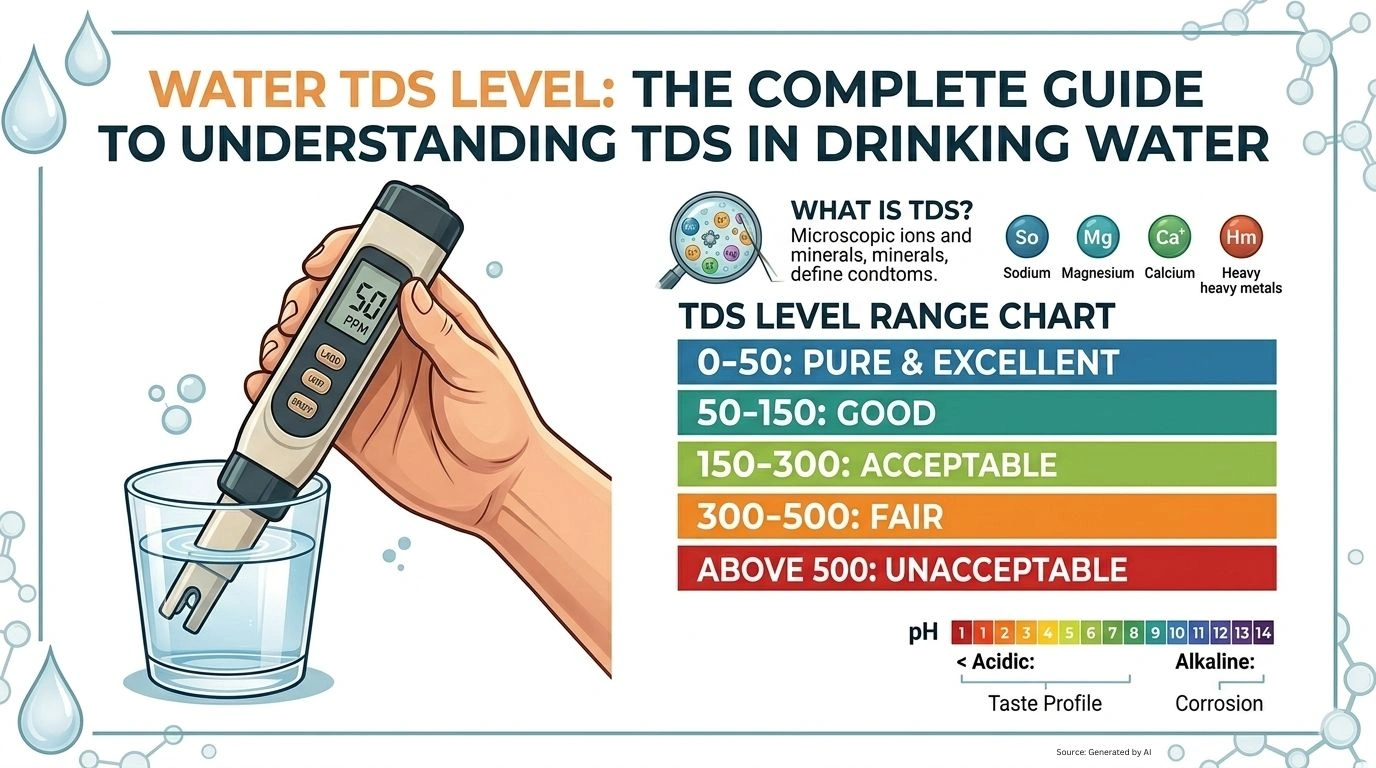
You know that moment when you’re texting a friend, and they drop a three-letter acronym like TDS? Maybe you nod along, pretending you know exactly what it means, while your brain does a little panic dance. Don’t worry—you’re not alone. Let’s clear the air together, like opening a window on a stuffy day.
The Everyday TDS You’ve Already Met
First, let’s talk about the most common TDS you bump into every single day: Total Dissolved Solids. Sounds fancy, right? But it’s just a way to measure tiny stuff floating in water—like minerals, salts, or even a little bit of calcium. Think of it as the personality of your water.
You know when you travel to a new town and the water tastes... weird? That’s TDS at work. Low TDS water can taste flat, like it’s missing a spark. High TDS water might taste salty or metallic. Your tongue is basically a TDS meter—cool, huh?
Must Read
Imagine you’re making a pot of coffee. If your water has too many dissolved solids, your morning brew can turn bitter or cloudy. That’s why some coffee snobs (lovingly) insist on filtered water. You don’t need to be a snob—just knowing about TDS can save your breakfast.
Why Should You Care? (Hint: It’s Not Just About Taste)
Have you ever noticed white, crusty spots on your showerhead or inside your kettle? That’s mineral buildup from high TDS. It’s like your appliances are slowly getting a bad case of dandruff. Over time, it can clog pipes and shorten the life of your dishwasher.
On the flip side, very low TDS water can be aggressive. It might leach minerals from your pipes, giving you a metallic taste or even health concerns. Water is picky, and TDS is its mood ring. Knowing your TDS helps you choose the right filter—like picking the right sunscreen for a beach day.
So, next time your friend raves about their new water filter, you can casually say, “Yeah, but are you checking the TDS?” You’ll seem like a water wizard. Knowledge is power, especially when it comes to the stuff you drink every day.
 Tds Water Meaning – Tds Measurement In Water – LKIQVY
But Wait—There’s Another TDS (In Your Head)
If you hang out on social media, you might have seen TDS used differently—like in politics or fan debates. TDS can also stand for Trump Derangement Syndrome or Taylor Swift Derangement Syndrome. Yes, people really use it that way. It’s a joking (sometimes not-so-joking) way to say someone is obsessed with a public figure to the point of losing chill.
You know that one cousin who posts 50 memes a day about a politician? Or that friend who can’t stop analyzing a pop star’s every outfit? That’s TDS in the wild. It’s not a real medical condition—just a playful label for when a person’s passion becomes a little… extra.
Don’t take it too seriously. If someone accuses you of having TDS, just laugh and say, “Guilty as charged—but at least my water is balanced.” It’s a great conversation starter, trust me.
How to Check Your Own TDS (Without a Science Lab)
Curious about your tap water? You can buy a TDS meter online for under $20. It looks like a little thermometer, but you dip it in water, and boom—a number appears. Anything under 300 ppm (parts per million) is generally fine. Over 600 ppm? You might want a filter.
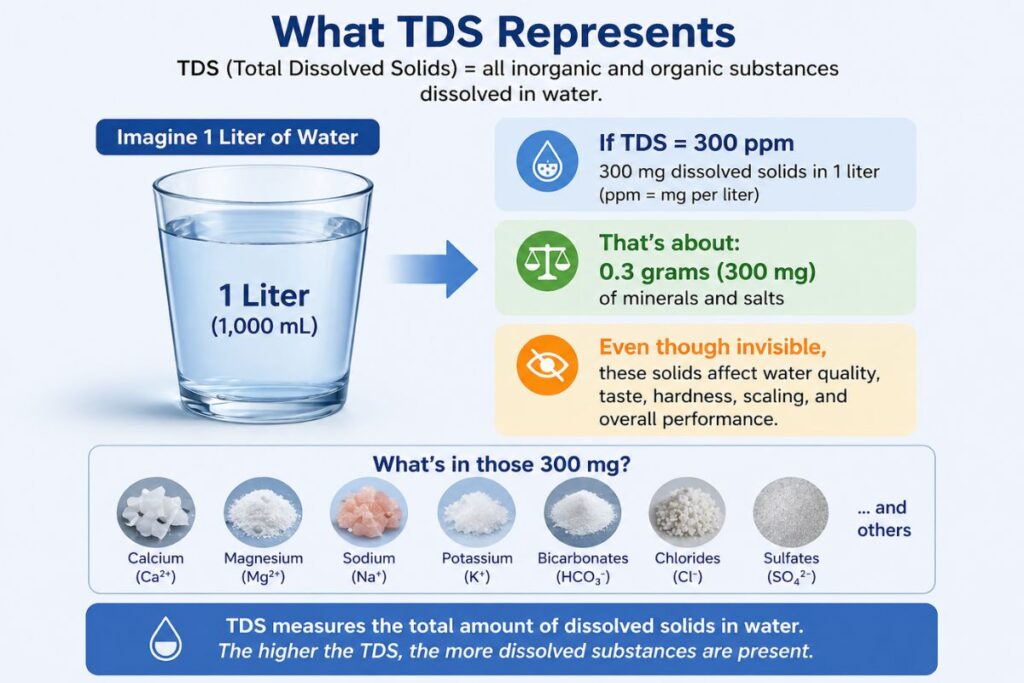 What Is TDS In Water & Why Should You Measure It?
Try this: pour a glass of tap water and a glass of filtered water from your fridge. Test both. You might be shocked at the difference. Or—plot twist—you might discover your tap water is actually great. Either way, you’ll feel like a mini scientist.
I tested mine last week, and the tap water was 120 ppm—pretty good! But my friend’s well water was 450 ppm. She now uses a reverse osmosis system and says her tea tastes like heaven. Little changes, big wins.
The Big Picture: TDS Is a Life Hack
Here’s the warm, fuzzy truth: understanding TDS is not about being a know-it-all. It’s about taking small control over your daily comfort. That water you drink? It’s the most consumed thing in your body. Give it a little love.
You don’t need to memorize numbers or buy expensive gear. Just be curious. Next time you sip a glass, pause and think, “What’s in here?” That tiny moment of awareness can improve your breakfast, your coffee, and even your debate with that cousin. That’s real power.
So go ahead—test your TDS, laugh about the other TDS, and enjoy your water with a smile. You’ve got this. And hey, now you can explain it to someone else with a wink. See? You’re already the cool one.
