What Is Still Spring Water

So, I’m standing in a grocery aisle, staring at a wall of water bottles. You know the scene: plastic mountains labeled "glacial," "alkaline," "purified," and then, looking all...

So, I’m standing in a grocery aisle, staring at a wall of water bottles. You know the scene: plastic mountains labeled "glacial," "alkaline," "purified," and then, looking all mysterious, "Still Spring Water." My brain, probably low on actual spring water, went, "What even is that? Isn't all water... still?" I almost bought a bottle just to solve the riddle, but then I remembered I had tap water at home. And I'm cheap.
But the question stuck with me. Because seriously, "Still Spring Water" sounds like a fancy way of saying "water that’s not doing cartwheels." But there’s actually a real, sometimes weird, story behind it. It’s not just marketing jargon—it’s a specific legal and geological identity that separates it from the tap water you boil for pasta.
So, What’s the Big Deal with "Spring"?
First, let’s get the obvious out of the way: still just means it’s not carbonated. No bubbles. No fizz. It’s flat, boring, and perfect for drinking. But the spring part? That’s where the magic (and bureaucracy) happens. A spring is a natural water source that flows to the surface from a confined aquifer—basically a deep, protected underground layer of rock and sand.
Must Read
Unlike river water, which gets splashed with runoff and duck poop, spring water is filtered by nature for decades or even centuries. As it travels through layers of bedrock, it picks up minerals like calcium and magnesium. That’s why it often tastes "cleaner" or "smoother" than tap water. Or maybe it’s just psychological—I’m not a water sommelier, folks.
Here’s the kicker: to legally call it "spring water," it has to be collected at the exact point where it flows out of the ground. You can’t just dig a hole nearby and call it a day. The FDA and European regulators have strict rules: no pumping from wells that aren’t directly connected to the spring. Yes, water has its own little passport and travel itinerary.
The "Still" Trap: What You’re Really Buying
Here’s where it gets ironic. A lot of "Spring Water" you see in stores is actually treated. Some brands disinfect it with ozone or UV light to kill bacteria. Others might filter it to remove sediment. And guess what? That’s totally legal, as long as the water’s original character (mineral content, source identity) isn’t changed.
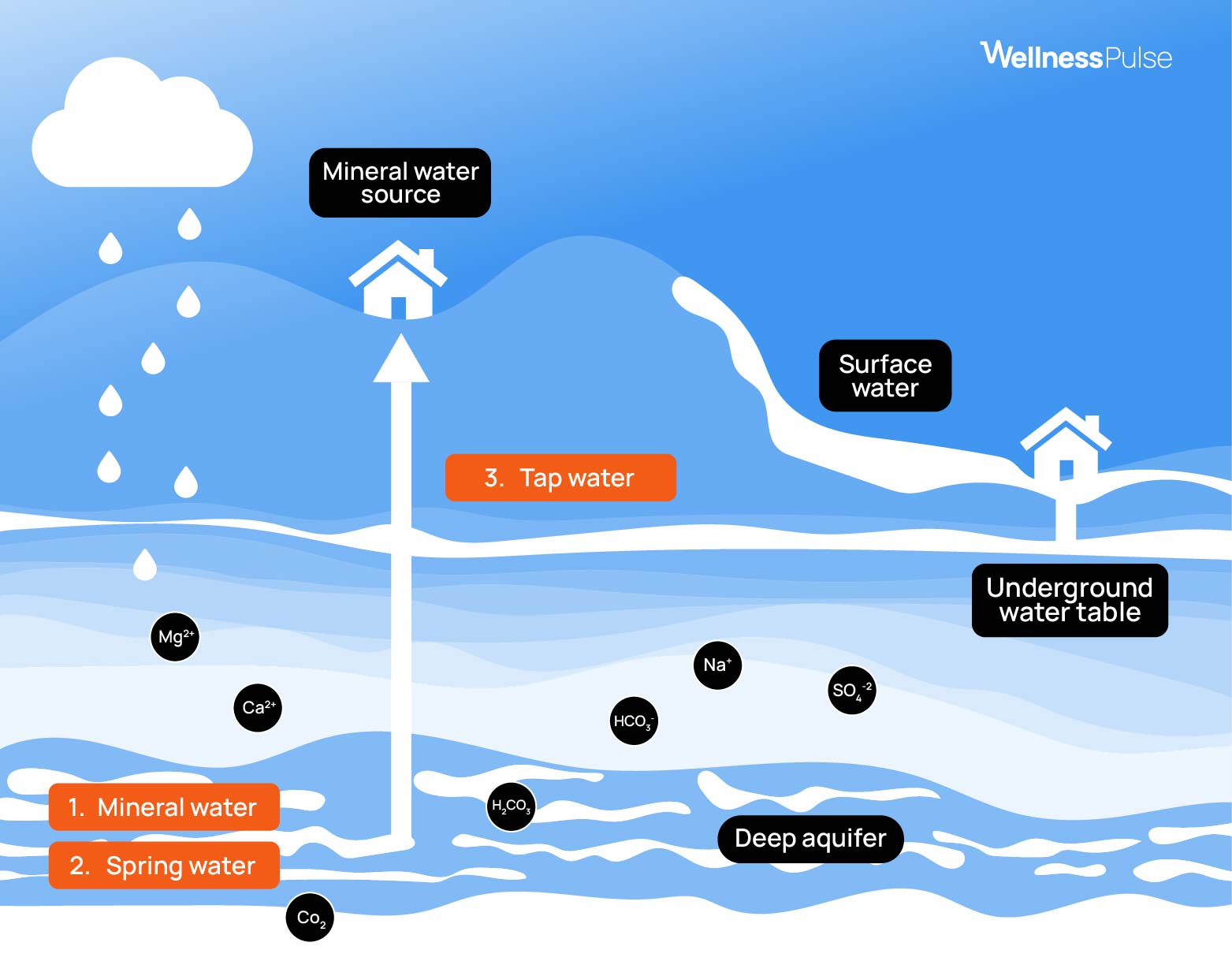 Spring Water vs. Purified Water: Explained | WellnessPulse
So, is "Still Spring Water" just fancy filtered tap water? Not exactly. Tap water comes from rivers, lakes, or reservoirs. It’s treated with chlorine and fluoride. Spring water comes from a specific, protected underground source. But here’s the truth: not all spring waters are created equal. Some are pumped from aquifers that are 500 feet deep, others from a hillside that a cow once used as a toilet. I’m kidding. Mostly.
What about the still label? It’s actually a warning. If you buy "Sparkling Spring Water," it’s been carbonated after collection. "Still" means you’re getting the natural, flat version. For some brands, that’s a selling point: no artificial tweaking. For others, it’s just a way to avoid lawsuits from people expecting soda-pop fizz.
Does It Actually Matter for Your Health?
Real talk: if you’re healthy, it probably doesn’t matter. Your body doesn’t care if the water molecule came from a spring or a municipal pipe as long as it’s clean. The mineral differences are tiny—like 20-30% more calcium in some brands. You’d get more minerals from eating a single almond. Or a cheese slice. Please don’t be the person who drinks 6 liters of spring water to hit your daily magnesium goal.
But for people with specific sensitivities, it can be a game-changer. Tap water sometimes has trace chlorine, chloramine, or even lead from old pipes. Spring water, even if bottled in plastic, usually lacks those. If you’re someone who gets a headache from city water, switching to a trusted still spring brand might help. Or you could just buy a $30 filter. But where’s the fun in that?
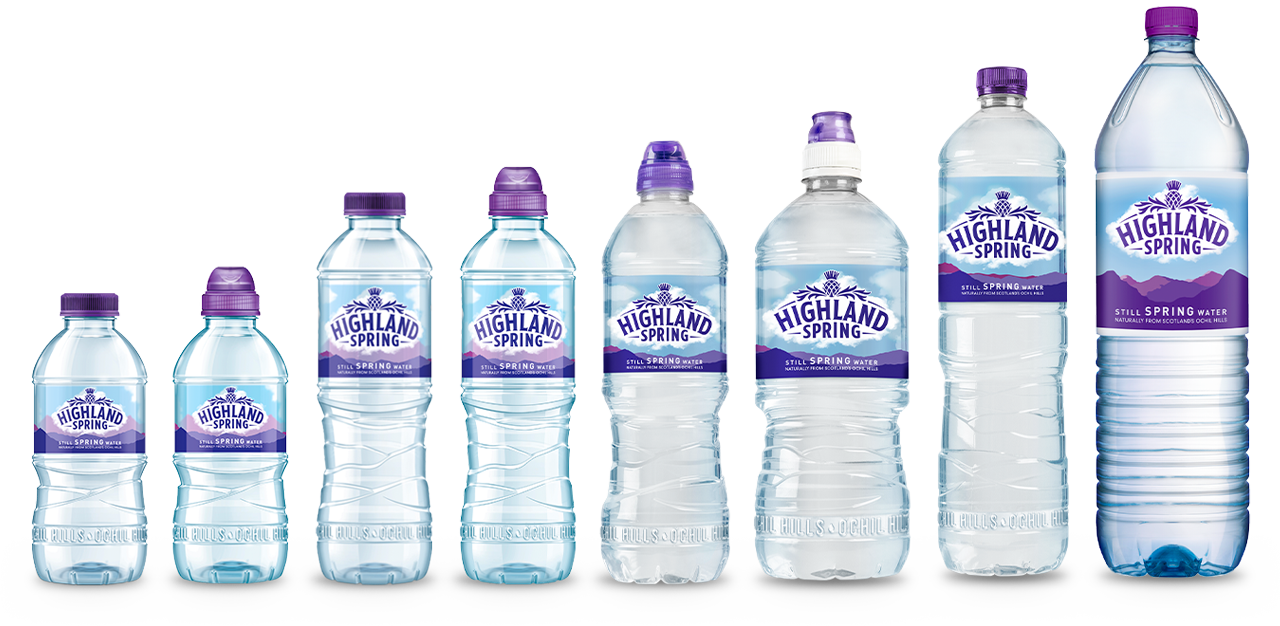 Spring Water - Highland Spring
The Eco-Side-Eye (Because We Can’t Ignore It)
I know, I know—bottled water is a plastic curse. But "Still Spring Water" has a nostalgic, honest edge to it. Historically, it’s how people got water before pipes existed. You literally went to the spring and filled a bucket. Some brands still do that, glass bottles and all. It’s not a bad product—it’s the packaging that’s the enemy.
If you buy a one-liter glass bottle of still spring water from a local source, you’re supporting a small business and skipping the microplastics. If you buy a 24-pack of single-use plastic bottles from a giant corporation, you’re just paying for advertising. Choose your adventure, my friend.
Final Verdict (Grab Your Glass)
“Still Spring Water” is water that comes from a protected underground spring, collected at the source, and left flat. It’s not magic. It’s not "better" for everyone. But it’s a piece of natural history—a direct line to a hidden, slow-moving world beneath our feet. The next time you see that label, you’ll know: you’re not just buying H₂O. You’re buying a story of geology, regulation, and a slightly confused shopper in a grocery aisle.
Now go hydrate. But maybe use a reusable bottle, eh? Your wallet and the ocean will thank you.
