What Is Tds Level In Water

You know that moment when you fill a glass from the tap, take a sip, and think, “Hmm, that tastes a little… chalky?” Or maybe you’ve noticed white crusty stuff on your kettle’...

You know that moment when you fill a glass from the tap, take a sip, and think, “Hmm, that tastes a little… chalky?” Or maybe you’ve noticed white crusty stuff on your kettle’s heating element, like a tiny, stubborn snowman living in your tea-maker. That, my friend, is your water waving a little flag about its TDS level.
TDS stands for Total Dissolved Solids. It’s a fancy way of saying “the stuff that’s floating in your water that you can’t see.” Think of it like the background noise in a good song—some is fine, but too much makes the whole thing sound like a staticky mess.
What Exactly Are These “Solids”?
They’re not actual rocks rolling around in your glass, thank goodness. These are tiny particles—minerals, salts, and metals—that have dissolved into the water. Picture a superhero’s secret identity: calcium, magnesium, sodium, and even trace amounts of lead or copper are all hanging out in your H2O.
Must Read
Your water is basically a traveling soup, and TDS is the recipe’s saltiness level. Some ingredients are delicious (like calcium for strong bones), others are just… weird (like a metallic aftertaste).
Why Should You Care About the Number?
Look, I’m not saying you need to become a water sommelier. But when TDS gets too high, your water starts acting like that one friend who overstays their welcome. It leaves white scale deposits on your faucets, makes your coffee taste like it was brewed in a rusty bucket, and can even wear down your water heater.
On the flip side, water with zero TDS is like that friend who’s too perfect—flat, lifeless, and a bit creepy. Pure distilled water actually pulls minerals out of your body, which is not great. It’s a Goldilocks situation: you want that TDS number to be juuust right.
The Magic Numbers (Without the Math)
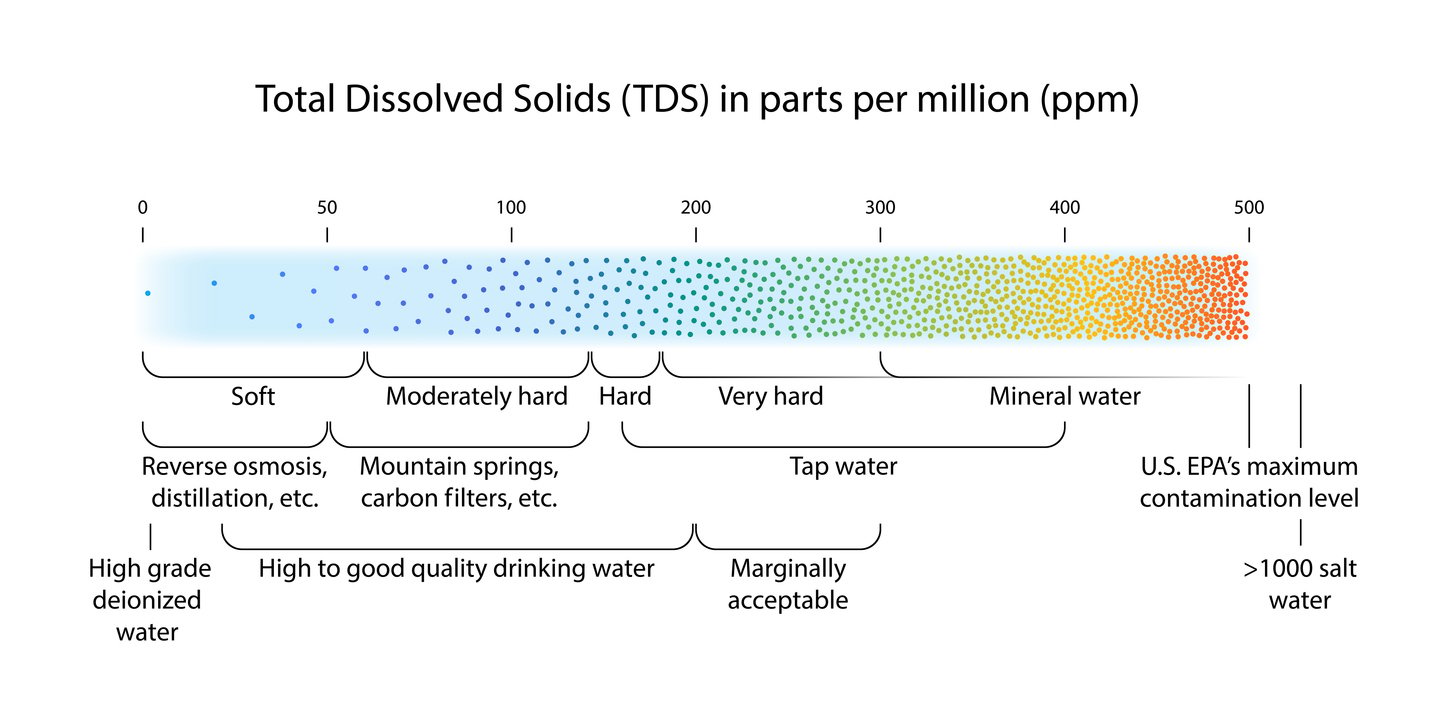
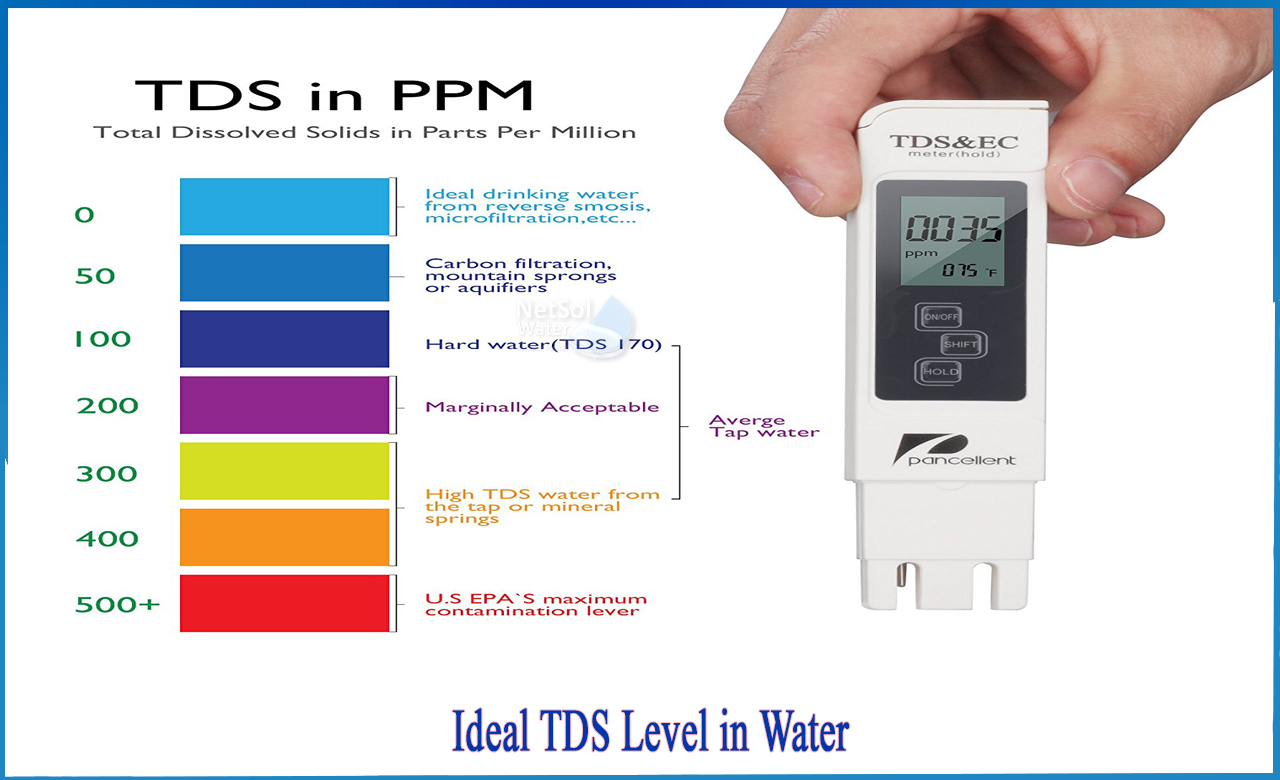
In general, a TDS reading below 50 parts per million (ppm) is like drinking filtered cloud. It’s ultra-pure and often used in labs or for fancy espresso machines. Between 50 and 150 ppm is what most bottled water companies dream of—crisp, clean, and balanced.
 What Should Be The Tds Of Bathing Water
Now, if your tap water hits 300 to 500 ppm, you’re in the “hard water” zone. Your soap won’t lather properly, your hair feels like straw, and you’ll start finding crusty white rings in your toilet bowl. It’s not dangerous, but it’s annoying—like a slow-dripping faucet that keeps you up at night.
Anything above 1000 ppm is water that tastes like licking the inside of a salt shaker. You’ll likely need a water softener or a reverse osmosis system. Think of it as a spa treatment for your plumbing.
A Little Story From My Own Kitchen
I once bought a cheap TDS meter from Amazon (because why not?). I tested my tap water: 340 ppm. “That’s fine,” I thought. Then I tested a fancy imported spring water: 24 ppm. Then I tested a puddle after a rainstorm: 12 ppm. I felt betrayed by my own Brita filter—it barely did anything!
The moral? A TDS meter is the lie detector test for your water. It tells you if that “purified” jug at the store is actually just fancy tap with a pretty label. My water softener now costs me $20 a month, but I save that in not buying bottled water and not scrubbing scale off my shower head.
Is High TDS Dangerous?
Usually, no. Your body is amazing at processing trace minerals. The EPA doesn’t even set a mandatory limit for TDS in tap water—it’s more about aesthetics (taste and appearance) than health. But if you have a compromised immune system or a baby, you might want to keep it below 300 ppm.
 What is the Normal TDS Level of Drinking Water
The real villains are specific contaminants that spike TDS, like lead or nitrates from farm runoff. A high TDS number is a red flag, not a diagnosis. Think of it as your water saying: “Hey, something’s going on, maybe check it out?”
How to Lower Your TDS Without a PhD
If your water tastes like a swimming pool or your kettle looks like a stalactite cave, here’s the cheat code: Reverse Osmosis (RO) systems are the gold standard. They can drop TDS from 500 ppm down to 10 ppm. Distillation works too, but it’s slow and you’ll need to re-mineralize the water (yes, that’s a real thing people do).
For a cheaper fix, a carbon filter (like a Brita) removes taste and odor but barely touches TDS. A water softener swaps calcium for sodium—great for pipes, but it actually increases TDS slightly. It’s a trade-off, like choosing between a faster commute and a better radio station.
The Bottom Line (You Already Know)
Next time you fill a glass, just listen to your water. If it tastes clean and your appliances aren’t screaming for help, your TDS level is probably fine. If you’re curious, buy a $15 meter and test your own tap, your fridge dispenser, and that fancy bottle from the store. You might laugh, you might cry, but you’ll know.
And remember: water that’s too pure is like a house with no furniture—functional, but empty. Water with just the right TDS is like a cozy living room: warm, inviting, and full of the good stuff. Cheers!
