What Is A Filter Cartridge

Picture this: It’s Saturday morning, you’re craving that perfect cup of coffee. You fill the reservoir, pop in a fresh pod, press brew, and—bleh—it tastes like someone rinsed...
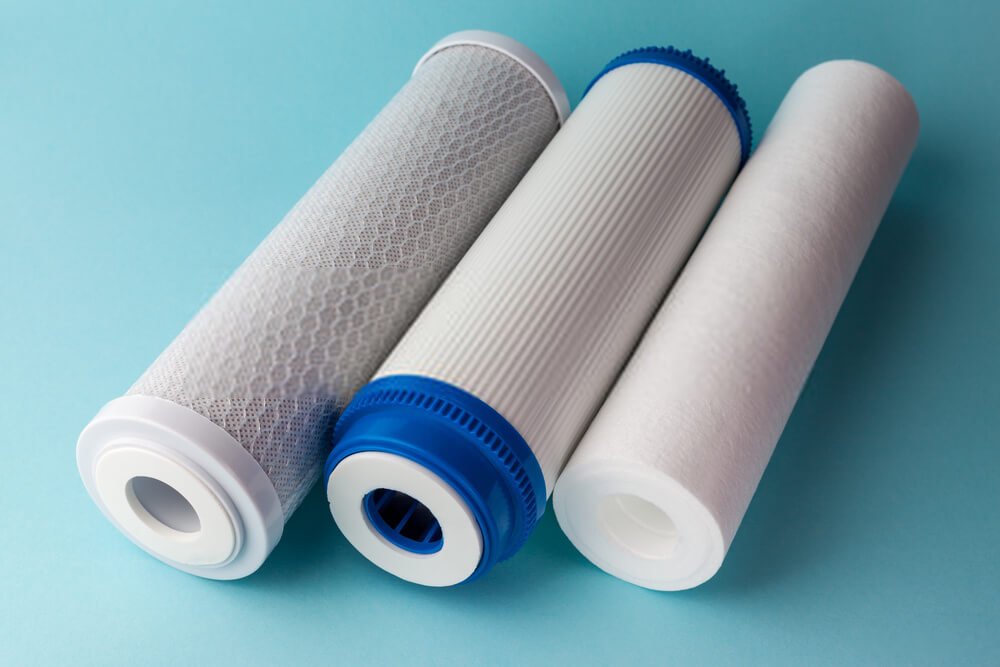
Picture this: It’s Saturday morning, you’re craving that perfect cup of coffee. You fill the reservoir, pop in a fresh pod, press brew, and—bleh—it tastes like someone rinsed a gym sock in it. You check the machine, shrug, and blame the beans. But the real culprit? A tiny, unsung hero that’s been silently rotting in your water line: the filter cartridge. Yeah, that little plastic tube you never think about until everything tastes like regret.
So, what is a filter cartridge? In the simplest terms, it’s a replaceable canister stuffed with media that traps junk, chemicals, and sometimes even odors from water or air. Think of it as a bouncer at an exclusive club—only the VIP molecules get through. The rest, from sediment to chlorine, get tossed out on their microscopic ear.
The humble workhorse you never thanked
Filter cartridges are everywhere, hiding in plain sight. Your fridge’s water dispenser, that bulky pitcher on your counter, the furnace in your basement, even your aquarium—each one relies on a cartridge. It’s like that friend who does all the dishes at a party and never gets a shout-out. You know who you are, Brita filter.
Must Read
The magic happens because of different layers of media. Most cartridges use activated carbon, which adsorbs (yes, with a ‘d’) chemicals like chlorine that make tap water taste like a swimming pool. Some use ion-exchange resin to soften water by swapping calcium for sodium (fancy, right?). Others, like those in your HVAC system, use pleated paper or fiberglass to catch dust and pollen so you don’t sneeze through winter.
But why do they need to be swapped out?
Here’s the ironic part: a filter cartridge works too well. Over time, all that trapped gunk builds up inside, turning the cartridge into a petri dish of bacteria, mold, or even slime. If you’ve ever neglected your fridge filter for six months—be honest, we’ve all done it—you’ve basically installed a water-flavored biohazard. The cartridge becomes a clogged highway, slowing flow and letting contaminants sneak through. Gross, but true.
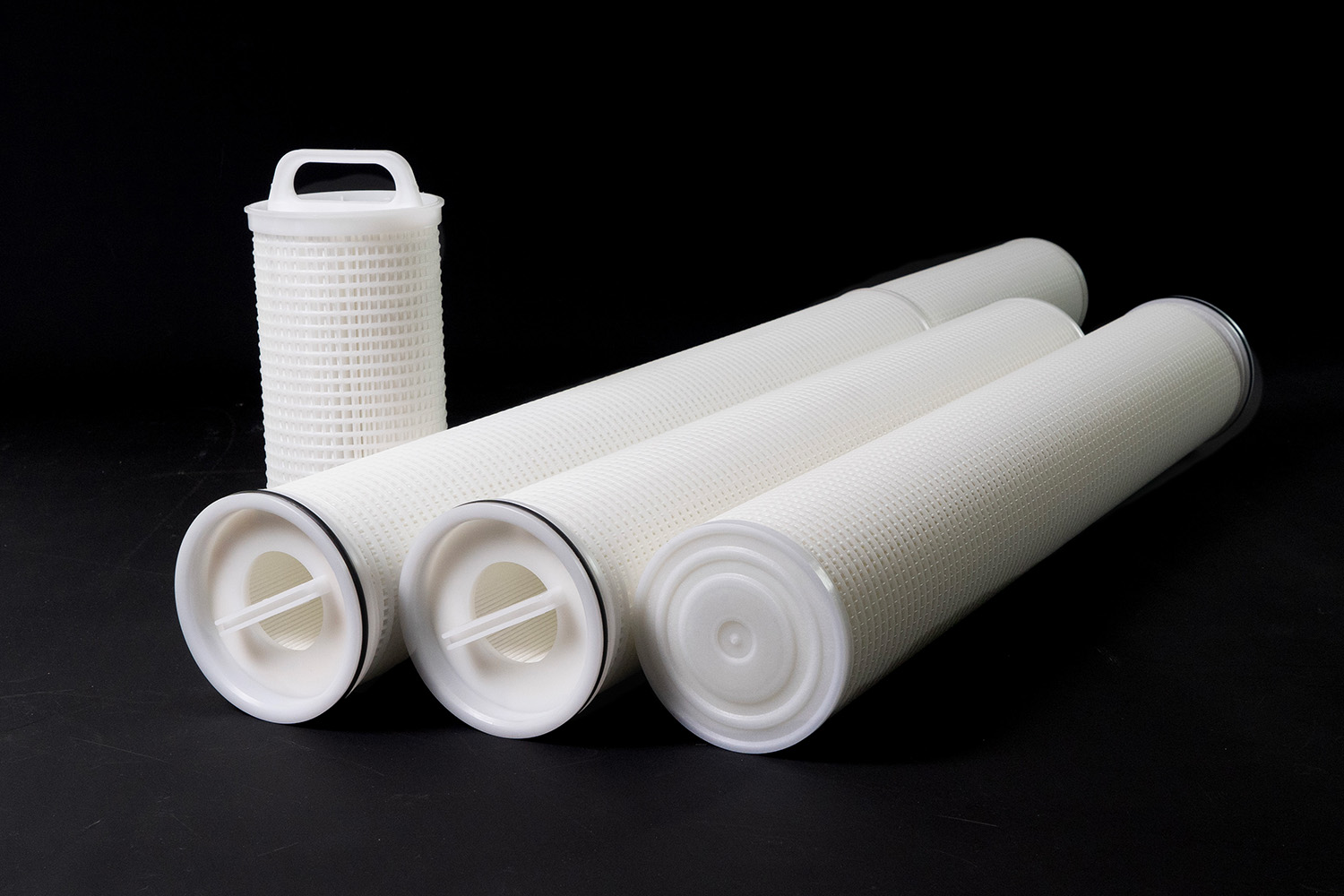 High Flow Filter Cartridge for Industrial Filtration • Dutch Filtration
Manufacturers recommend changing them every three to six months, but who has time for that? (Spoiler: you do, unless you enjoy crunchy ice cubes.) A simple rule: if your water starts tasting like a dusty attic, or your air feels stuffy, it’s time. Your cartridge is screaming for retirement.
The shocking variety of cartridges
Not all cartridges are created equal—some are downright weird. For example, reverse osmosis membranes are like the overachievers of the filter world, stripping out everything including minerals (goodbye, healthy calcium). Meanwhile, UV filter cartridges use ultraviolet light to obliterate bacteria, which sounds sci-fi but is just smart engineering. And don’t get me started on sediment cartridges—those yellow, stringy monsters that catch sand and rust from old pipes. They’re basically the janitors of your plumbing.
I once bought a whole-house filter cartridge online, and the box arrived with a diagram that looked like a spaceship schematic. I installed it, waited three days, and my shower water still smelled like sulfur. Turns out, I bought the wrong type. Classic rookie move. Always check your system’s spec before you buy, or prepare to become a YouTube plumber.
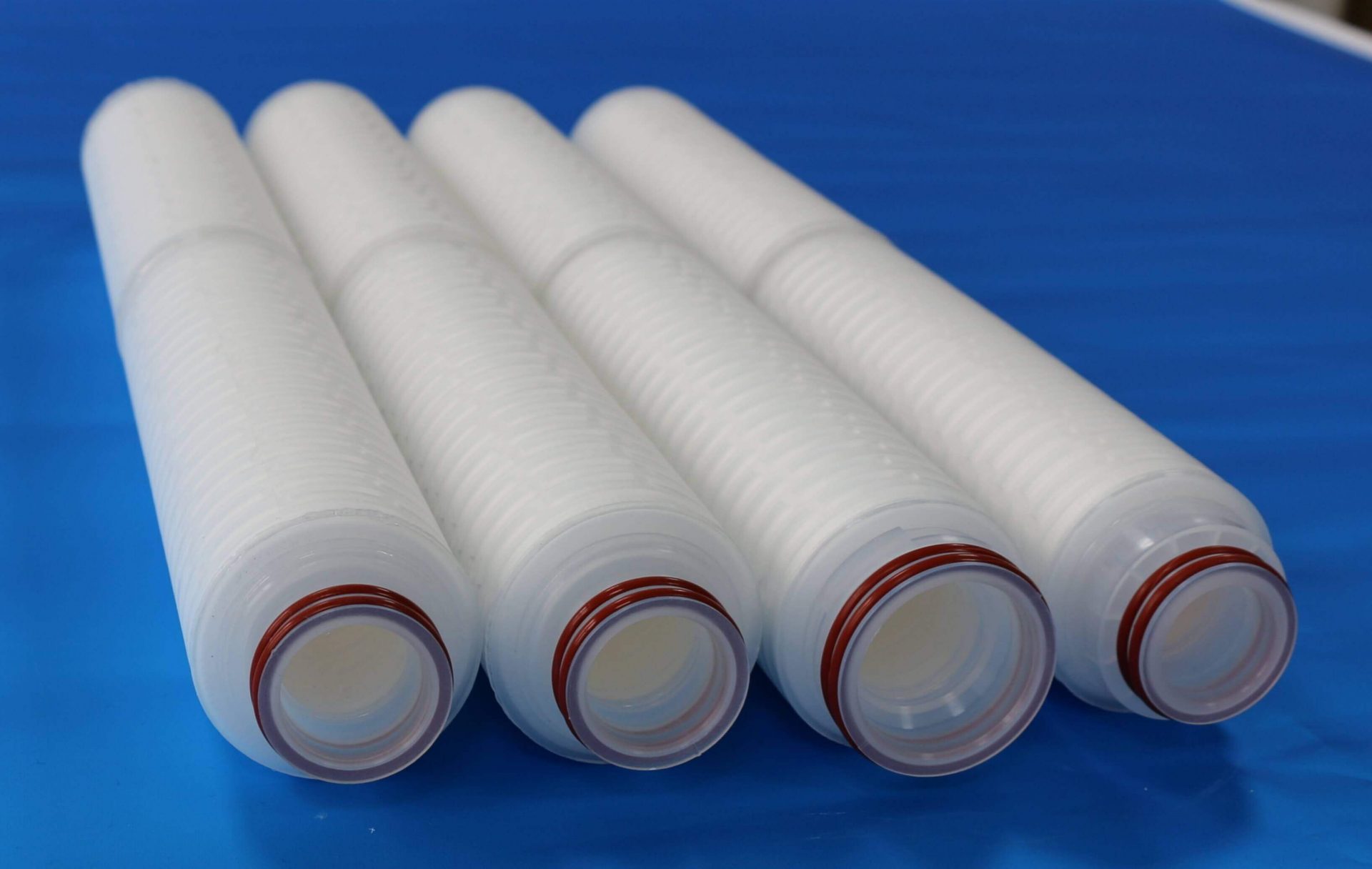 Advanced Membrane Pleated Filter Cartridge - RO AGUA Water Treatment
What about the environment?
Here’s the dirty secret: most cartridges are single-use plastic nightmares. They end up in landfills after their short, dirty life. Some brands now offer refillable cartridges or biodegradable options, but they’re still niche. So, while you’re enjoying clean water, the planet is crying a little. If that keeps you up at night (it should), look for brands with take-back programs or DIY upcycling ideas—like using old cartridges as planters for succulents. Honestly, they look terrible, but it’s a conversation starter.
So, why should you care?
Because your body is 60% water, and if you’re drinking crud, you’re basically running your internal engine on sludge. A working filter cartridge is the difference between a crisp glass of H2O and a mouthful of municipal pipe dust. Plus, it saves you buying bottled water, which is just overpriced tap water from a factory anyway. Fight me, Nestlé.
Next time you take a sip, give that plastic canister a mental high-five. It’s doing the grunt work so you don’t have to taste the 1980s. And when Instagram asks “what’s in your cup?” you can smugly reply: “100% filtered smugness, thanks to my cartridge.” Just don’t forget to change it before it turns into a science experiment. Your taste buds—and your fridge—will thank you.
