How To Boil Water To Drink

I remember my first “adulting” camping trip like it was yesterday. Picture this: me, a brand-new camp stove, and a pristine mountain stream. I filled my pot with that crystal-...

I remember my first “adulting” camping trip like it was yesterday. Picture this: me, a brand-new camp stove, and a pristine mountain stream. I filled my pot with that crystal-clear water, feeling like a true outdoorsman. Ten minutes later, I was sipping what I thought was a triumph, only to wake up at 3 AM regretting every single life choice I’d ever made.
Yeah. I learned the hard way that clear water is not always clean water. That little lesson in gastrointestinal karma is why we’re here today. Because boiling water isn’t just for pasta—it’s your number one defense against a world of invisible, squiggly party crashers.
The "Why" Behind the Bubble
Let’s get science-y for exactly one sentence. Boiling water kills the bad guys: bacteria, viruses, and parasites that would love to throw a rave in your intestines. You can’t see them, you can’t taste them, but a good rolling boil? That’s their eviction notice.
Must Read
I’m not just talking about murky puddle water, either. Even tap water in a foreign country can be a gamble. That “mineral taste” might just be your future roommate: Giardia. Trust me, you don’t want to meet them.
Side note: If you’re reading this on your phone during a power outage, you are my target audience. High-five for preparedness, but let’s get that pot on the stove.
Step 1: The Water Source (A.K.A. Not the Toilet)
Obvious, right? But you’d be surprised. The best water to boil is the cleanest water you can find. Rainwater, clear streams, or tap water are ideal. If it looks like mud, you’re working harder, not smarter.
If your only option is a brown puddle, filter it first. Use a bandana, a coffee filter, or even your t-shirt. Pro tip: Fold the cloth in layers. You’re not making coffee; you’re making survival juice. The goal here is to remove the rocks and twigs so you’re not boiling dirt soup.
And for the love of all that is holy, do not drink hot water from the tap. It often sits in the water heater, picking up metals and sediment. Always start with cold water. I know, I sound like your grandma, but grandmas are rarely wrong about plumbing.
Step 2: The Heat (Patience, Young Grasshopper)
Fill your pot about halfway. More water means longer waiting time. Less water means you run out of hydration faster. Find the balance. I use a medium-sized saucepan for my kettle-less adventures.
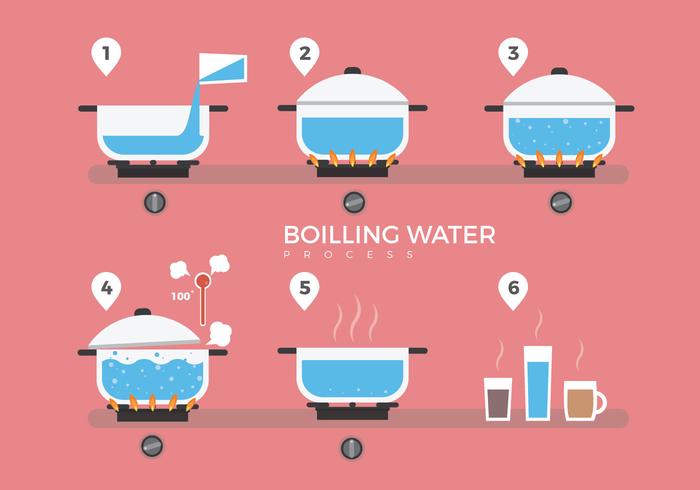 How To Boil Water Step By Step
Put it on the stove, campfire, or sterno can—whatever you’ve got. Crank the heat to High. This is where the magic happens. You’re not just heating water; you’re declaring war on microbes.
Do not walk away and check Instagram. Watch for the first tiny bubbles that form at the bottom of the pot. That’s called “simmering,” and it’s the pregame show. You want the main event.
The Critical Moment: The Rolling Boil
This is the part everyone messes up. You need a rolling boil. Not a few timid bubbles. I’m talking about a vigorous, angry, “this water is trying to escape” kind of boil. It should look like a hot tub without the jets. If you can see your reflection, it’s not boiling hard enough.
Once you reach that furious bubble-dance, set a timer for exactly one minute. Yes, just one minute at a full boil. At sea level, that’s enough to kill everything nasty. Higher altitudes (above 6,500 feet) need three minutes because water boils at a lower temp.
I know what you’re thinking: “But the internet says I need to boil it for ten minutes!” Relax, that’s a myth from the 1800s. One minute is all it takes. Any longer and you’re just wasting fuel and boiling away the water itself. You want to drink it, not evaporate it.
Step 3: The Cool Down (Don’t Burn Your Face)
Turn off the heat. Let it sit. Do not chug it immediately. Boiled water is still hot enough to strip the enamel off your teeth. I say that from experience, and my dentist is very tired of my “camping stories.”
 How to Safely Boil Water for Drinking: Essential Guidelines and Tips
Pour it into a clean cup or leave it in the pot. If you’re in a rush, set the pot in a bowl of cold water to speed things up. Do not add ice unless you know the ice is made from clean water. Otherwise, you just re-contaminated your perfectly boiled potion.
Once it’s lukewarm (test it on your wrist like baby formula), drink up. You’ve earned that sip. You are now a certified water-boiler, ready to face any apocalypse or surprise camping trip.
Extra Credit: Making It Taste Less Like Licking a Penny
Let’s be real: boiled water often tastes flat and metallic. That’s because boiling removes dissolved oxygen. The fix is simple: pour it back and forth between two cups. This aerates it, adding back that fresh, crisp taste. You look fancy, and your water tastes better. Win-win.
Or, just add a pinch of salt and a squeeze of lemon. Suddenly, you’re not a survivor; you’re a chef in the wilderness. I once added a mint leaf from my garden and felt like a wizard.
One last thing: if you’re making this for coffee or tea, the boiling step already happened. Don’t double-boil it. Just heat it to the temp you need. Over-boiling tea water is a crime against caffeine, and we don’t do that here.
So there it is. You now possess the ancient skill of making water safe. It’s not glamorous, but it’s the most important thing you’ll learn that isn’t related to taxes. The next time you’re staring at a murky puddle or a suspicious hose, you’ll smirk. Because you know the secret. Just bring it to a rolling boil, count to sixty, and drink like a king. Now go forth, be hydrated, and don’t get dysentery.
