How To Test Water For Pfas

Okay, let’s talk about PFAS. You know, those “forever chemicals” that sound like a sci-fi villain but are actually lurking in your non-stick pan and, potentially, your tap wat...
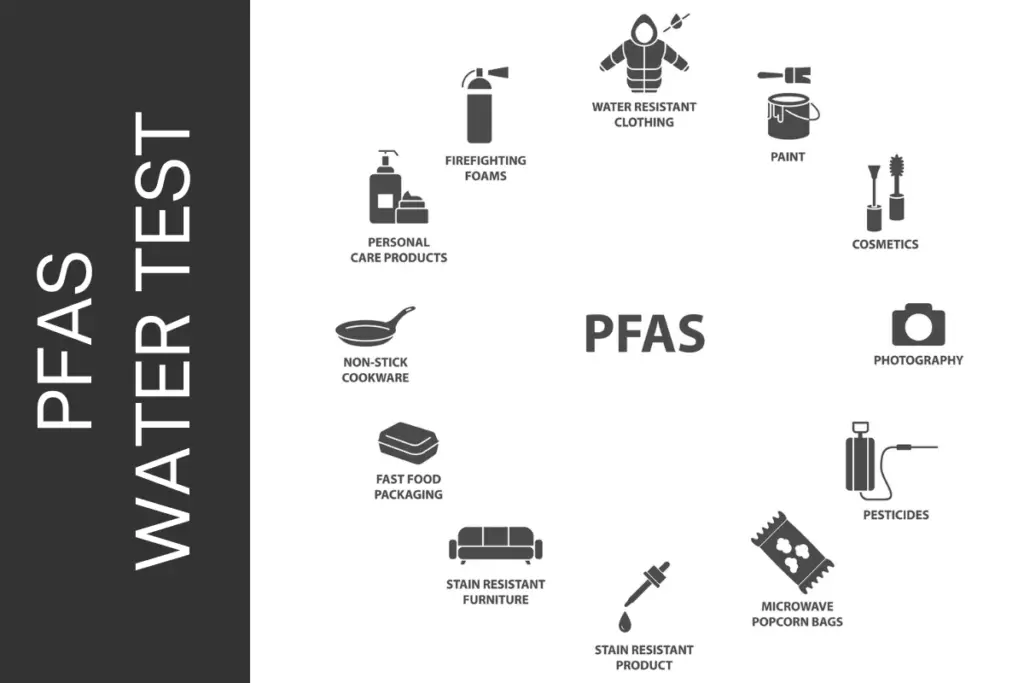
Okay, let’s talk about PFAS. You know, those “forever chemicals” that sound like a sci-fi villain but are actually lurking in your non-stick pan and, potentially, your tap water. It sounds scary, but testing for them doesn’t require a hazmat suit or a PhD. You can totally do this, and I’m going to walk you through it like we’re grabbing coffee.
First, a quick reality check: PFAS stands for per- and polyfluoroalkyl substances, and they’re basically tiny, invisible ninjas that don’t break down. They’re linked to some not-fun health stuff, so knowing what’s in your water is a smart move. But don’t panic! Knowledge is power—and also the first step to drinking water that doesn’t come with a side of mystery chemicals.
Step One: Decide What You’re Testing For
Not all water tests are created equal. A basic home test kit might tell you about lead or bacteria, but PFAS is a whole different beast. You need a test that specifically looks for these compounds, often listed as PFAS, PFOA, PFOS, or the fancy term “total PFAS.”
Must Read
Think of it like this: you wouldn’t use a fish net to catch a ghost. You need a ghost net. Or, in this case, a specialized lab test. Most standard grocery-store kits won’t cut it—they’re the bargain-bin options, and PFAS is the VIP section of contaminants.
Your Options: DIY Kits vs. The Pros
Here’s the fun part: you have two main roads. Option A is a mail-in lab test, which is the gold standard. You get a special kit, fill a vial with water, and ship it off to a certified lab. They do the science magic, and you get a detailed report.
Option B is a fancy at-home test kit designed for PFAS. These are newer on the market, with colorful packaging that promises quick results. They’re convenient, but remember: accurate is better than fast. Labs can detect things down to parts per trillion—that’s like finding one grain of salt in an Olympic-sized swimming pool. Your eyeball can’t do that.
How to Use a Mail-In Lab Kit (Without Screaming)
So you picked the lab route. Good choice, smart cookie. Open the kit and you’ll see a sterile vial, gloves, and instructions that look like a physics exam. Breathe. It’s easier than assembling IKEA furniture.
First, don’t touch the inside of the vial. That’s like licking a Petri dish—bad form. Fill the vial from your kitchen tap after letting the water run for a few minutes. Why? Because stagnant water doesn’t represent what you actually drink.
Label the vial with your name, the date, and your address. Then, seal it in the provided bag. Ship it out within 24 hours, because PFAS can degrade or cling to plastic over time. Treat it like a VIP guest—deliver it fresh.
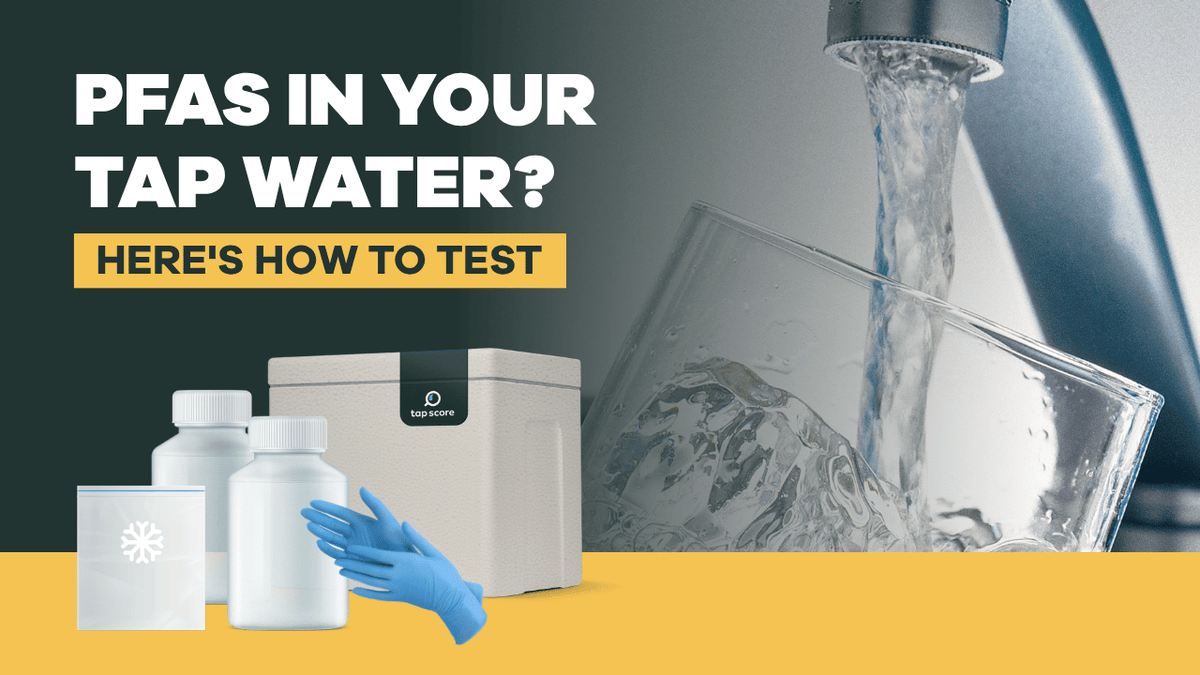 Lab Test Kits for PFAS in Drinking Water – Tap Score
What the Lab Tells You (And How to Not Panic)
Your results will come back with numbers like “10 ppt” or “0.5 ppb.” PPT = parts per trillion, and PPB = parts per billion. The U.S. EPA has a health advisory level of 70 ppt for combined PFOA and PFOS, but some states have stricter limits. Don’t freak out if your result is 15 ppt—it’s below the federal limit, but above some states’ goals.
Look for the total PFAS number. That’s the sum of all the chemicals detected. If it’s over the EPA advisory, you may want to consider a water filter designed to remove PFAS (think activated carbon or reverse osmosis). If it’s under, you can do a little happy dance. Science for the win!
At-Home PFAS Test Kits: The Lighter Side
Some companies now sell test strips for PFAS that change color, like a mood ring for water. They’re not as precise as a lab, but they’re great for rough estimates. Dip the strip, wait, compare the color to a chart. It’s like a chemistry set for grown-ups.
These kits are awesome for peace of mind—if the strip shows a high reading, you order the lab kit. If it’s low, you can relax a little. Just know they’re not perfect. They might miss some types of PFAS, kind of like a detective who only looks for red cars.
Still, any data is better than no data. And the process is so easy, you can do it while waiting for your coffee to brew. No hazmat suit required.
A Few Important “Oops” Moments to Avoid
Here’s where I save you from rookie mistakes. Never use a plastic container that had soap or food in it. Residual chemicals can skew your results. Use the sterile vial they give you, or a clean glass jar if you’re improvising (but really, just use the vial).
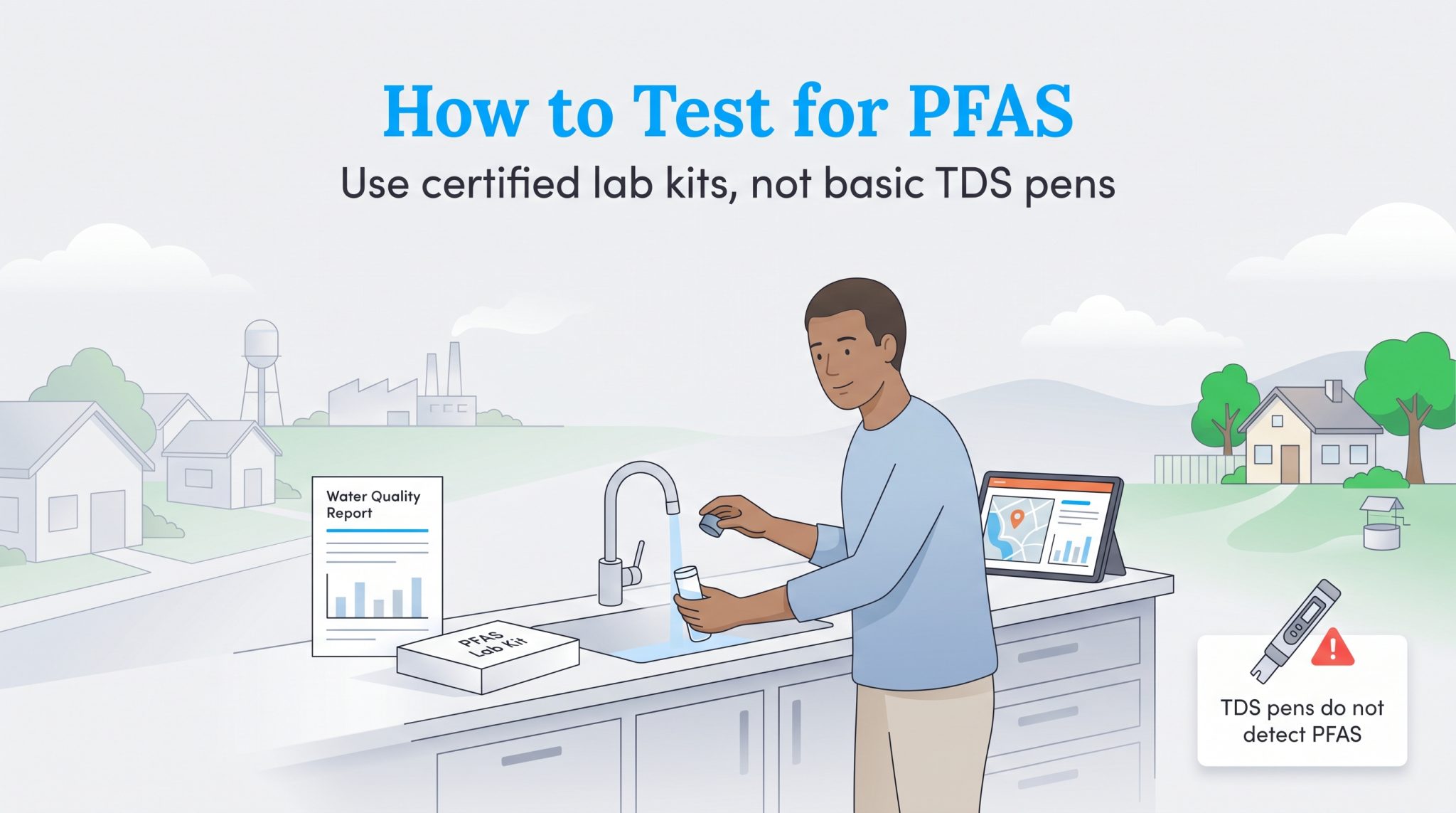 PFAS in Water: What ‘Forever Chemicals’ Are and How to Filter Them
Also, don’t test water from a bottle that says “spring” unless you’re a billionaire. Tap water is what you need, right from the source. And if you have a refrigerator filter, test water both before and after the filter. That’s the power move—it tells you if your filter is a hero or a fraud.
And for the love of hydration, label your samples clearly. There’s nothing sadder than mixing up the “after filter” and “before filter” vials and then arguing with yourself about which one was which. That’s a plot twist nobody needs.
The Verdict: Yes, You Can Handle This
So here’s the uplifting truth: testing your water for PFAS is not a big, scary monster. It’s a small, manageable step toward being a superhero for your own health. You’ve already done the hard part—you cared enough to read this!
Whether you go with a mail-in lab or a test strip, you’re taking action. You’re saying, “Hey, world, I want to know what’s in my glass.” And that’s pretty cool. You’re a water detective, and your badge is a clean, empty vial.
And hey, even if you find a few parts per trillion of PFAS, don’t despair. It just means you have a reason to look into a filter, and filters are pretty neat—they’re like bouncers for your water, kicking out the bad guys. Plus, you now have a great story for your next dinner party: “So I tested my water for forever chemicals, and guess what…”
So go ahead, order that kit. Fill that vial. Ship it off. And when those results come back, whether they’re squeaky clean or a little spicy, remember: you’ve got this. Your water is about to become the star of its own feel-good movie. And you? You’re the hero with the testing kit. Cheers to that!
