What Is An Ro Water System

You know that feeling when you take a sip of water and it just tastes… off? Maybe it’s a little like a swimming pool, or like it’s been sitting in an old pipe. That’s where an...
You know that feeling when you take a sip of water and it just tastes… off? Maybe it’s a little like a swimming pool, or like it’s been sitting in an old pipe. That’s where an RO water system comes in, and trust me, it’s way cooler than it sounds.
RO stands for Reverse Osmosis. It sounds fancy, but think of it as a super-powered strainer for your tap water. Imagine making pasta: you pour the noodles and water through a colander, and the colander keeps the noodles while the water goes down the drain. An RO system does the opposite—it pushes water through a special membrane that catches all the bad stuff, leaving you with only the pure, clean liquid.
Why should you care about what’s in your water?
It’s not just about taste, though that’s a huge win. Tap water can carry things you don’t really want in your morning coffee: chlorine, lead, pesticides, and even tiny bits of plastic. These aren’t things you can see, but they can make your water feel heavy or weird.
Must Read
Ever noticed a white, crusty buildup on your kettle or coffee maker? That’s scale from hard water minerals. An RO system strips most of that out, so your appliances last longer and your coffee tastes like it came from a fancy café, not a chemistry lab.
The everyday magic of RO water
Let’s get specific. Imagine filling up a glass of water at 2 a.m. when you’re thirsty. With RO water, it’s crisp, clean, and almost silky. No aftertaste. It’s the kind of water you’d pay three bucks for at a hotel, but it comes from your own kitchen tap.
And it’s not just for drinking. Ever tried making ice cubes with tap water? They turn cloudy and smell like the fridge. RO ice cubes are crystal clear and tasteless—perfect for a fancy lemonade or a summer cocktail. Your friends will be impressed, trust me.
Think about your pets, too. My dog, Milo, used to sniff his water bowl and walk away. After I installed a small RO system under the sink? He laps it up like it’s a treat. Animals have sensitive noses—they know good water when they taste it.
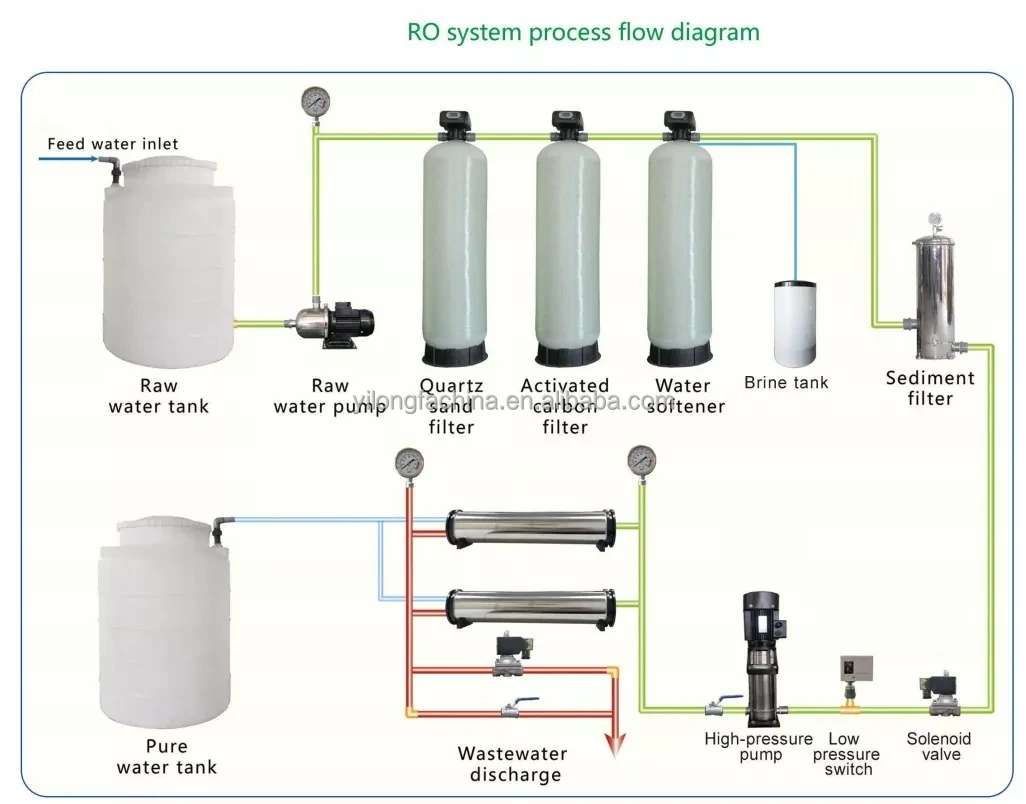 Alkaline Small RO Water Treatment System for Wholesale
What actually happens inside the system?
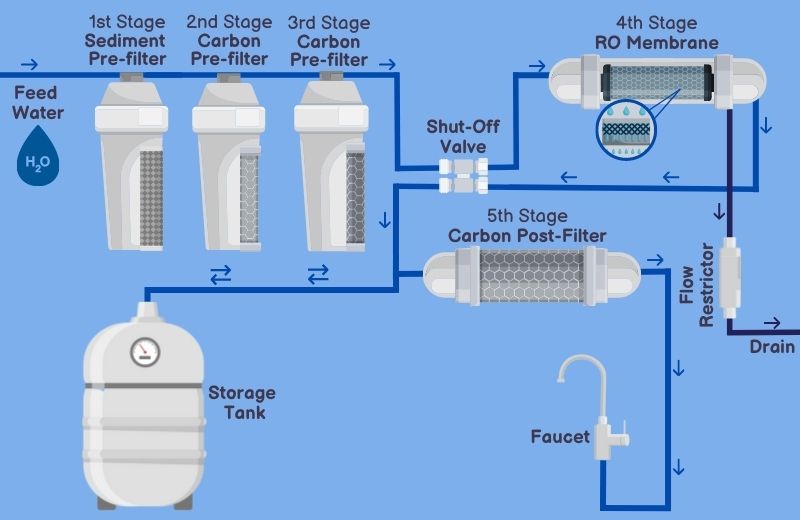
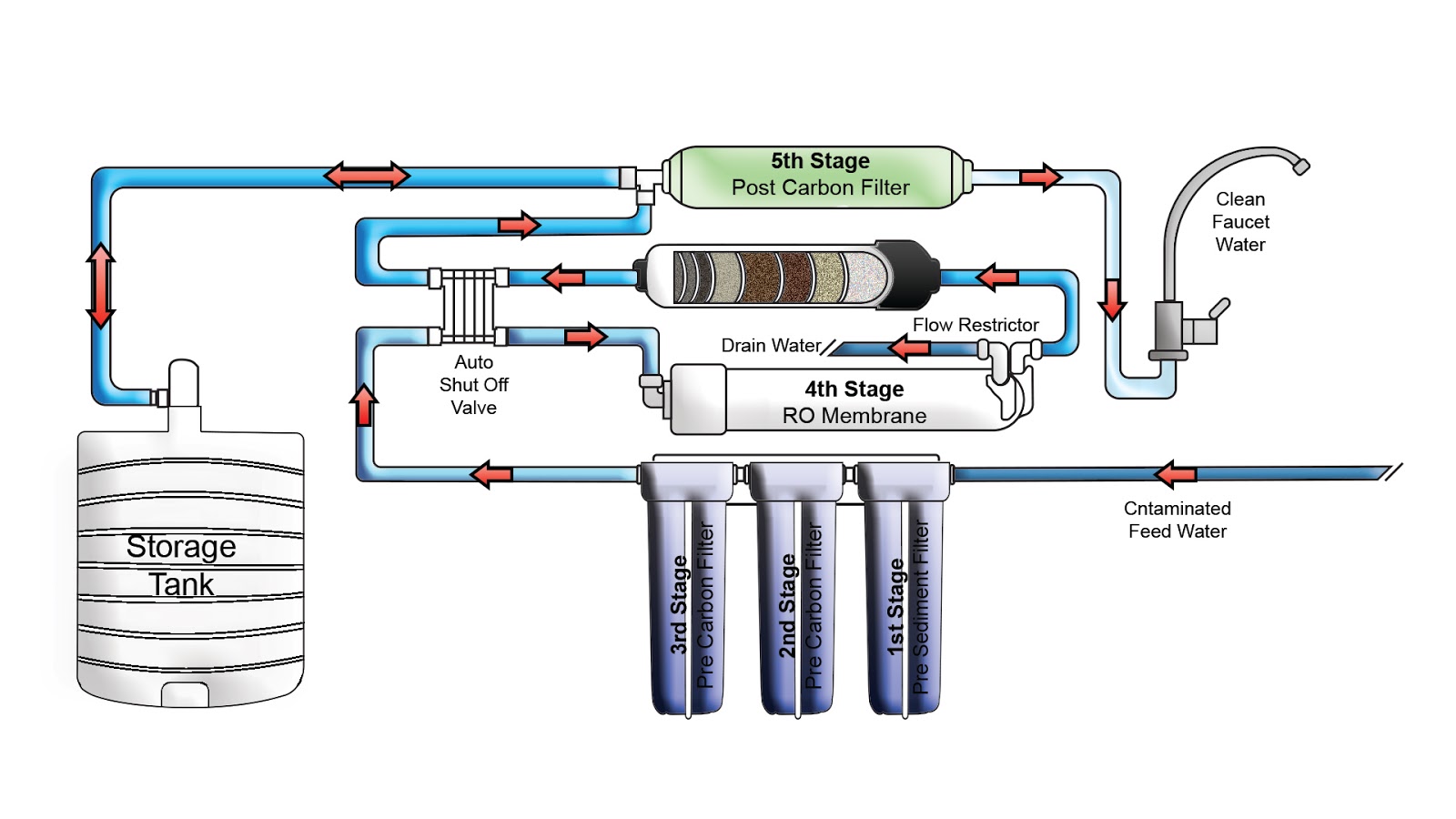
It’s a simple little setup, usually hidden under your kitchen sink. Water goes through three main steps: first, a pre-filter catches big stuff like sand and rust. Then, the RO membrane does the heavy lifting, pushing water through microscopic pores that block contaminants down to the size of a virus.
Finally, a carbon filter polishes the taste. The whole process takes a few minutes per gallon, but most systems have a little storage tank so you never have to wait. It’s like having a personal water bottling plant on call 24/7.
Now, here’s the funny part: RO systems actually produce some “waste” water—the stuff with the contaminants in it. But don’t worry, it’s not a huge amount. And you can use that “waste” water to water your plants or wash your car. It’s still cleaner than most outdoor water.
Is it expensive? Spoiler: No.
You might think this sounds like a million-dollar gadget, but basic under-sink RO systems start around $100 to $200. Compare that to buying plastic water bottles every week—you’d save money in under six months. Plus, you help the planet by ditching all that single-use plastic.
Installation is often shockingly easy. Many systems come with a simple faucet and color-coded tubes that snap together like Lego. If you can use a screwdriver and a drill, you can probably install it yourself on a Saturday afternoon. If not, a plumber can do it in under an hour.
 How Does An Industrial Ro System Work at Joan Leet blog
But wait—does it remove everything?
Great question. RO systems remove about 95-99% of contaminants, including lead, fluoride, nitrates, and even some bacteria and viruses. It also removes good minerals like calcium and magnesium, which is why some people add a mineral filter afterward.
Honestly, most of us get enough minerals from food—like cheese, yogurt, and leafy greens—so missing a tiny bit from water is no big deal. And the trade-off for water that tastes like a mountain spring? Worth it.
If you’re someone who drinks a lot of water (and you should!), an RO system turns hydration from a chore into a pleasure. You’ll find yourself drinking more, feeling better, and maybe even craving that crisp taste when you’re away from home.
A simple upgrade that changes everything
Here’s my final thought: water is the one thing you consume more than anything else—every single day. Making it the best it can be is a small investment with big returns. No more buying bottled water, no more funny tastes, and no more worrying about what’s hiding in your tap.
So the next time you fill your glass, take a second to appreciate that clean, refreshing sip. An RO water system is not a complicated machine—it’s your new best friend in the kitchen. Cheers to that.
