What Is The Ph Of Ro Water

So, you’ve got a reverse osmosis (RO) system, or you’re thinking about getting one. And suddenly, you’re asking a very specific chemistry question: “What is the pH of RO water...

So, you’ve got a reverse osmosis (RO) system, or you’re thinking about getting one. And suddenly, you’re asking a very specific chemistry question: “What is the pH of RO water?” Don’t worry, you’re not alone—this is actually a super fun rabbit hole to fall down! Let’s dive in and make water a little more exciting.
The Short Answer (Spoiler Alert!)
Pure RO water usually has a pH between 6.0 and 6.5—slightly acidic. That might sound scary, but hold your horses! It’s not the same as battery acid (phew!).
The acidity comes from the RO process itself. It strips away almost everything—minerals, contaminants, and even the buffers that keep pH stable. Without those buffers, the water is like a blank canvas, easily influenced by the air around it.
Must Read
Why So Acidic? The Science-y, Yet Fun Part
Here’s the cool part: once that pure water hits the air, it absorbs carbon dioxide (CO₂). Think of it as your water taking a deep breath! That CO₂ forms a tiny bit of carbonic acid, which drops the pH.
It’s a totally natural reaction. If you test RO water immediately after it’s made (in a closed system), it can be closer to neutral (7.0). But wait a minute, and it dips to that slightly-acidic zone.
So really, the pH isn't a flaw—it's just your water showing off how pure it is! It’s like the water is saying, “I’m too clean to hold my own pH right now.”
Should You Care About This?
For drinking, that slightly acidic pH is absolutely fine. Your stomach acid is far stronger (pH ~2!), so this water won’t even tickle your digestion.
 How to Make Reverse Osmosis Water Alkaline (Pro Guide)
But here’s where it gets practical and a bit witty: that pH matters a lot for your coffee, tea, and aquariums. Low pH water can make coffee taste brighter and more acidic (which some love, some hate).
And if you have a fish tank with sensitive species? You might need to re-mineralize the water or add a buffer. Suddenly, pH talk makes you feel like a mad scientist—in the best way!
How to Make It Fun (Yes, Really)
Buy a simple pH testing kit—they cost about ten bucks. Test your tap water, then test your RO water. Watch the numbers dance! It’s like a magic trick that happens in your kitchen.
Next, try adding a pinch of baking soda or a commercial re-mineralizer. See how the pH jumps? You are now in control of your water chemistry. Feel the power!
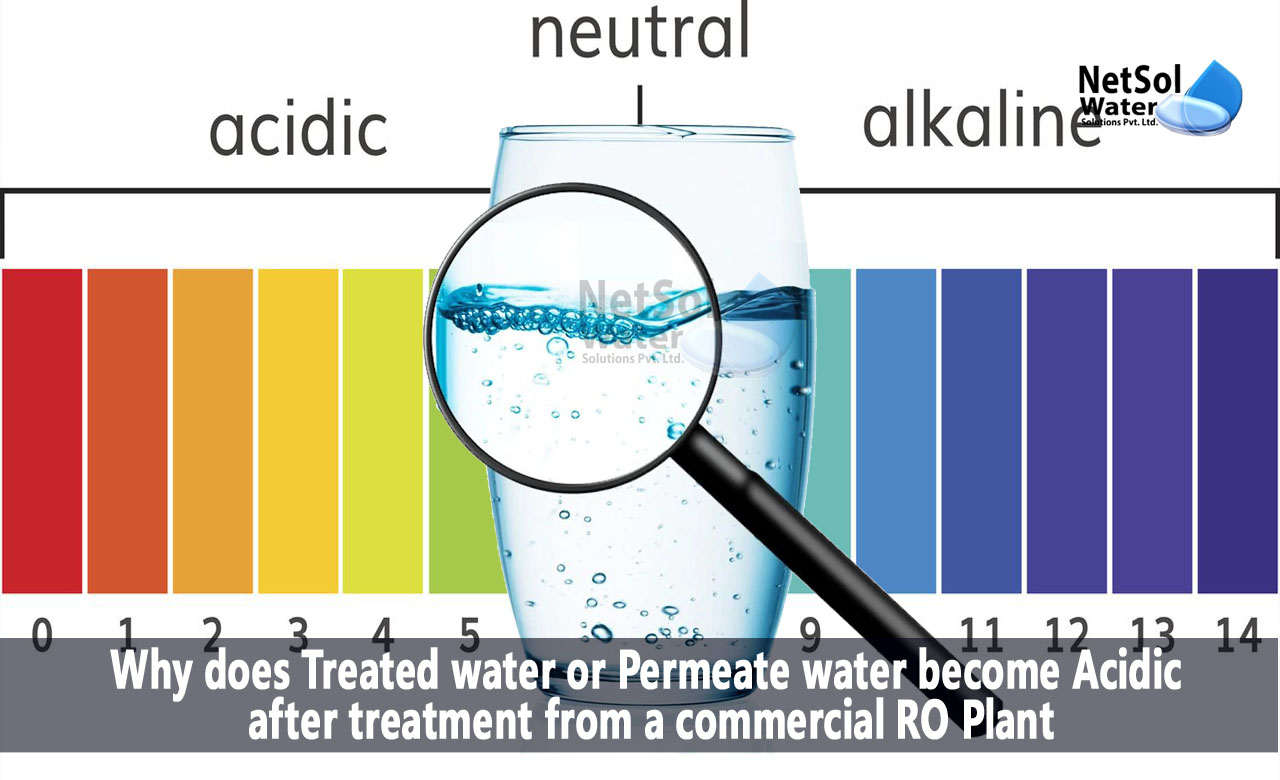 Why is RO water become acidic - Netsol Water
You can even debate with friends: “Does RO water taste ‘flat’ because of pH, or because of missing minerals?” Hint: It’s mostly the minerals. You’ll be the life of the (very niche) party.
The Big, Uplifting Truth
Understanding the pH of RO water isn’t about being perfect—it’s about curiosity. It’s a tiny detail that connects you to the invisible world of chemistry, air, and even your own taste buds.
So go ahead: test your water, play with it, and smile knowing you’re one of the cool people who actually knows why that little number changes. Life is too short for boring water.
Keep asking questions like this. They turn a simple glass of water into a story—one that’s pure, refreshing, and totally yours. Cheers to that!
