How To Clear Up Well Water

So, you’ve got a well. That’s pretty cool, right? You’re basically your own water utility, tapping into the earth’s hidden reservoir. But sometimes that water comes out lookin...
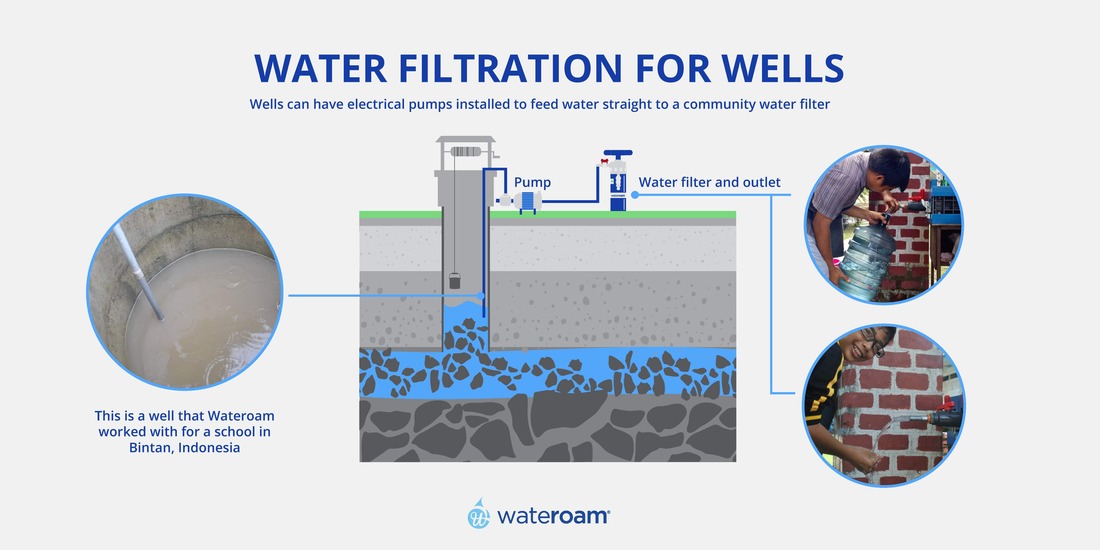
So, you’ve got a well. That’s pretty cool, right? You’re basically your own water utility, tapping into the earth’s hidden reservoir. But sometimes that water comes out looking like it’s been mud-wrestling, or tasting like a mouthful of pennies. Ever wonder why your morning coffee suddenly has a metallic kick?
Welcome to the world of well water, where the ground is your filter—and sometimes, it needs a little help. Don’t stress, because clearing up cloudy or funky well water is totally doable. It’s like giving your home’s hydration system a spa day.
First, Let’s Play Detective
Before we start dumping stuff in, let’s figure out what’s going on. Is your water cloudy like a shaken snow globe, or is it clear but smells like rotten eggs? Each clue points to a different culprit.
Must Read
Cloudy water that clears after a minute? That’s usually just air bubbles—totally harmless, like soda fizz. But yellow or reddish water? That’s usually iron, and it can stain your sink like a rusted truck.
And that rotten egg smell? That’s hydrogen sulfide gas, which sounds scary but is just bacteria reacting with stuff in the ground. Kinda gross, but fixable.
The Classic Fix: Shock Chlorination
Think of this as the nuclear option for a dirty well. You pour bleach directly into the well casing, let it sit overnight, and then flush it all out. Sounds simple, right?
Why is this cool? Because you’re basically disinfecting your entire underground water system, like a giant mouthwash for your aquifer. It kills bacteria, iron bacteria, and even some sediment.
A word of caution: you have to run all your taps until the bleach smell is gone. Your laundry might smell like a pool for a day, but hey—clean water is worth it.
Filters: Your Water’s Personal Bouncer
If shock chlorination is a one-time party, filters are the bouncers that stay at the door. Sediment filters catch sand, silt, and rust chunks. They look like big plastic cartridges, and you swap them out every few months.
 How To Make Muddy Water Clear at Lillie Authement blog
Then there are carbon filters, which are like magic sponges for taste and odor. They grab chlorine, sulfur, and that weird “earthy” flavor. Ever tasted a creek? Yeah, carbon filters fix that.
For heavy metals like iron and manganese, you need a water softener with a special resin. It’s basically a magnet for rust, swapping it out for harmless sodium. Your coffee will thank you.
The UV Light Trick
Here’s where it gets sci-fi: you can blast your water with ultraviolet light. A UV filter zaps bacteria, viruses, and parasites without adding any chemicals. It’s like a tanning bed for your water, but way more hygienic.
You install it on the main water line, and it runs silently in the background. No taste, no smell, just pure water that’s been kissed by light. How cool is that?
Just remember: UV only works on clear water. If your water is muddy, the light can’t penetrate. So pair it with a sediment filter for the best results.
Green Fix: Aeration Systems
For iron and sulfur, aeration is the naturalist’s dream. It works by bubbling air through your water, which causes the minerals to oxidize and fall out. Think of it like shaking a bottle of soda, but the bubbles are cleaning, not fizzing.
These systems look like a small tank with a vent. They’re energy-efficient and don’t use chemicals. Your water ends up tasting like fresh spring rain, without the mud.
 Highly vulnerable water sources | ontario.ca
Plus, it’s fascinating to watch—the water dances with bubbles before it settles clear. Science in your basement!
When to Call the Pros
Sometimes, even the DIY spirit needs a break. If your water stays murky after all your efforts, or if you notice slime in your toilet tank, it might be time to call a well specialist. They can do a full water test and install a custom system.
Think of them as water detectives with fancy gadgets. They’ll measure pH, hardness, bacteria, and even radioactive stuff (yes, it’s a thing). Better safe than sorry.
And hey, if you have a neighbor with crystal-clear well water, ask them what they use. Well owners love to talk about their water—it’s a secret society of sorts.
The Takeaway
Clearing up well water isn’t rocket science; it’s more like gardening. You figure out what’s growing, then give it the right tools. Cloudy is fixable. Smelly is fixable. Even red water has a solution.
The best part? You gain a deep appreciation for where your water comes from. Every glass is a sip of the Earth’s hidden streams, filtered by ancient rocks. So embrace the mystery, grab some bleach or a carbon filter, and drink up.
Your well water is a little wild, a little raw, and totally yours. That’s pretty cool, don’t you think?
