How To Pick Water Softener

Let’s be honest: water softeners aren’t exactly the sexiest topic at brunch. You’re more likely to be debating oat milk vs. almond milk than the hardness of your H2O. But here...
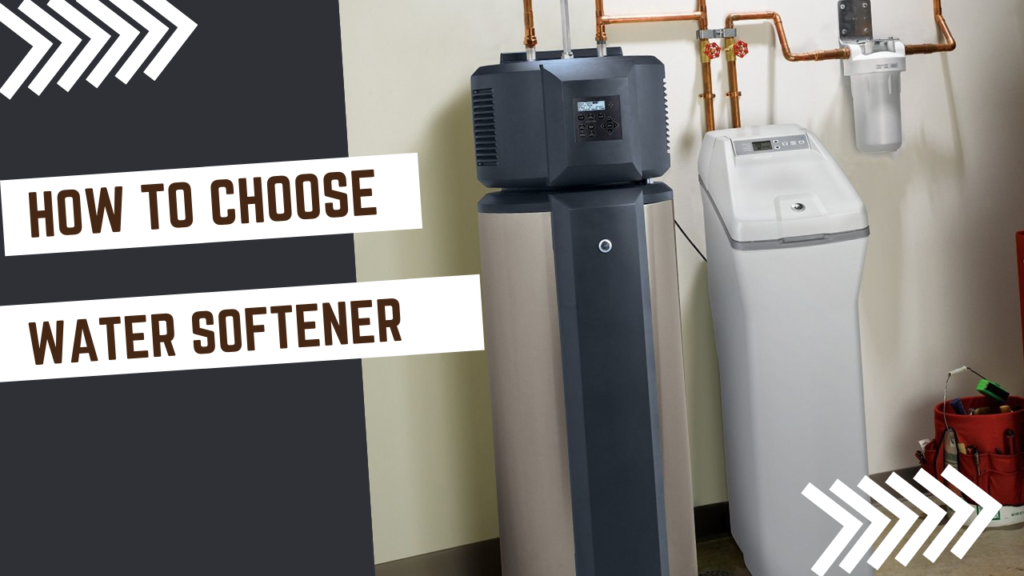
Let’s be honest: water softeners aren’t exactly the sexiest topic at brunch. You’re more likely to be debating oat milk vs. almond milk than the hardness of your H2O. But here’s the thing—if your tap water leaves your skin feeling like a desert and your dishes looking like a Jackson Pollock painting of spots, it’s time to get serious.
Think of it as a lifestyle upgrade, not a chore. A good water softener is like that silent friend who makes everything run smoothly—your soap lathers better, your hair feels silkier, and your kettle stops looking like a mineral graveyard.
The Hard Truth About Hard Water
First, a quick reality check: hard water is packed with calcium and magnesium. If you live in a region where the water is hard, you’re essentially showering in liquid chalk. It’s not dangerous, but it’s annoying—like wearing a sweater that’s slightly too tight all day.
Must Read
A water softener works by swapping those hard minerals for sodium or potassium ions. The result? Water that feels softer on your skin and kinder to your pipes. It’s the mundane magic that turns a bad hair day into a good one.
Salt-Based vs. Salt-Free: The Quartet of Choices
You’ve got four main types, and choosing one is a little like picking a coffee order—it says something about your personality. Salt-based ion exchange is the classic espresso shot: reliable, effective, and a bit traditional. It removes hardness completely, but you’ll need to haul 40-pound bags of salt home.
Salt-free systems don’t actually remove minerals; they condition them so they don’t stick. Think of it as a chill matcha latte—gentler, less intense, and great if you’re watching your sodium intake. They’re low maintenance, but they won’t fix super hard water.
Then there are magnetic and electronic descalers. These are the kombucha of the group—trendy, debatable, and sometimes you’re not sure if they actually work. They use a magnetic field to alter mineral structure, but most plumbers will give you a skeptical eyebrow raise.
Grain Capacity: Don’t Overthink It, But Do Think It
Every softener has a grain capacity—how many grains of hardness it can remove before regenerating. It’s like the water bottle of your dreams: too small, and you’re constantly refilling; too large, and you’re just carrying extra weight.
For a family of four with average water use, aim for 32,000 to 40,000 grains, says the Water Quality Association. If you’re a solo dweller or a couple, 24,000 grains might be your sweet spot. This is the part where you don’t want to be that person who buys a monster system for a tiny apartment.
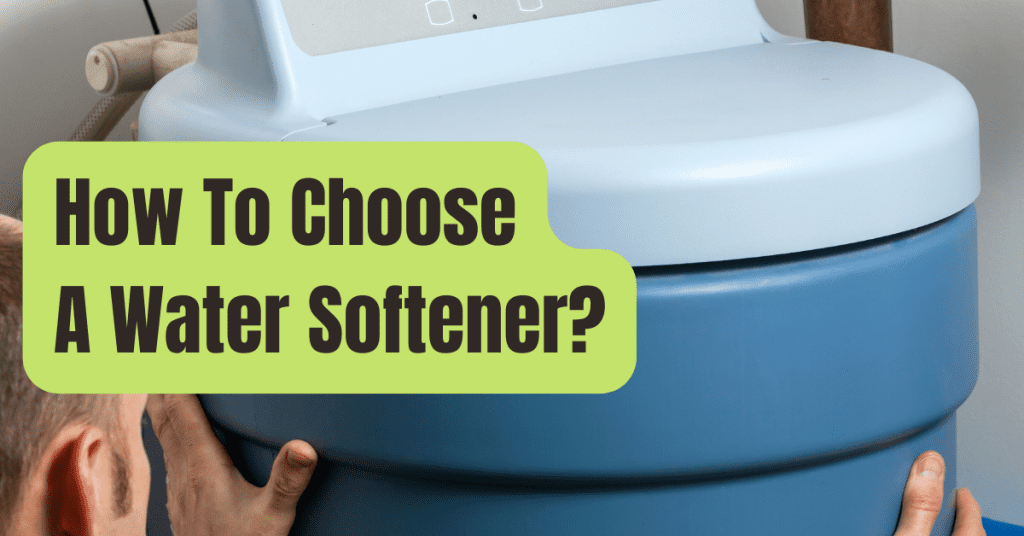 How To Choose A Water Softener - RVing Beginner
Flow Rate: Plumber Speak for “How Fast?”
Flow rate is measured in gallons per minute (GPM). Your softener needs to keep up with your household’s peak demand—like when you’re showering and running the dishwasher at the same time. Pro tip: Look for a system that handles at least 10-12 GPM for a standard home.
If your water pressure drops to a sad trickle during your morning rinse, you’ve bought a softener that’s too small. It’s like ordering a Mini Cooper to move a sofa—cute, but inefficient.
Certifications: The Fashion Label of Water Softeners
Not all softeners are created equal, and you don’t want a knock-off. Look for NSF/ANSI Standard 44 certification, which ensures the system actually works and doesn’t leak toxic stuff into your water. It’s like buying a raincoat that’s actually waterproof—not just water-resistant in a drizzle.
Also check for the WaterSense label, which means the system is efficient with water during regeneration. You’ll save a few bucks and the planet. Very Instagrammable for your sustainable living feed.
Maintenance: It’s a Relationship, Not a Fling
A water softener needs love. Salt-based systems require you to check the brine tank every month and add salt. If you’re the type who forgets to water plants, this might be a problem. Digital reminders are your friend.
Salt-free systems are more hands-off, but they still need a filter change every six months. Think of it as the difference between having a cat (independent) vs. a golden retriever (affectionate but high-maintenance). Choose your energy level.
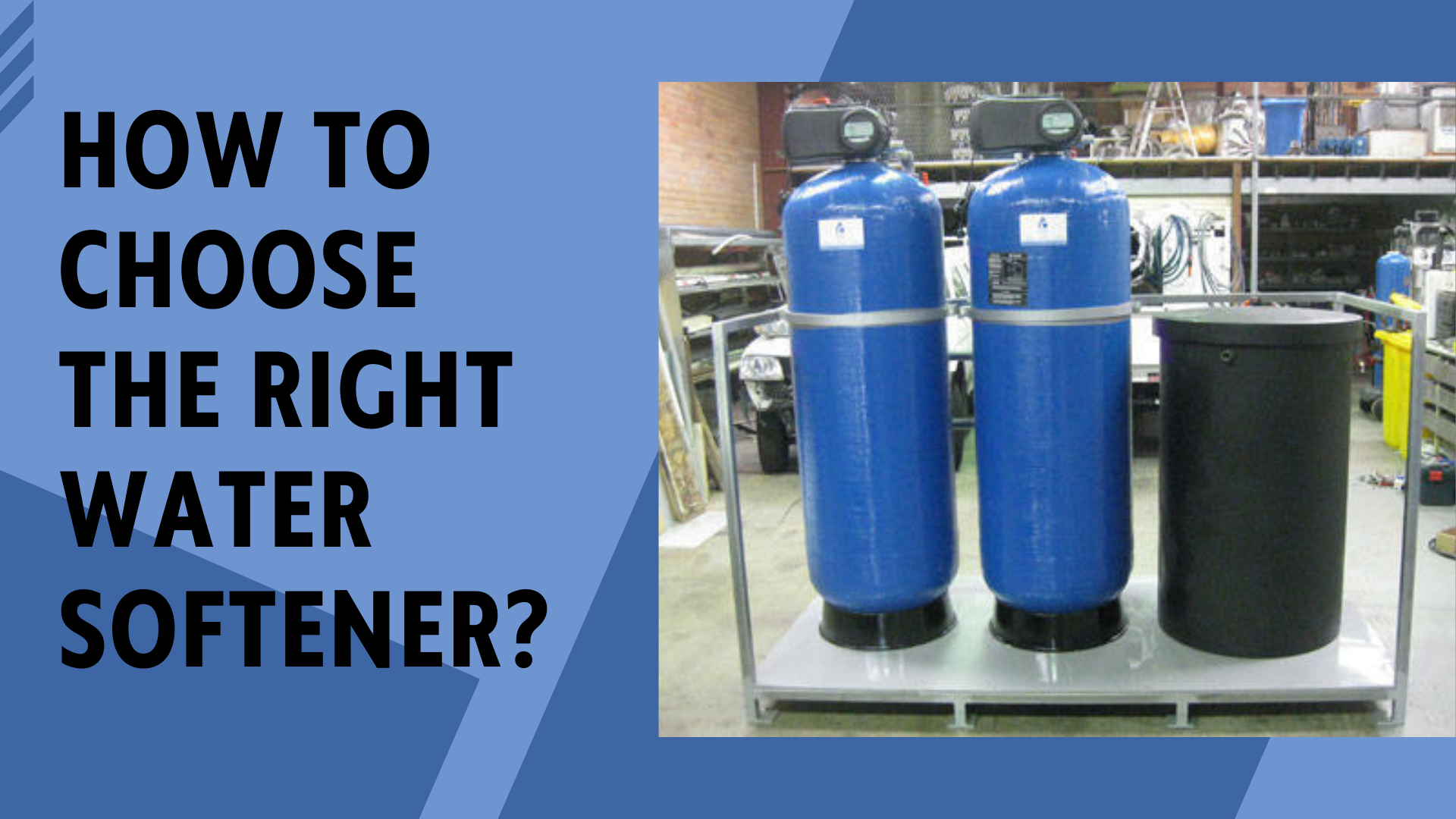 How to Choose the Right Water Softener? (Fulfill Needs) - CharlieTrotters
The Installation Dance: DIY vs. Pro
If you’re handy with a wrench and have watched a YouTube tutorial, you can install a softener yourself. Most units come with simple quick-connect fittings. But if the thought of soldering copper pipes makes you sweat, shell out for a plumber. It’s cheaper than a flood in your basement.
Fun fact: The average cost to hire a pro is between $200 and $600. That’s less than a weekend trip to the coast, and your skin will thank you every day.
Three Fun Facts to Impress Your Friends
Did you know that hard water can shorten the lifespan of your water heater by up to 25%? It’s like throwing sand into a machine. Also, ancient Romans used lead pipes—so we’ve come a long way from toxic metal to soft, silky showers.
And finally, the phrase “hard water” dates back to the 1800s, when laundry did not become clean and the water was literally “hard” on clothes. Your grandmother probably had strong opinions about this.
The Final Pour
Choosing a water softener is not a life-defining decision, but it is a quality-of-life decision. You’ll notice the difference in your morning shower—your skin feels like it’s been kissed by a cloud, not scraped by a brick. Your coffee maker stops growing weird crystals, and you stop buying dry shampoo to hide the fact that your hair feels brittle.
In a world that moves too fast, your water softener is a quiet ally. It makes one small part of your day feel effortless, like finding a parking spot right out front or a barista who remembers your name. And honestly, isn’t that the sort of gentle luxury we all deserve? So go ahead—pick your softener, and let the water run smooth.
