How To Get My Water Tested

You know that moment when you fill a glass from the tap and it smells a little like a swimming pool? Or maybe it tastes like you just licked a penny. I had that exact experien...
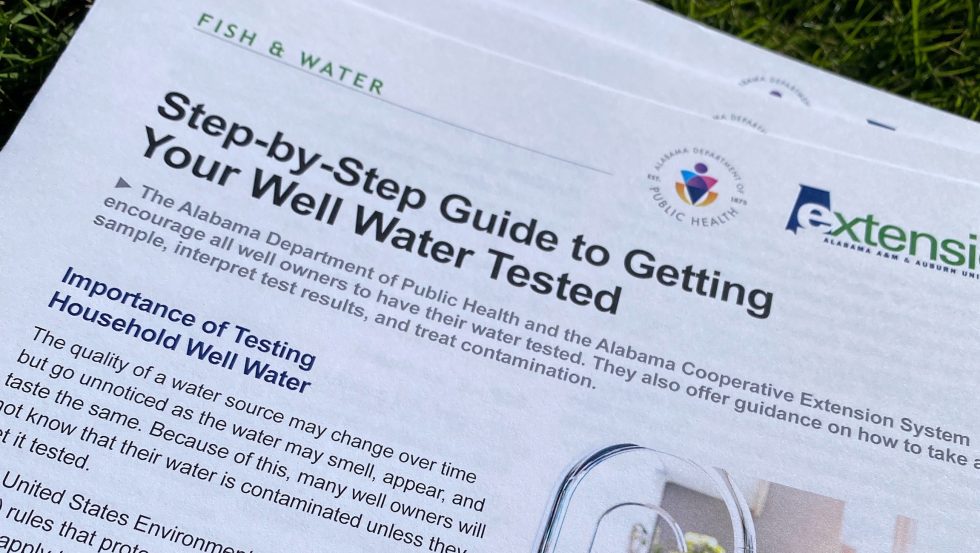
You know that moment when you fill a glass from the tap and it smells a little like a swimming pool? Or maybe it tastes like you just licked a penny. I had that exact experience last Tuesday, and I stood there wondering, “What’s actually in this water?”
Let’s be real: we trust our water more than we trust our Wi-Fi signal. But that trust should come with a tiny bit of curiosity. Getting your water tested isn’t for scientists in lab coats—it’s for you, right at your kitchen sink.
Why Bother? (Besides the Weird Taste)
Imagine your water is like a mysterious stranger you invite over for coffee every day. You wouldn’t shake hands with a stranger without a little background check, right? Testing your water is just a friendly background check for your tap.
Must Read
Sometimes, water can pick up surprises from old pipes, local farms, or even your own water softener. That funny orange stain on the toilet bowl? That’s not decoration—that’s a clue. A simple test can tell you if it’s just harmless iron or something that needs attention.
You don’t need a chemistry degree. You just need the right steps and a little gumption. Your family’s health, skin, and even the life of your coffee maker will thank you.
The “Who” of the Matter
So, who do you call? Your local water utility is your first best friend. Every year, they send out a Consumer Confidence Report (CCR)—a big document that most people toss in the recycling bin.
Don’t toss it! That report tells you what’s in the water before it leaves the treatment plant. But here’s the catch: it won’t tell you what happens inside your own pipes. Your house’s plumbing is a whole different story.
For that, you need a state-certified laboratory. These folks are the real experts, and they’re usually just a quick online search away. A simple Google for “water testing lab near me” will get you started.
The Easy Steps to Get It Done
First, grab a clean glass of water. Taste it, smell it, and look at it under a bright light. Is it cloudy? Does it leave a film on the glass? Jot down your observations—this helps you decide what to test for.
 Different Ways To Test Water Quality at Jeremiah Jobe blog
Next, call your local health department. They often have free or low-cost testing kits for basic things like bacteria, nitrates, and lead. It’s like getting a coupon for peace of mind.
If you want the full picture—testing for minerals, pesticides, or heavy metals—buy a home test kit from the hardware store. They’re about $20 and come with little bottles and instructions that even I can follow.
Fill the bottle exactly as the label says. No overfilling, no splashing. It’s like following a pancake recipe: precision matters, but it’s not rocket science. Then, mail it to the lab in the pre-paid box. Easy as Sunday morning.
What the Results Mean (Without Meltdowns)
Your results will arrive on a piece of paper with numbers and abbreviations. Don’t panic if you see “ppm” or “mg/L”—that’s just science-speak for “parts per million.” The key is to compare your numbers to the EPA’s maximum limits, which are usually listed right on the sheet.
If something is high, like lead or coliform bacteria, don’t freak out. Take a deep breath. Then, call a plumber or your local water authority for advice. Remember: knowledge is power, not panic.
Most results come back totally fine. You’ll discover your water is actually pretty great, and that funny taste was just your imagination—or maybe a new batch of coffee beans. Either way, you win.
 How to Test Water Quality at Home: Your Complete Guide – World Water
When to Test Again (Yes, It’s a Thing)
Water changes over time. Think of it like the weather: just because it’s sunny today doesn’t mean it won’t rain tomorrow. Test your water at least once a year, especially if you have a well or if you’ve recently replaced any pipes.
Also, test after big local events. Did a construction crew dig up your street? Did a nearby farm have a chemical spill? Those things can sneak into your groundwater. Your glass of water deserves a check-up after such excitement.
One more hint: if your water suddenly changes color, smell, or taste, grab a test kit immediately. That’s your water’s way of raising its hand and saying, “Hey, I need attention!”
The Warm and Fuzzy Payoff
When you finally get that test result, and everything is of good quality, you’ll feel a little rush of pride. You did the work. You took a mysterious, everyday thing and made it clear and safe.
And honestly, isn’t that the best kind of adulting? You don’t have to fix every problem yourself. You just have to know what’s going on. One test, one trusty lab, and you’re the hero of your own hydration story.
So tomorrow morning, when you pour that first glass of water, you’ll smile. Not because it tastes perfect—but because you know it is. Cheers to that, friend.
