How To Find Water Supplier

So, picture this: I’m standing in my kitchen, staring at a muddy trickle coming out of the tap, and my dog is giving me that look—the one that says, “You call this a water sup...
So, picture this: I’m standing in my kitchen, staring at a muddy trickle coming out of the tap, and my dog is giving me that look—the one that says, “You call this a water supply?” My neighbor, bless his heart, had just accidentally hit our shared main line with a shovel. Panic mode: activated. I didn’t even know where to start looking for a temporary water supplier, and let me tell you, Googling “water delivery near me” at 7 PM on a Sunday feels a lot like begging the universe for a miracle.
We all take clean water for granted until it’s gone. Then, suddenly, finding a reliable water supplier becomes your entire personality. Whether you’re dealing with a burst pipe, a new construction site, or just want bulk water for your garden oasis, the quest can feel overwhelming. But I’ve done the dirty work (sometimes literally) so you don’t have to. Let’s break down how to find the right water supplier without losing your mind.
Know Your “Why” Before You Dive In
Are you looking for potable (drinkable) water for your home, or non-potable water for irrigation or construction? This is the first fork in the road, and getting it wrong is a disaster. I once ordered non-potable water for a party—thankfully, I caught it before anyone took a sip, but my ego took a hit.
Must Read
Your volume matters too. Need a single 5-gallon jug for your office cooler? Or a 2,000-gallon tanker for a job site? Suppliers specialize in different scales, so be honest about your needs. Don’t be that person who calls a bulk hauler for a jug of water—they’ll laugh, and then you’ll feel small.
Also, check your local regulations. Some areas require permits for large water deliveries, especially if you’re filling a pool or a cistern. A quick call to your city hall can save you from a very awkward conversation with a grumpy inspector later.
The Hunt: Where to Look
Start with the obvious: Google Maps and local business directories. Search for “water delivery service” plus your city name, but don’t just click the first ad. Look for companies that have been around for a few years—newbies might not have the equipment or reliability yet.
Next, ask your neighbors or local Facebook community groups. Nothing beats a real human saying, “Yeah, I use Bob’s Water, and he shows up on time even when it’s hailing.” Word-of-mouth is pure gold here. I found my current supplier because a cranky old man at the hardware store grunted, “Call Jim’s Water. They’re not idiots.” Best recommendation ever.
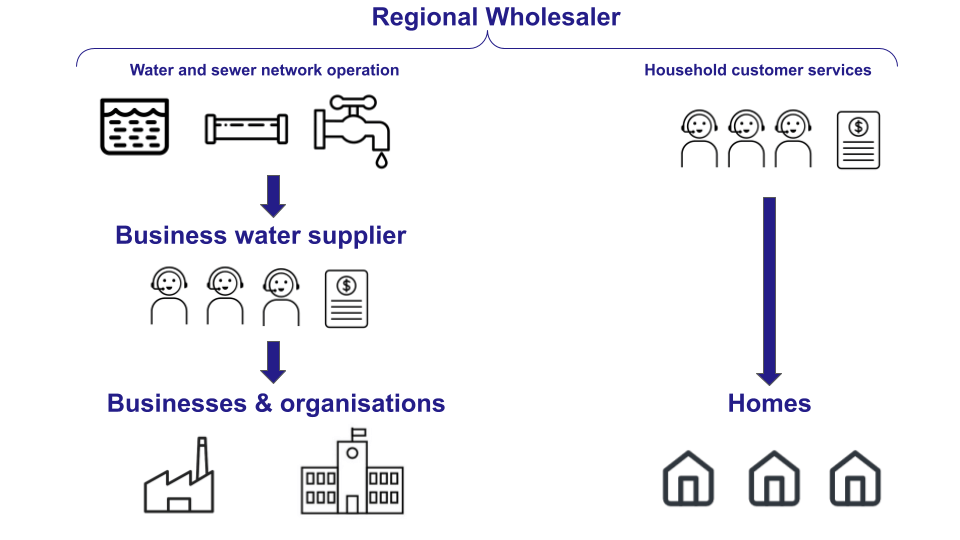
 Check Your Business Water Supplier UK | Utility4Business
For commercial or bulk needs, call local well-drillers or construction supply companies. They often have side gigs delivering water and know the local water quality issues. You might even find a supplier who will test your water for free as a customer perk—which is like finding a $20 bill in an old coat.
Red Flags and Green Lights
When you’re on the phone with a potential supplier, listen for evasion. If they can’t tell you the exact source of their water (municipal, well, spring), run. “It’s from a certified source” isn’t good enough—ask for the certification number. A reputable supplier will happily brag about their water’s purity.
Check for insurance and licensing. Some amateur operators will fill a tank from a friend’s hose and call it a business. That’s a health risk waiting to happen. A pro will have liability insurance and a valid water-hauling permit from your state’s environmental agency. Don’t be shy—ask for proof. If they get offended, they’re probably hiding something.
Finally, compare pricing structures. Some charge by the gallon, others by the trip, and some add hidden fees for “emergency service” or “distance.” Get a written quote. One supplier quoted me $150 for 500 gallons, then hit me with a $75 “rural delivery surcharge” because I lived a mile off the main road. Yeah, I didn’t call them back.
The Delivery Day: What to Expect
On delivery day, clear a path to your tank or connection point. Suppliers often have huge trucks that will crush your prized petunias if you’re not careful. I learned this the hard way—RIP, little flowers.
 Water Supply System Diagram at Tiffany Baker blog
Watch them set up the hose. They should use a backflow preventer to avoid contaminating your system. If they don’t, stop them immediately. That’s non-negotiable. And taste a glass before you fill your whole tank—sometimes the water has a metallic or plastic flavor from a new hose, and you’d rather know now than after you’ve watered your entire vegetable garden with it.
Pay after delivery, not before. A legitimate supplier will take payment on-site. If they demand full payment in advance, that’s a huge red flag—unless it’s a massive commercial order and you’ve done business with them before. Trust your gut.
Building a Long-Term Relationship
Once you find a good supplier, treat them like gold. If they show up early, tip them or at least say thanks. I keep a bottle of cold Gatorade in my fridge for my water guy, and he always gives me a slight discount now. It’s weird, but it works.
Sign up for their regular delivery schedule if you can. Many suppliers offer a subscription service for homes with cisterns or rural properties. That way, you never have to panic-call on a Sunday again. Plus, it usually comes with a price break.
And finally, review them online—good or bad. Your 3-sentence review could save another desperate soul from a muddy trickle and a judgmental dog. You’re welcome in advance.
