How To Get Deionized Water

Last week, I tried to make a cup of tea using water from my office’s suspicious-looking cooler. The result? A murky brew that tasted like a wet sock wrapped around a penny. I...
Last week, I tried to make a cup of tea using water from my office’s suspicious-looking cooler. The result? A murky brew that tasted like a wet sock wrapped around a penny. I stared at the cup, sighed, and realized: I needed deionized water.
You might not be brewing sock-tea, but if you’re into lab work, fish tanks, or even car batteries, you’ve probably hit the same wall. Regular tap water is packed with minerals—calcium, magnesium, sodium—that mess with experiments and leave crusty white deposits everywhere. Deionized (DI) water is the clean freak of the water world: stripped of all those charged ions, leaving you with pure H₂O.
So, How Do You Actually Get It? (Without Sacrificing Your Soul)
First, let me be real: you can’t just boil water or run it through a Brita. That removes some stuff, but not the dissolved ions. To get true deionized water, you need to kick those charged particles out—and there are a few ways to do it.
Must Read
Option 1: Buy It (The Lazy Way)
Honestly, this is the most practical move for 90% of people. Head to your local grocery store or pharmacy and grab a gallon of “distilled water.” Wait—is that the same thing? Not exactly, but distilled water is often close enough for most home uses. Distillation removes ions by boiling and condensing, but it’s slower and less thorough. For serious lab-grade DI water, you’ll want to order from a chemical supplier—or check your auto parts store, where they sell it for batteries.
Your wallet will feel it. A gallon of DI water can run you $5–15, and if you use it daily, you’ll burn through cash faster than I burn toast.
Option 2: Use a DI Resin Filter (The DIY Hero)
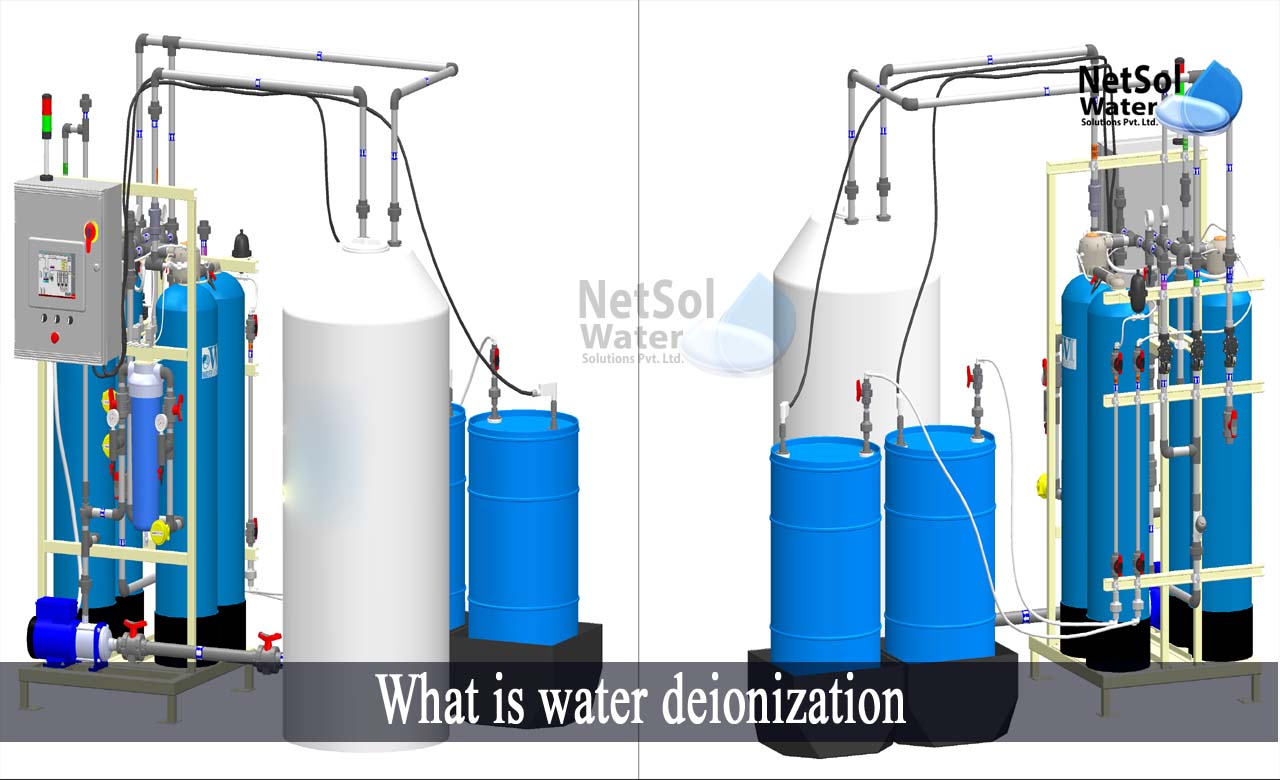
This is my favorite trick. You buy a deionization filter cartridge (think: a big tube filled with special beads). These beads grab onto positive and negative ions like they’re at a chemical party. You hook the cartridge up to your tap or a hose, and out comes pure water. Prices start around $20 for a basic kit, and one cartridge can treat 100–200 gallons, depending on your water’s grossness.
 Home Water Deionizer - Homemade Ftempo
The catch? You have to replace the beads once they’re saturated. If you ignore the warning color change, you’ll end up with “deionized” water that’s actually just tap water with a bad attitude.
Option 3: Build a Reverse Osmosis + DI System (The Overachiever)
For you hardcore aquarium nerds or chemistry enthusiasts: get a reverse osmosis (RO) system and pair it with a DI stage. RO pushes water through a membrane that filters out most junk, then the DI polish removes the rest. This setup costs $100–300 upfront, but you’ll get crazy pure water on demand. I built one for my saltwater tank, and my corals still look happier than I do on a Monday morning.
Installation is doable with basic tools—just expect some swearing when you accidentally cross-thread a hose. (Don’t ask how I know that.)
 how to make deionized water - FAQ - Taiyuan Lanlang Technology
What NOT To Do (Because I’ve Messed Up)
Don’t try to make DI water by freezing it. Ice preferentially freezes pure water, leaving salts behind—but that’s a slow, inefficient mess. Also, don’t use that “zero water” pitcher claiming to deionize. It works for a bit, but the filter jams fast and then it dumps everything back into your glass.
And please, for the love of all that is clean, don’t drink deionized water like it’s your new wellness trend. It’s so pure that it leaches minerals out of your body if you guzzle it. I learned this the hard way after a week of “hydration” left me with weird muscle cramps. Use it for equipment, not for your kidney.
Real Talk: Is It Worth the Struggle?
Here’s the irony: deionized water is boring—it tastes flat, leaves nothing on your tongue, and has zero personality. But that’s exactly why it’s perfect for cleaning electronics, topping off batteries, or running pH tests. For everything else? Just drink tap water and thank your municipal treatment plant.
So whether you buy it, filter it, or build a sci-fi contraption, remember: you’re not just getting water—you’re getting power over the annoying ions that made that tea taste like a loser. Now go make some pristine H₂O and drink to your victory. (With a different cup, obviously.)
