Why Does My Hair Feel Dry

Ever run your fingers through your hair and feel… straw? Not the soft, bouncy stuff you see in ads, but something that crinkles and snags. It’s a weirdly personal mystery, rig...

Ever run your fingers through your hair and feel… straw? Not the soft, bouncy stuff you see in ads, but something that crinkles and snags. It’s a weirdly personal mystery, right? Your hair doesn’t have nerves, so it can’t feel pain, but it sure knows how to make you feel something.
Let’s be real: dry hair is basically a tiny drama happening on your head. And like any good drama, it has a few key villains. The cool part? Understanding them makes you feel like a hair detective.
The Great Moisture Game
First, let’s talk about what hair actually is. Think of each strand as a little tree trunk. The outer layer (the cuticle) is like the bark—flat, smooth scales that lock in moisture. When it’s healthy, those scales lie flat and shine like a well-made roof.
Must Read
But life happens. Heat, wind, washing, and even your shampoo can flip those scales up. Now your “bark” is rough, and all the good stuff inside—natural oils called sebum—escapes into thin air. Poof. Dryness.
Why is this so interesting? Because your hair is basically a passive sponge. It can’t drink water, but it can hold it in its structure. When that structure is broken, it’s like a leaky bucket. You might dump in conditioner, but it just runs out.
So, What’s the Real Villain?
Is it the weather? Totally. Hot summer sun or winter’s dry heating can suck the life out of your strands like a vampire at a juice bar. But the sneakiest culprit? Your own routine. Wash your hair too often, and you strip away the natural fats your scalp worked hard to produce. It’s like washing a cast-iron pan with soap every day—eventually, it rusts.
And let’s not forget the heat tools. That blow-dryer, straightener, or curling iron? They’re basically tiny ovens. You’re baking the water right out of your hair cuticle. Ever seen a piece of toast go from soft to crunchy? That’s your hair at 400 degrees.
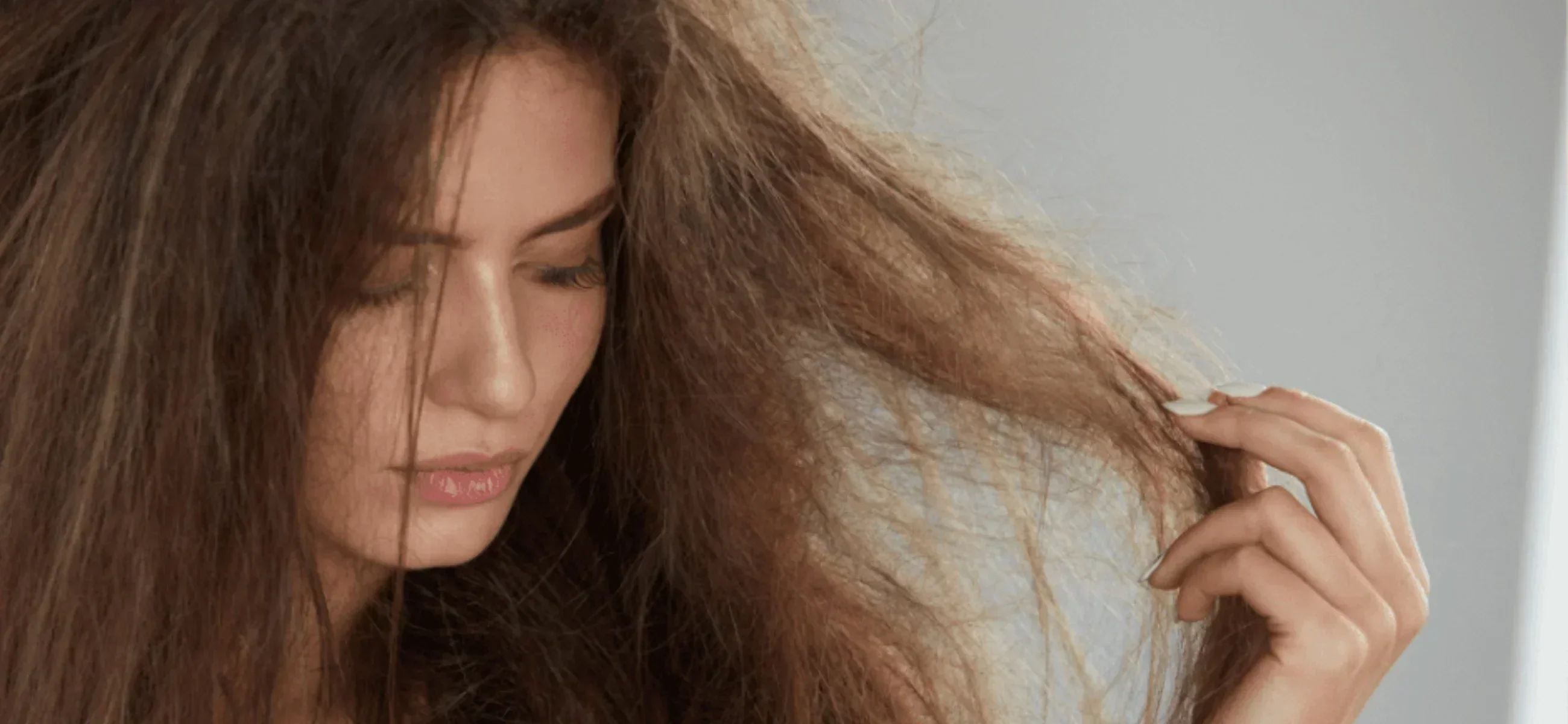 Why does my hair take so long to dry? Causes & solutions – Laifen-US
The Hard Water Plot Twist
Here’s a fun fact you might not expect: the water itself could be the problem. If you live in an area with hard water (full of minerals like calcium and magnesium), it coats your hair like a film. That film prevents moisture from getting in, leaving it feeling stiff and sad. It’s like wrapping your hair in cling wrap and then wondering why it can’t breathe.
You can test for this yourself. Does your hair feel squeaky clean after shampooing? That “squeak” isn’t good—it means the cuticles are rough and scraping together. Squeaky = thirsty.
Okay, But Is It Cool?
Actually, yes. The science of dry hair is a physics and chemistry lesson happening on a microscopic level. Hair is made of a protein called keratin, held together by hydrogen bonds. Water sneaks between these bonds and makes hair flexible. When you lose that water, the bonds lock up tight, making hair stiff. That’s why humid days make frizz (more water) and dry days make straw (less water).
It’s also why your hair behaves differently in different climates. You’re basically walking around with a personal humidity sensor on your head. Kind of amazing, right?
 Why Is My Hair So Dry? 16 Causes And 16 Treatments – Cosmetic World
The Fix Isn’t a Miracle
Here’s the chill truth: you can’t “heal” dry hair. Once the cuticle is cracked, it stays cracked (like a scratched CD). But you can smoothen it and protect it with oils, silicones, or butters. These act like a little raincoat, sealing what’s left inside.
Look for products with ingredients like argan oil or shea butter. Or try a cool rinse at the end of your shower—cold water closes those cuticle scales back down, like shutting a window before a storm. Easy, right?
And if you’re feeling lazy? Just wash less often. Let your scalp’s natural oils do their thing for a day or two. Your hair might surprise you by feeling, well, less dry.
So, Why Does Your Hair Feel Dry?
Because it’s telling you a story. A story about the water you use, the air you breathe, and the products you trust. It’s not personal—it’s just a balance of chemistry and habit. And the good news? You can become a master of that balance.
So next time you feel that straw-like texture, don’t panic. Pour yourself a glass of water (for you, not your hair), laugh at the absurdity, and try one tiny change. Your hair will thank you—or at least stop throwing a tantrum.
