What Does Low Ph Indicate

Alright, grab your mug. Let’s talk about something a little acidic today. You’ve probably seen the term low pH floating around—on pool test strips, fancy skincare bottles, or...
Alright, grab your mug. Let’s talk about something a little acidic today. You’ve probably seen the term low pH floating around—on pool test strips, fancy skincare bottles, or that soil testing kit you bought and then ignored. But what does it actually mean? Let’s break it down like we’re dissecting a weird science paper, but with less lab coats and more coffee.
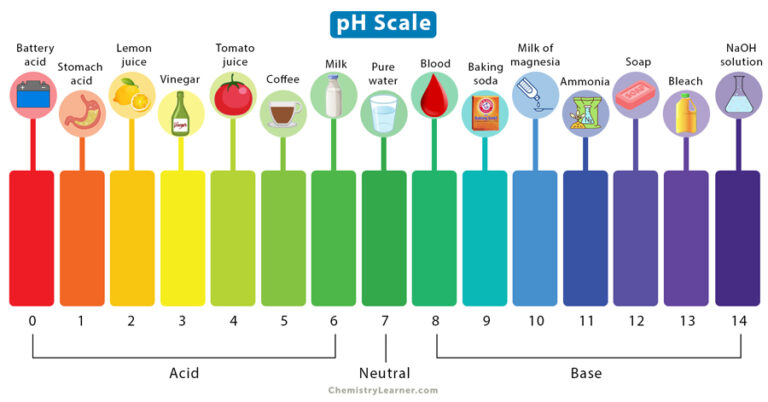
First off, pH stands for “potential of hydrogen.” Fancy, right? It’s just a scale that measures how acidic or basic (alkaline) something is. The scale runs from zero to fourteen, but low pH means you’re hanging out near the zero end. That’s the sour, stingy, “I just bit into a lemon” territory.
Think of pH as a mood ring for liquids. A low pH is like a grumpy, hyper-reactive state. It means there are a lot of hydrogen ions floating around, crashing into things like toddlers on a sugar high. The lower the number, the more aggressive those ions get.
Must Read
Okay, so where do we see low pH in real life?
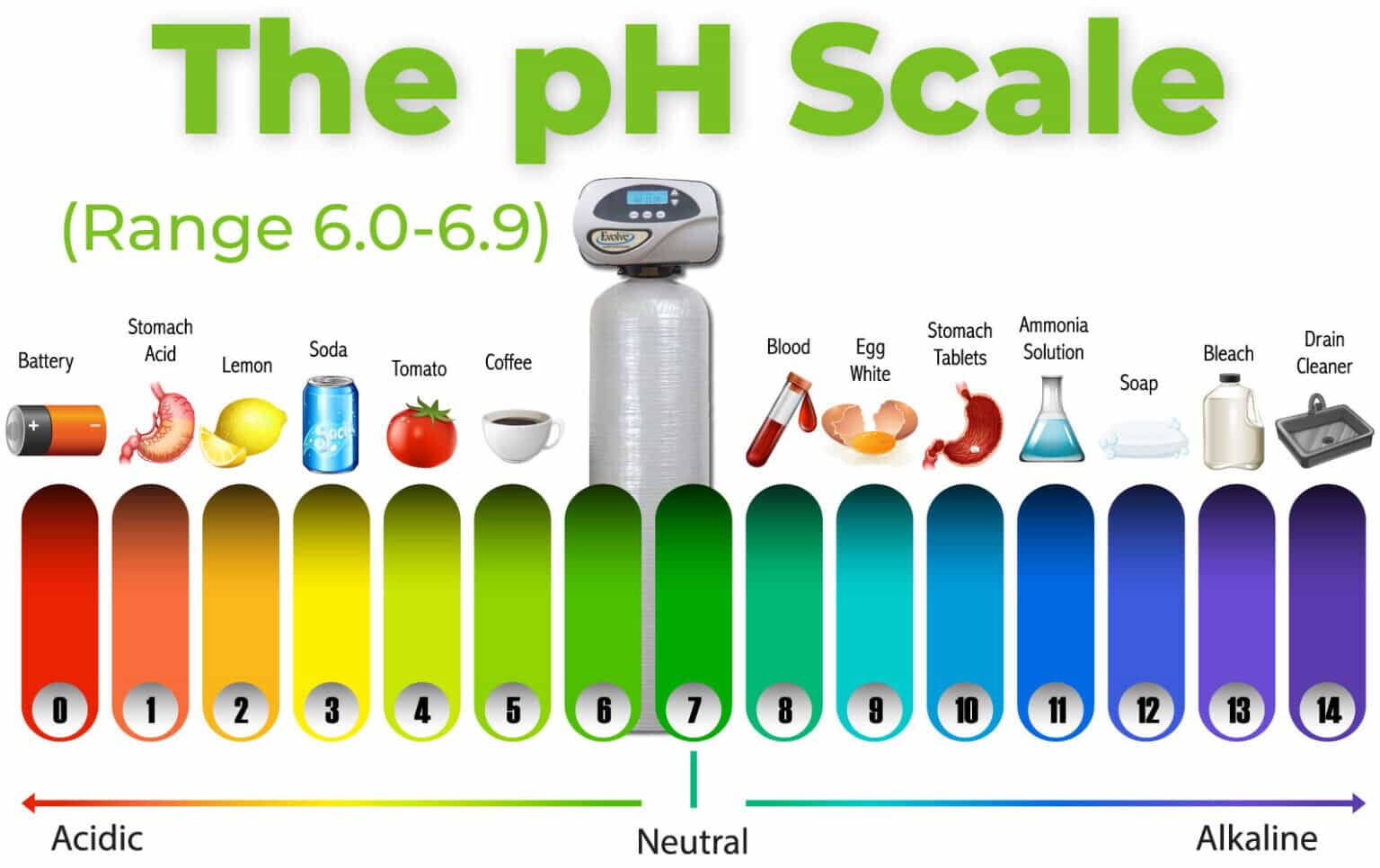
Battery acid? That’s a pH of zero. Do not taste test that. Your stomach acid is around a pH of 1-2, which is why it can dissolve a hamburger without breaking a sweat. That’s the power of low pH.
Vinegar? That’s around a 2.4. Lemon juice? Almost the same. Your morning coffee? Sitting around a 5, which is mildly acidic. So yes, you’re basically pouring a gentle acid into your face every morning. Welcome to chemistry, friend.
What does low pH mean for your body?
Let’s start with your skin. Your skin has something called an “acid mantle.” It’s a fancy way of saying your face is naturally a bit acidic (pH around 4.5 to 5.5). That low pH keeps bad bacteria from setting up a condo on your forehead. If your skin pH goes too high (too alkaline), you get dryness, breakouts, and general drama.
 Low pH - Pure Water Systems NV
That’s why your favorite toner or serum probably says “pH balanced.” It’s trying to keep your skin in that sweet, slightly acidic spot. Low pH products can actually be your skin’s best friend—as long as they’re not battery acid, obviously.
But here’s the twist: your blood has a very strict pH of around 7.35 to 7.45—slightly alkaline. If your blood pH drops even a tiny bit, it’s a medical emergency. That’s called acidosis. Your body freaks out, your breathing changes, and doctors start running. So low pH is great for your stomach, bad for your bloodstream.
What about your pool or hot tub?
If your pool water has a low pH (below 7.2), it becomes corrosive. It eats away at the metal ladder, messes up the pump, and makes your eyes sting like you’re chopping onions in there. Ouch. It also makes chlorine way less effective. So you end up with a pool that’s both corrosive and slimy. Not a vibe.
Gardeners obsess over this too. Most plants prefer a soil pH of 6.0 to 7.0. If the soil pH is too low (too acidic), plants can’t absorb nutrients. They turn yellow, get sad, and just give up. Blueberries, though? They love low pH. Like, around 4.5. They’re the goths of the fruit world.
 The pH Scale of Common Chemicals
So, what does low pH indicate in a nutshell?
It screams “there’s a lot of hydrogen activity here.” It often means something is sour, corrosive, or reactive. It can be a sign of fermentation (like in kimchi or sourdough) or contamination (like acid rain or a chemical spill).
In your body, low pH in urine might mean you’re eating too much meat or not enough veggies. In a river, low pH could mean pollution from mining. In a swimming pool, it means you’re a bad pool owner. Just kidding. But seriously, fix that pH.
Here’s the takeaway: low pH isn’t always bad. It’s just a number with attitude. It tells you something is active, sharp, and possibly alive. Respect it. Don’t drink it. But do use it to pickle a cucumber or keep your face clear.
Next time you see a product bragging about its low pH, you can nod wisely and say, “Ah, yes, the hydrogen ions are notably abundant.” Then take a sip of your acidic coffee and feel like a scientist. You’re welcome.
