Does Hot Water Kill Germs

So, you’ve just dropped your favorite spoon on the floor. It’s fine, you think, I’ll just run it under hot water. But wait—does that stream of steaming H2O actually nuke the g...
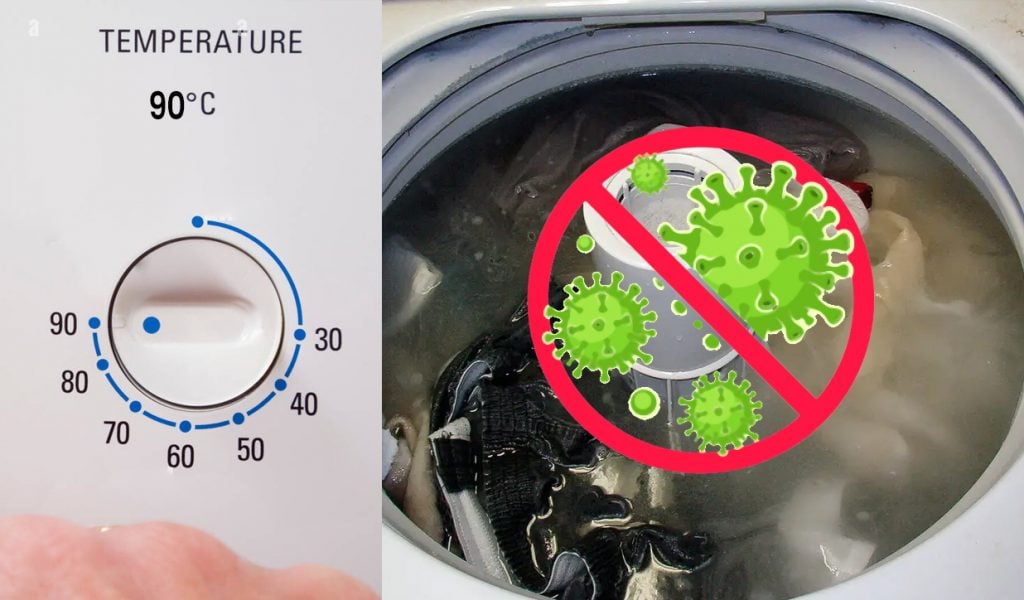
So, you’ve just dropped your favorite spoon on the floor. It’s fine, you think, I’ll just run it under hot water. But wait—does that stream of steaming H2O actually nuke the germs, or are you just giving them a warm bath and a ticket to ride? Let’s dive into this scalding question, and I promise to keep the science as bubbly and non-painful as possible.
The Burning Truth: Hot vs. Really Hot
Here’s the kicker: your kitchen tap’s “hot” water is a lazy assassin. Most household water heaters max out at around 120°F (49°C). That’s perfect for a languid soak, but for germs? That’s like sending a toddler to fight a dragon. Most bacteria and viruses die at around 140°F to 165°F (60°C to 74°C). Your tap water is basically a spa day for microbes—they might even put on tiny sunglasses.
But wait, there’s more! The USDA says that to truly kill germs, you need to expose them to hot water for at least 30 minutes at 145°F. That’s not a quick rinse; that’s a full-blown sauna session for your cutting board. And let’s be honest, nobody has time to babysit a sponge in a hot water bath while dinner burns.
Must Read
The Boiling Point: When Water Gets Serious
Now, boiling water? That’s a different beast. At 212°F (100°C), water is the Terminator of pathogens. It will hunt down most bacteria, viruses, and even the tough guys like Giardia and Cryptosporidium. Boil water for one minute (or three if you’re above 6,500 feet, because even germs get altitude sickness, apparently), and you’ve got a sterile party drink—though I wouldn’t recommend sipping it straight.
Fun fact: boiling water is so effective that it was the hero of the 1854 London cholera outbreak. Doctor John Snow (no, not the Game of Thrones one) convinced people to boil their water, and boom—the epidemic stopped. Boiling water saved lives before we even knew what a germ looked like. That’s serious street cred.
But What About Your Dishwasher?
Here’s where it gets sneaky. Your dishwasher uses water that’s about 130°F to 140°F during the main cycle, but the real magic is the dry cycle. That intense heat—often over 150°F—finishes the job. So, if you rely on hot water alone to kill germs, you’re basically trusting a lukewarm sponge to do a sniper’s work. Spoiler: it won’t. The detergent and mechanical scrubbing do most of the heavy lifting; the hot water is just the hype man.
 Water heater temperature for killing bacteria/ 140 degrees F
Think of it this way: washing your hands with hot water and soap is less about the temperature and more about the friction and soap ripping germs apart. Hot water might help loosen grease and make you feel like a clean superhero, but the cold water gang will still wash away the same number of microbes. Science says: temperature is a sidekick, not the star.
Behold, The Dishwasher Paradox
Ever notice how your grandmother insists on scalding-hot rinse water for dishes, but modern machines use cooler cycles? That’s because Grandma was fighting old-school germs with brute force. Today, we have enzymes in detergent that chow down on grime at lower temps. Hot water is mostly for our brains, not for the bacteria. It makes us feel clean, like a placebo for your kitchen sink. But hey, if it makes you happy and you’re not melting your Tupperware, go for it.
Surprising fact: some bacteria, like thermophiles, actually love hot water. They’re the kind of weirdos that hang out in Yellowstone’s hot springs, saunas, and maybe your neglected coffee maker. Boiling kills them, but your tap’s lukewarm stream? That’s their vacation home. Sorry to burst your bubble.
 Bacteria In Water
The Verdict: Is Hot Water a Germ-Killing Hero or a Sham?
Look, hot water is great for cleaning. It dissolves oils, makes soap foamier, and turns your dishes into a glossy happy place. But as a germ-killer? It’s a poser. Unless you’re using boiling water, you’re just giving the little guys a warm hug before they hop onto your salad fork. Don’t be that person.
If you want to sterilize something, go with boiling (for metal and glass), a bleach solution (for cutting boards), or a UV wand (if you’re feeling sci-fi). But for everyday handwashing? Use soap, scrub for 20 seconds (sing “Happy Birthday” twice, or if you’re grumpy, just hum the “Imperial March”), and don’t worry about the water temperature. Cold water, hot water—both work about the same. That’s a fact that feels like a betrayal, I know.
So next time you drop that spoon, give it a rinse with the hottest water your tap can muster. It won’t kill the germs, but it will make you feel like a responsible adult. And in the chaotic café of life, sometimes that’s all we need—a little warmth to trick our brains into thinking we’ve got it all figured out. Now go forth and wash your hands, you magnificent germ-carrier, you.
