Does Salt Ionize In Water

So, picture this: I’m making pasta the other night, right? I dump a generous handful of salt into a pot of cold water, give it a stir, and I swear I hear my grandmother’s voic...

So, picture this: I’m making pasta the other night, right? I dump a generous handful of salt into a pot of cold water, give it a stir, and I swear I hear my grandmother’s voice from beyond the grave: “Honey, that salt doesn’t really dissolve until the water boils.” I rolled my eyes, but then I wondered—does she have a point? Or is that just another kitchen myth we’ve all been sold?
Turns out, my grandma was half-right, but mostly wrong. Salt does indeed ionize in water, and it happens almost instantly—even in cold water. You don’t need a rolling boil to break those sodium chloride crystals apart; you just need a little liquid love.
Okay, but what does “ionize” even mean?
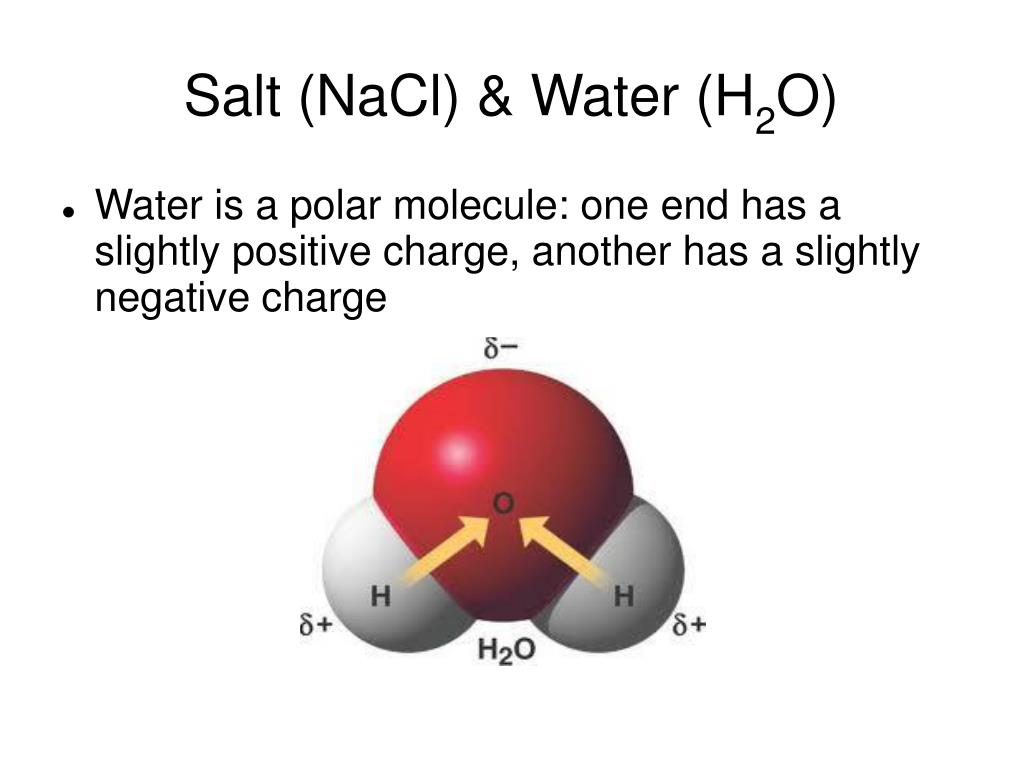
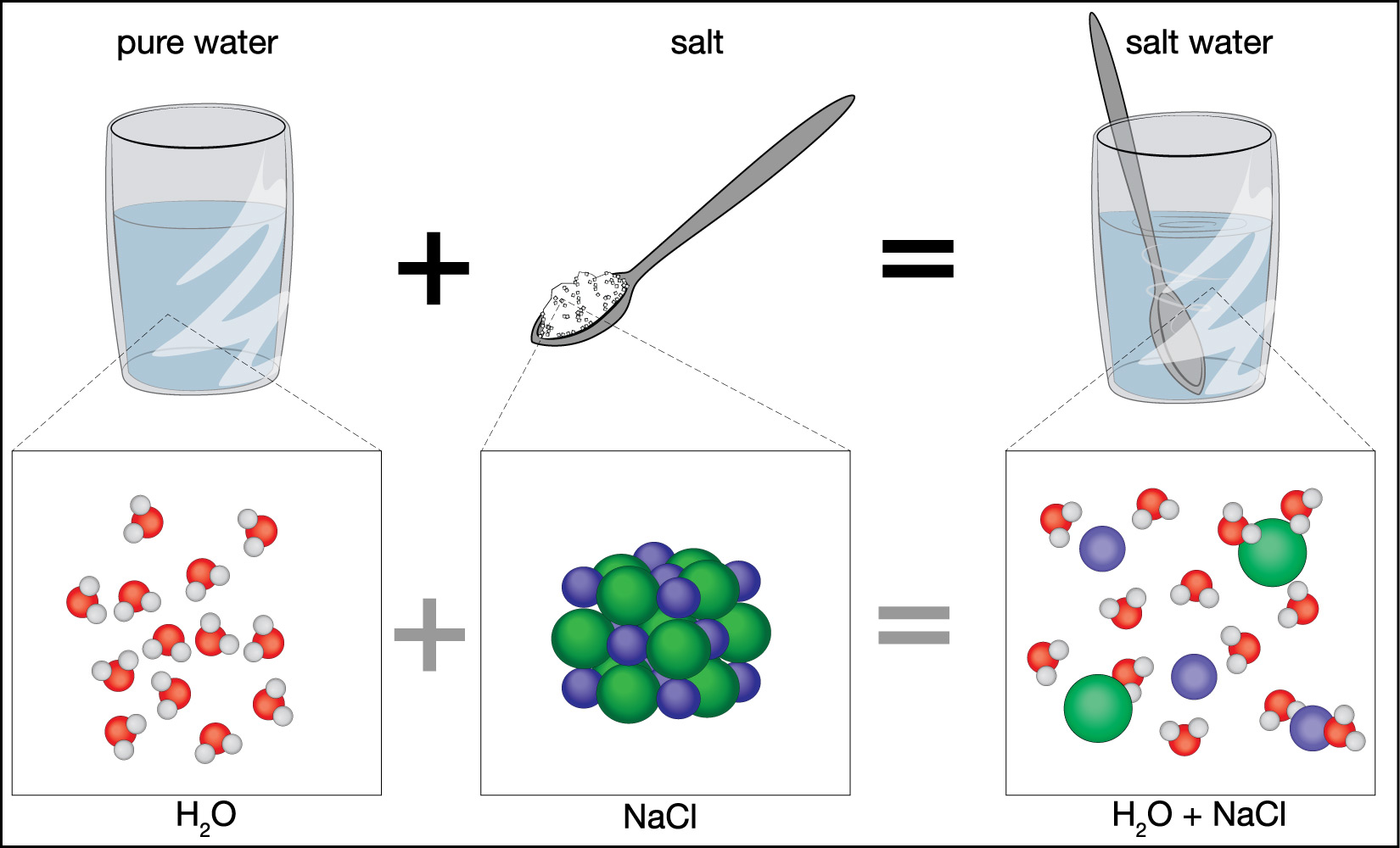
Let’s get nerdy for thirty seconds—without the lab coat. When you drop table salt (sodium chloride, or NaCl) into water, the water molecules act like tiny, overly nosy neighbors. They cluster around each sodium and chloride ion, pulling them apart from their crystal lattice. This separation is ionization, and it’s what makes salt dissolve in the first place.
Must Read
Think of it this way: salt doesn’t just melt like butter; it splits into charged particles—sodium ions (Na⁺) and chloride ions (Cl⁻). Those charged particles are what make the water taste salty. Boiling only speeds up the process because heat jiggles the water molecules faster, but the actual chemical reaction? It’s basically the same at 40°F as it is at 212°F.
So why do people think you need boiling water?
Ah, this is the juicy part. Have you ever tried to dissolve a mountain of salt in cold water? It looks like it’s just sitting there, stubbornly waiting for a heat-induced meltdown. But here’s the trick: your eyes are lying to you. The salt is already ionizing—it’s just that the process can be slower when the water is cold and not moving.
Stirring or shaking helps the water molecules “find” the salt crystals faster. If you’ve ever mixed a cocktail with salt around the rim, you’ve seen how rapidly those grains vanish into cold liquid. Heat is a cheater, not a hero. It just makes the ions bounce around faster, so the reaction feels instant.
But wait—is it really “dissolving” or “ionizing”?
Here’s where language gets us in trouble. When we say “salt dissolves,” we usually mean it disappears and makes the water salty. But from a chemistry perspective, dissolving and ionizing are almost the same thing for ionic compounds. Salt is an ionic crystal, so when it dissolves, it literally ionizes into those charged particles. No ionization? No salty water.
 PPT - Intermolecular Forces PowerPoint Presentation, free download - ID
So technically, every time you make a brine or season your soup, you’re witnessing a tiny electric separation party. The water molecules are tugging at the ions, and those ions become free to conduct electricity. That’s why salt water can power a battery—crazy, right? Pure water is insanely bad at conducting electricity, but once you add salt and it ionizes, bam, you’ve got a little electrolyte solution.
What about Epsom salt or sea salt?
You might be wondering if different salts ionize differently. Short answer: yes, but they all ionize. Epsom salt (magnesium sulfate) splits into magnesium and sulfate ions. Sea salt is mostly sodium chloride but with trace minerals that also ionize. Even rock salt works the same way—it just takes longer because the crystals are bigger and more stubborn.
So if you’re using fancy Himalayan pink salt, rest assured: those ions are still breaking apart. The pink color comes from iron and other minerals, which also become ions in the water. Fancy hydration, same science.
Does temperature affect how completely salt ionizes?
Here’s the kicker: temperature doesn’t change the chemistry of ionization—it changes the speed and capacity. In cold water, the salt ionizes, but the water can only hold so much before it stops dissolving. This is called the solubility limit. In hot water, that limit is higher because heat helps water molecules push more ions apart.
 Salt And Water Molecules
But for your everyday kitchen use—like seasoning pasta water—you’re never hitting that limit. So yes, the salt ionizes fully, whether the water is cold or boiling. My grandma’s advice? She was thinking about old wives’ tales, not chemistry. But hey, I still love her cooking.
Why does this matter in real life?
Think about it: when you brine a turkey, the salt water penetrates the meat because those tiny ions sneak between muscle fibers. If the salt didn’t ionize, you’d just have gritty chunks on the surface. Or when you make a salt scrub, the crystals sit on your skin until water touches them—then poof, they vanish because the ions separate and mix with your moisture.
So next time someone tells you to wait for boiling water, you can politely nod, then pour your salt into cold liquid anyway. Just stir it a bit. The science is on your side—and your pasta will taste just as good.
Now, if you’ll excuse me, I’ve got a salty snack to eat. And yes, I’ll think about those ions dancing while I chew.
