What Does Lead Smell Like

So there I was, elbow-deep in a vintage toolbox at a flea market. I pulled out a dusty, gray fishing sinker and, out of pure reflex, gave it a sniff. Idiot move, I know. But i...
So there I was, elbow-deep in a vintage toolbox at a flea market. I pulled out a dusty, gray fishing sinker and, out of pure reflex, gave it a sniff. Idiot move, I know. But in that split second, I didn’t smell anything metallic. I just got a weird, dusty blankness—like sniffing a rock.
That’s the thing about lead. Most people, if you ask them, will swear it has a sweet or metallic smell. Spoiler alert: your nose is lying to you. Or, more accurately, your brain is playing tricks.
The Great Smell Illusion
Pure lead metal actually doesn’t have a smell. None. Zip. Nada. Here’s the wild part: metals don’t really have a volatile odor. You can’t sniff a solid bar of iron and get a “steel” scent—that's a myth.
Must Read
That “metallic” smell you get when you touch coins or a railing? That’s you. Yes, you. It’s the reaction of your skin oils and sweat with the metal, creating smelly organic compounds. So when you think you smell lead, you’re actually smelling your own chemistry having a little party with the surface.
But What About Old Lead?
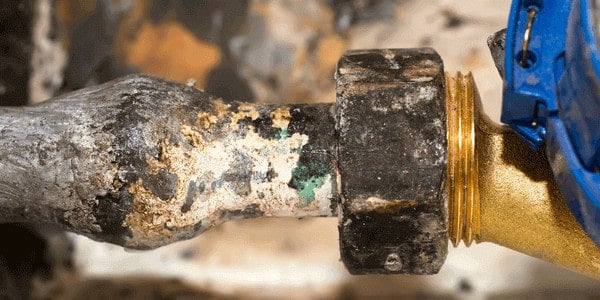
Now, old lead—like that fishing sinker or antique pipes—gets a little more interesting. If it’s oxidized (that dull gray coating), you get a faint, dusty smell. It’s like a basement that hasn’t seen sunlight since 1987.
Sometimes, people describe it as “earthy” or “like old pennies.” But again, those aren’t lead molecules floating up your nostrils. That’s dirt, corrosion, and the ghost of your own hand oils. You’re basically smelling your own fingerprints.
 Identifying Lead Paint: What Does Lead Paint Look Like?
The Danger Zone: Heated Lead
Here’s where it gets serious—and a little scary. If you heat lead, like during soldering or casting, the game changes. Hot lead can release fumes that do have a smell, and it’s not your imagination.
Those fumes are often described as sweet or acrid, like a weird mix of burnt sugar and battery acid. Don’t go testing this. That sweet smell is your brain’s last friendly warning before toxicity kicks in. Inhaling those fumes can cause serious poisoning.
So if you ever smell something sweet and metallic while working with hot metal, stop immediately. Open a window. Leave the room. That’s not a candle; it’s a hazard. (You’re still reading, right? Good. Don’t huff the solder.)
What About Leaded Gasoline?
Ah, the smell of nostalgia for some. Old-style leaded gasoline actually had a distinctive, heavy, sweet odor. But guess what? That smell wasn’t lead—it was the benzene and other additives.
 What Does Lead Look Like in Water? Taste OR Smell 2022 Guide - QWL
Lead was just a silent, odorless poison mixed into the fuel. So when mechanics in the 1970s sniffed that “lead gas” smell, they were inhaling a cocktail of carcinogens, not the element itself. Charming, right?
The Real Takeaway
So, to answer the headline: lead smells like nothing. It’s a ghost. A blank. But your brain will fill in the blanks with “metallic” or “sweet” because it expects a heavy metal to announce itself.
This is actually a handy fact to remember. If you think you smell lead—and you aren’t near a soldering iron—you’re probably smelling something else. Or just your own hands.
Curiosity is great, but maybe don’t make sniffing old sinkers a hobby. Leave that to your dog. Your nose is a liar, and lead doesn’t care about your feelings. Stay safe, stay curious, and wash your hands after handling any old metal. I’m serious. Go wash them now.
