What Is A Calcium Buildup

So, you’ve heard about calcium buildup, and your first thought is probably something like, “Great, my pipes are haunted by tiny dairy ghosts.” You’re not entirely wrong. Calci...

So, you’ve heard about calcium buildup, and your first thought is probably something like, “Great, my pipes are haunted by tiny dairy ghosts.” You’re not entirely wrong. Calcium buildup—also known as limescale, or in medical terms, calcification—is what happens when calcium decides to park itself where it doesn’t belong, like a guest who overstays their welcome and starts redecorating your internal plumbing.
In your house, it’s that chalky white crust on your faucet that looks like a fossilized alien sneeze. Inside your body, it’s a bit more dramatic, and I promise we’ll get to the surprisingly weird stuff. But first, let’s get the basics straight: calcium isn’t the villain here. In fact, it’s the bouncer for your bones and teeth, keeping them strong enough to crack walnuts or fake a smile.
The Two-Faced Nature of Calcium
Calcium is like that friend who’s amazing when they show up on time with pizza, but a nightmare when they show up drunk at 3 a.m. and rearrange your furniture. In the right places—your skeleton, your blood, your nerves—it keeps everything humming along. But when calcium starts collecting in your arteries, joints, or kidneys, it turns into a literal party crasher that nobody invited.
Must Read
Here’s a fun fact that will make you squirm: your body can actually turn calcium into stone. No, really. Tiny crystals of calcium oxalate or calcium phosphate can clump together in your kidneys and form kidney stones. Passing one of those has been compared to childbirth, but with fewer cute baby photos at the end. Your kidneys are basically making rock candy, and you are the host who has to shatter it.
When Your Arteries Get a Bad Case of the Crunchies
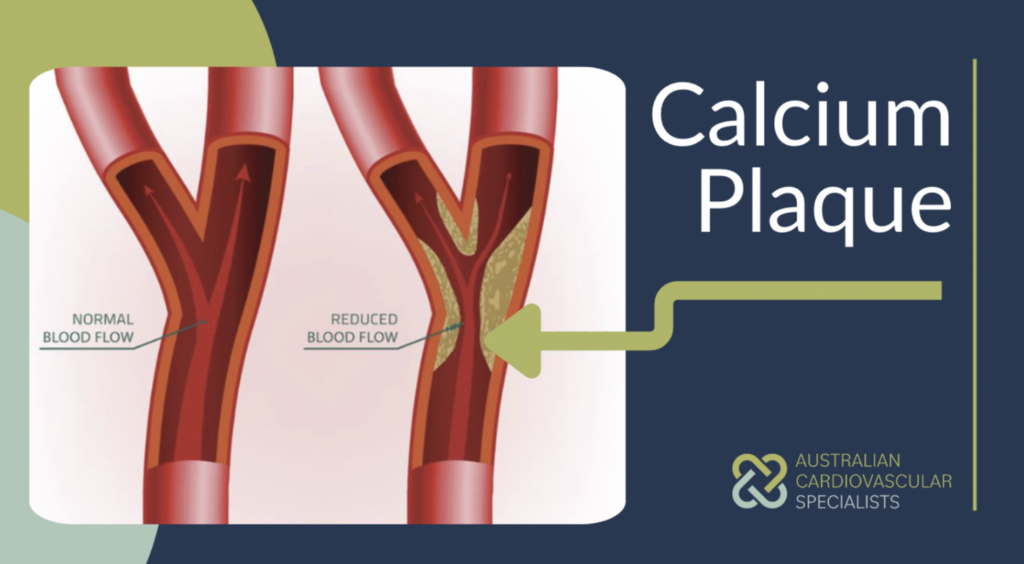
Now, let’s talk about arterial calcification, which sounds like a fancy superhero origin story but is actually your blood vessels going stiff. Imagine your arteries are soft, flexible garden hoses, but calcium buildup turns them into PVC pipes. Blood has to squeeze through like toothpaste from a tube, and your heart has to work overtime, which it does not appreciate. It sends you little hurt feelings in the form of high blood pressure and chest pain.
I once read that if you took a calcified artery and wrapped it around a pencil, you could actually hear it crackle like a potato chip. I have not tried this myself, and I strongly advise you not to test it with your own arteries. Leave that to the professionals with microscopes and a stronger stomach.
 Calcium Buildup On Teeth Breaking Off | Detroit Chinatown
The Unexpected Culprits in Your Pantry
You might think, “I’m doomed—I drink milk!” But hold your cows. Dairy is actually not the main problem. The real troublemaker is oxalate, a compound found in spinach, beets, rhubarb, and chocolate. That’s right: your healthy green smoothie and your dark chocolate binge are essentially teaming up to build a tiny fortress in your kidneys. It’s like a betrayal by your healthiest snacks.
But wait, there’s more. Vitamin C supplements, which you take to avoid scurvy, can also break down into oxalate. So while you’re patting yourself on the back for being a wellness warrior, your kidneys are quietly muttering, “Oh, great, more bricks for the kidney castle.” Don’t panic—you need oxalates in small amounts, but if you’re a smoothie fanatic who glugs orange juice with spinach, maybe take a breather.
How to Evict the Calcium Squatter
So, how do you kick calcium out of places it doesn’t belong? First, hydration is your best friend. Water is the broom that sweeps tiny crystals out of your kidneys before they form a pyramid scheme. Drink enough water so your pee is the color of weak lemonade, not iced tea. Your body will thank you by not staging a rebellion.
Second, watch your sodium intake. Salt makes you hold onto calcium, which is like throwing a welcome mat out for crystals. And if you’re popping calcium supplements like candy, stop. Unless a doctor tells you otherwise, get your calcium from food, not pills, because supplements can actually encourage buildup in weird places. It’s the supplement equivalent of feeding your pet dinosaur—you don’t need that much.
 What Are Calcium Deposits The Guide To Calcium Buildup On Teeth 1311
Finally, eat citrus. Lemons and limes contain citrate, which binds to calcium and stops it from turning into crystals. Think of it as a bouncer who kicks the trouble-making calcium out of the kidney club. Squeeze some lemon in your water, and you’re basically dissolving future headaches. Take that, limescale.
Oh, and for your faucets? Vinegar. Just pour it on, let it fizz, and watch the white crust dissolve like a bad dream. Your pipes will look better, and you’ll feel like a wizard who controls the elements. It’s the same magic as inside your body, but less painful and with fewer hospital bills.
The Big, Crunchy Takeaway
Calcium buildup is essentially nature’s way of reminding you that moderation exists. Too little calcium and your bones turn into wet cardboard; too much, and you’re growing internal stalactites. The old saying “everything in moderation” was probably invented by someone who just passed a kidney stone and decided they’d had enough of rock collecting.
So keep your bones strong, flush your kidneys with water, and maybe don’t eat an entire bag of spinach in one sitting. And if you ever find yourself staring at a crusty faucet, remember: that’s just calcium doing what it does best—being determined, clingy, and slightly embarrassing. You can handle it. You’re the boss of your own castle, not some rogue mineral.
