What Is Hardness Of Water

Let’s be honest: when you hear “hardness of water,” you probably picture a glass of ice water that’s been left in the freezer too long, right? Nope. It’s actually a whole lot...

Let’s be honest: when you hear “hardness of water,” you probably picture a glass of ice water that’s been left in the freezer too long, right? Nope. It’s actually a whole lot more interesting—and a tiny bit science-y—but stick with me, because it’s about to make your daily life feel like a fun little mystery. So, what is it? Simply put, water “hardness” is a measure of the dissolved minerals—mostly calcium and magnesium—that hitches a ride in your tap water before it reaches you. Think of it as nature’s way of adding a sprinkle of earth into your morning shower.
The cool part? Hard water isn’t bad for you. In fact, those minerals are actually good for your bones and your overall health. But here’s where the fun begins: hard water loves to cause a little mischief around your home. It’s why you sometimes see whitish, crusty deposits on your faucets or cloudy spots on your freshly washed glasses. Ever noticed that your soap doesn’t lather as much when you’re in the shower, or that your hair feels a bit sticky afterward? Yep, that’s hard water throwing a tiny, mineral-rich party on your skin and hair—without an invite.
But wait—does that mean we should all panic and buy expensive bottled water? Absolutely not. Embrace the quirk! Hard water actually makes your coffee taste a little more robust and can give your garden plants a mineral boost (they love that calcium). It’s like having a tiny, invisible sidekick that’s a little clumsy but means well. The real trick is learning to work with it. For example, adding a splash of vinegar to your dishwasher rinse cycle can zap those cloudy spots away—and suddenly, you’re a kitchen wizard.
Must Read
The surprising hero in your pipes
Here’s a secret: hard water has a sense of humor. It’s why your laundry might feel a bit stiff after drying, or why your kettle builds up that weird white scale inside. That scale? It’s just calcium carbonate—the same stuff that makes up limestone caves and even some seashells. So every time you boil water, you’re essentially creating tiny, microscopic cave formations in your tea pot. Is that not amazing? It’s a miniature geology lesson happening in your kitchen, and you didn’t even have to buy a textbook.
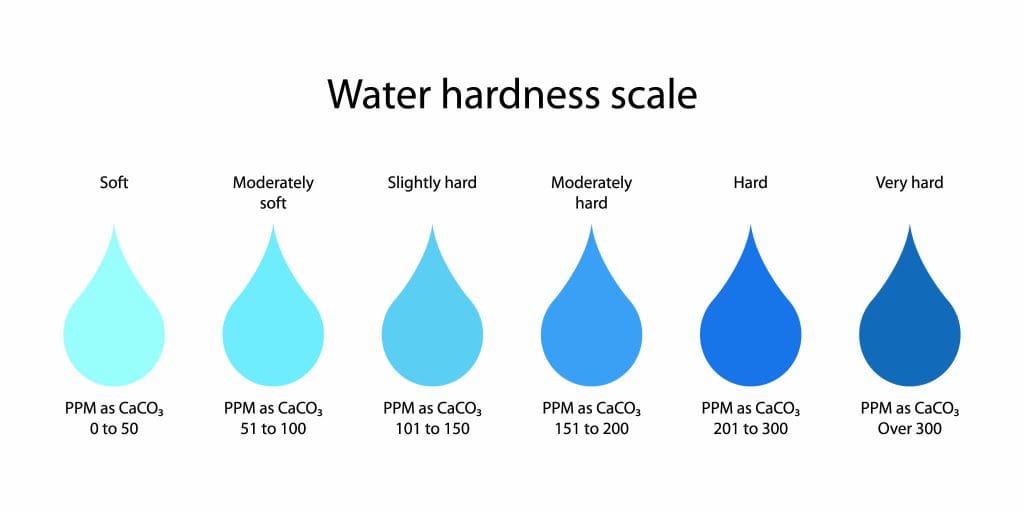 How To Tell If You Have Hard vs Soft Water: Differences Explained
Now, let’s talk about the battle between soap and hard water. When soap meets hard water, they don’t exactly hold hands and sing kumbaya. Instead, the calcium in the water grabs onto the soap molecules, forming a sticky, curd-like scum. That’s that annoying ring around your bathtub—it’s technically a chemical reaction called precipitation. I know, “precipitation” sounds like a weather forecast, but it’s far more thrilling: it’s a tiny, fizzy war happening on your tiles. And you can win that war with a little cleaning elbow grease and a lemon-based cleaner.
How to tell if your water is hard (and why you should care)
The easiest test? Shake a tiny bit of dish soap in a jar with your tap water. If it doesn’t produce a fluffy, bubbly lather, but instead turns into a cloudy, thin suds—congratulations, you have hard water! It’s not a curse; it’s a fingerprint of where you live. Most of the US and UK has hard water, especially in areas with limestone bedrock. That means you’re part of a giant club of people who share a common, slightly quirky water experience. And that’s something to celebrate. You’re not just drinking water; you’re drinking the local terroir—like wine, but for your tap.
 Hardness
So why does this make life more fun? Because once you know about hardness, you stop seeing it as a nuisance and start seeing it as a charming characteristic. That white crust on your faucet? It’s not dirt; it’s a mineral souvenir. That slight residue on your hair after a wash? It’s a gentle, natural conditioner from the earth. You can even turn it into a party trick: Show your friends the “soap test” at your next gathering. They’ll think you’re a science magician. And you are—because you understand what’s really dancing in your pipes.
Here’s the uplifting note: You are already handling hardness just fine. You’ve been dealing with it for years, not knowing its name, and you’ve been amazing. Now that you know, you can choose to laugh at the little white spots instead of stressing. Hard water isn’t a problem to “fix”—it’s a fun puzzle piece of your home’s personality. So go ahead, pour yourself a glass tap water, appreciate the minerals doing their quiet dance, and take a deep breath. Life is full of curious, wonderful chemistry—and you just unlocked one more secret. Keep exploring. You’ve got this.
