What Is A Reverse Osmosis

Ever wonder how they turn salty ocean water into something you’d actually want to drink? Or how your fancy countertop filter somehow makes tap water taste like it came from a...

Ever wonder how they turn salty ocean water into something you’d actually want to drink? Or how your fancy countertop filter somehow makes tap water taste like it came from a mountain spring? The secret behind both of these is a process called reverse osmosis, and trust me, it’s way cooler than it sounds.
What Even Is Reverse Osmosis?
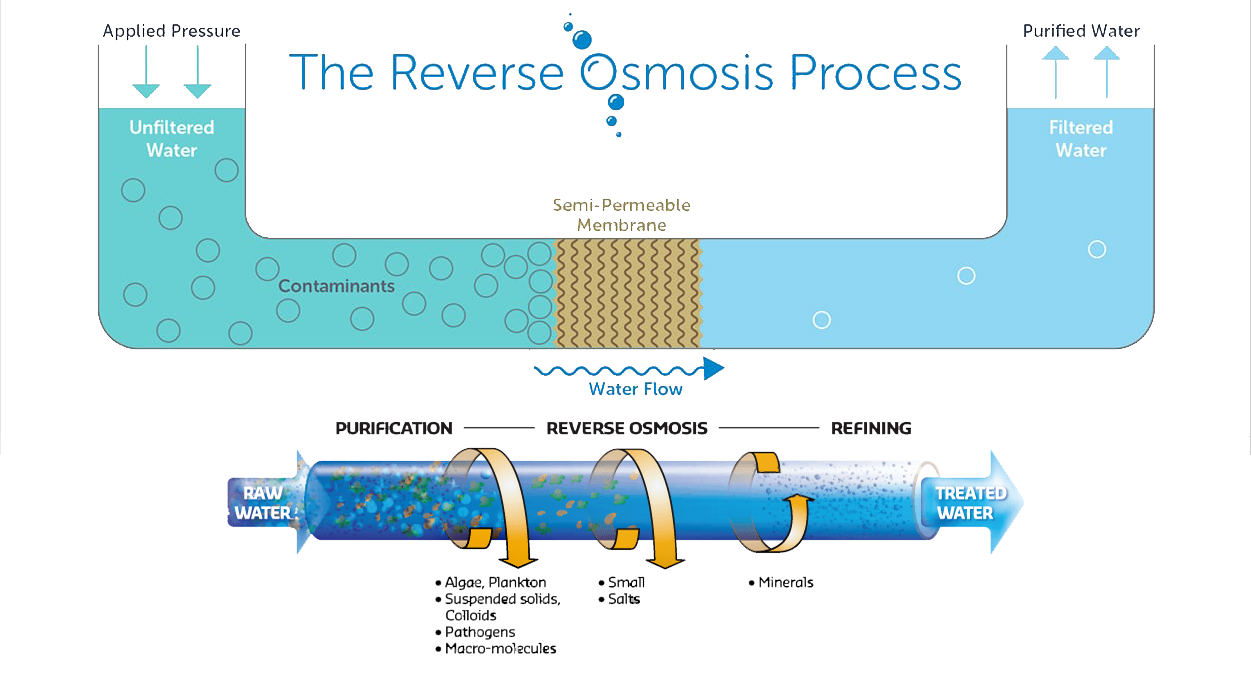
Let’s start with a simple image: imagine a really, really fine sieve. Now imagine you’re pushing water through that sieve with a lot of force. That’s essentially what reverse osmosis does, but at a microscopic level.
It uses a special membrane (think of it as a super-sensitive filter with tiny pores) to separate pure water from everything else. The "reverse" part is key—it goes against the natural flow of water to leave the bad stuff behind.
Must Read
Okay, But How Does It Actually Work?
Nature loves balance. Normally, water will move from a low-salt area to a high-salt area to dilute things—that’s basic osmosis. But reverse osmosis flips the script by applying pressure to the salty side, forcing water to move the other way.
Imagine you’re squeezing a water balloon so hard that only pure water drops come out the other end, while the balloon holds back all the seeds, pulp, and dirt. That’s your reverse osmosis system in action—except it’s holding back things like lead, chlorine, and even microscopic bacteria. Pretty clever, right?
Why Should You Even Care?
You might be thinking, “Cool science, but does this affect my life?” Actually, probably more than you realize. That bottled water you grab at the store? Chances are, it went through reverse osmosis first.
And it’s not just about drinking water. Have you ever noticed how some people prefer to use filtered water for their coffee or tea? That’s because reverse osmosis removes the minerals that can make your morning brew taste bitter or flat. It’s like giving your taste buds an upgrade.
 What Is Reverse Osmosis?
It’s Not Magic, But It’s Close
Think of your typical tap water as a big, bustling city. There’s good stuff (like beneficial minerals) and not-so-great stuff (like chlorine, pesticides, and heavy metals). Reverse osmosis is like a bouncer who only lets the friendliest, cleanest molecules through the door.
The result? Water that’s about 95-99% free of contaminants. It’s so pure that some people call it "dead" water, but hey, dead water is better than water that tastes like a swimming pool, right?
The Fun (and Gross) Comparison
Here’s a wild way to think about it: imagine you’re stranded on a desert island with a muddy puddle. You could drink it and get sick, or you could use reverse osmosis (if you had the gear) to turn that puddle into crystal-clear hydration. It’s the same principle that astronauts use to recycle their pee into drinking water aboard the ISS.
Yeah, you read that right. The water you drink from a reverse osmosis filter could theoretically have been someone’s sweat a few hours ago. Gross? Maybe. But it’s also amazing engineering.
 What Is Reverse Osmosis And How Does It Work
Should You Get One for Your Kitchen?
If you’re a water snob (and hey, no judgment), a small under-sink reverse osmosis system can be a game-changer. It takes up almost no space and gives you water that rivals anything from a glass bottle. Plus, you’ll stop buying plastic jugs, which is a win for the planet.
But here’s the catch: it’s not perfect. The process wastes some water—usually about 3-4 gallons for every gallon of pure water it makes. And because it strips out all the minerals, some folks add a remineralization filter to put back the good stuff like calcium and magnesium.
The Bottom Line
Reverse osmosis isn’t just a lab trick. It’s a simple, powerful way to take the "yuck" out of water, whether that’s salt, chemicals, or just a bad taste. It’s the reason your sushi chef’s rice tastes better, why your iced tea doesn’t cloud up, and why you can drink seawater if you’re ever really, really desperate.
So next time you take a sip of water that feels too clean, give a little nod to the humble RO membrane. It’s doing a lot of heavy lifting—and all it asks is a little pressure. Pretty chill for such a cool invention, don’t you think?
