What Is A Sediment Filter

Picture this: it’s a sweltering Saturday, and you decide to brew a pot of iced tea. You fill your glass pitcher straight from the tap, add a few lemon slices, and take a glori...
Picture this: it’s a sweltering Saturday, and you decide to brew a pot of iced tea. You fill your glass pitcher straight from the tap, add a few lemon slices, and take a glorious, thirst-quenching sip. Then you notice it—a tiny, gritty particle brushing against your tongue, like a miniature intruder at your summer party. You try to ignore it, but another one appears, then another, and suddenly your drink feels less like refreshment and more like a geology experiment.
That, my friend, is sediment—the uninvited clump of sand, silt, rust, or clay that hitchhikes its way through your plumbing. And guess what? That little grit isn’t just a taste-bud buzzkill. It's a wake-up call that your water needs a bouncer, a gatekeeper, a sediment filter.
So, what exactly is this mysterious device? Think of it as the first line of defense in your home’s water system, the loyal sidekick that says, “Not on my watch.” A sediment filter is a physical barrier that catches all the visible junk—the sand, dirt, rust flakes, and even tiny bits of pipe scale—before they reach your faucets, your washing machine, and (heaven forbid) your coffee maker.
Must Read
I know, I know—it sounds boringly practical. But trust me, it’s the unsung hero of every morning shower and every glass of drinking water. Without it, you’re basically inviting Mother Nature’s leftovers to a free-for-all in your appliances. And she doesn’t clean up after herself.
How does it actually work? (Spoiler: It’s simpler than you think)
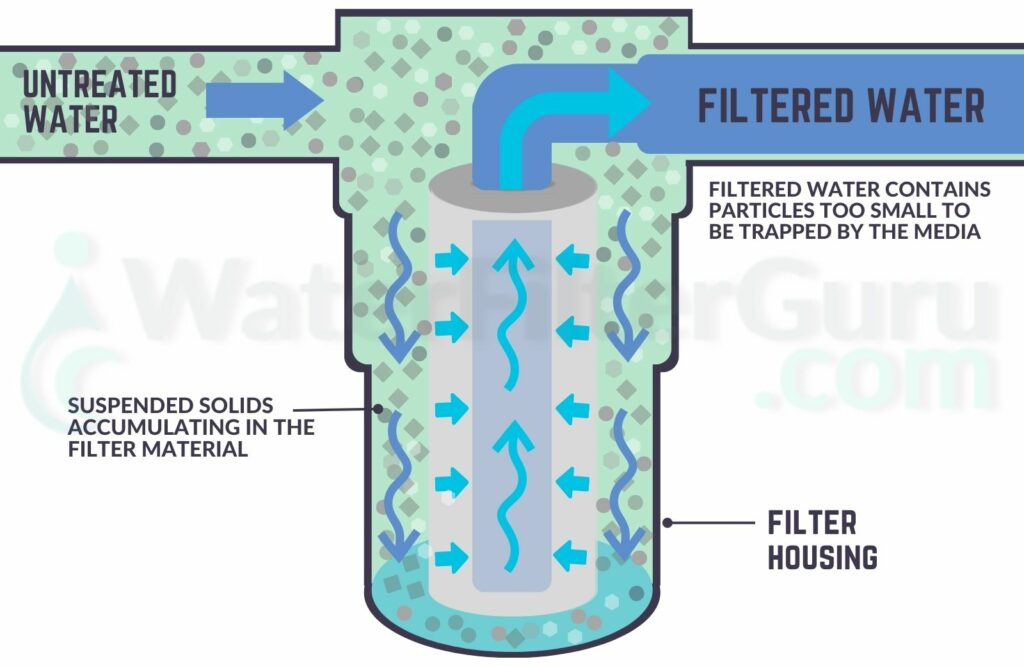
Okay, don’t roll your eyes—sediment filters aren’t rocket science. They’re more like a very strict, very effective sieve. Water flows through a porous material—often pleated polyester, polypropylene, or string-wound cotton—and anything larger than the tiny holes gets trapped. Simple, right?
You’ll find them in different microns—a measurement of how fine the filter is. A 5-micron filter, for example, catches particles so small you’d need a microscope to see them. That’s like stopping a grain of sand from sneaking into a keyhole. (Show-off, right?)
Pro tip: The lower the micron number, the finer the filter. But go too fine, and your water pressure might drop to a pathetic trickle. It’s a balancing act, like choosing the perfect coffee grind—go too fine, and you’ll be waiting forever for that morning cup.
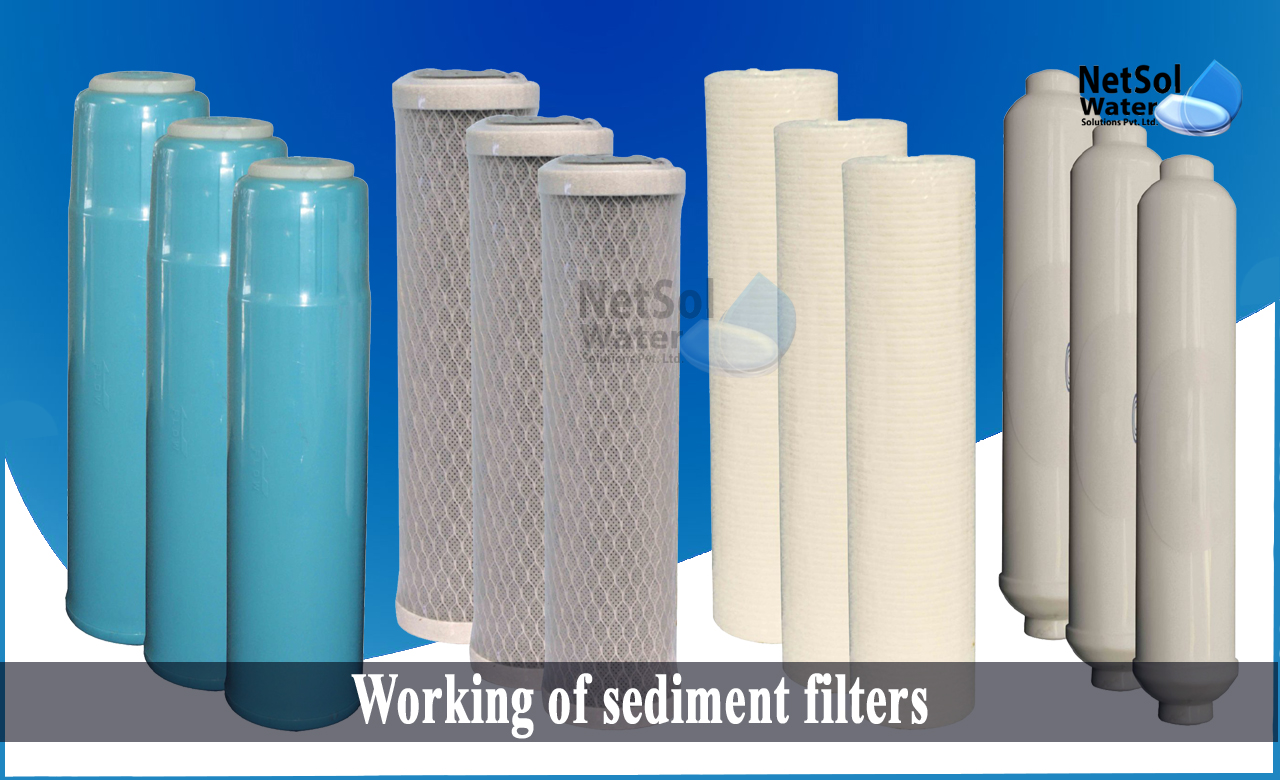 Sediment Sand Filter
Why should you care? (Because your appliances are begging you)
Let’s get real for a second. That sediment you ignored? It’s not just gross—it’s destructive. Sand and rust particles act like sandpaper inside your water heater, damaging the tank and shortening its life. Your dishwasher might start leaving gritty streaks on your glasses (classy). And your expensive faucet cartridge? Yeah, that’ll fail way too early, leaving you with a drip that drives you insane at 3 a.m.
I once had a friend who installed a new washing machine, only to find red-brown stains on all her white towels after two weeks. She called a plumber, who sighed, tapped the pipe, and said, “You need a sediment filter, ma’am.” She bought one for thirty bucks, and the problem vanished. Thirty bucks saved her from a laundry meltdown. See? Unsung hero.
The types you’ll meet (and how not to get overwhelmed)
You’ve got options, buddy. There are whole-house sediment filters—big blue canisters installed at your main water line that protect everything from the toilet to the garden hose. Then there are point-of-use filters—smaller units that sit under your kitchen sink or attach to your fridge’s ice maker.
My personal favorite is the spin-down filter. It’s a clear housing with a centrifugal twist (literally) that flings debris into a chamber you can flush out. It’s like watching a tiny water cyclone do your dirty work. Plus, you get to peer inside and see exactly what your water looks like—a mildly disturbing but oddly satisfying view.
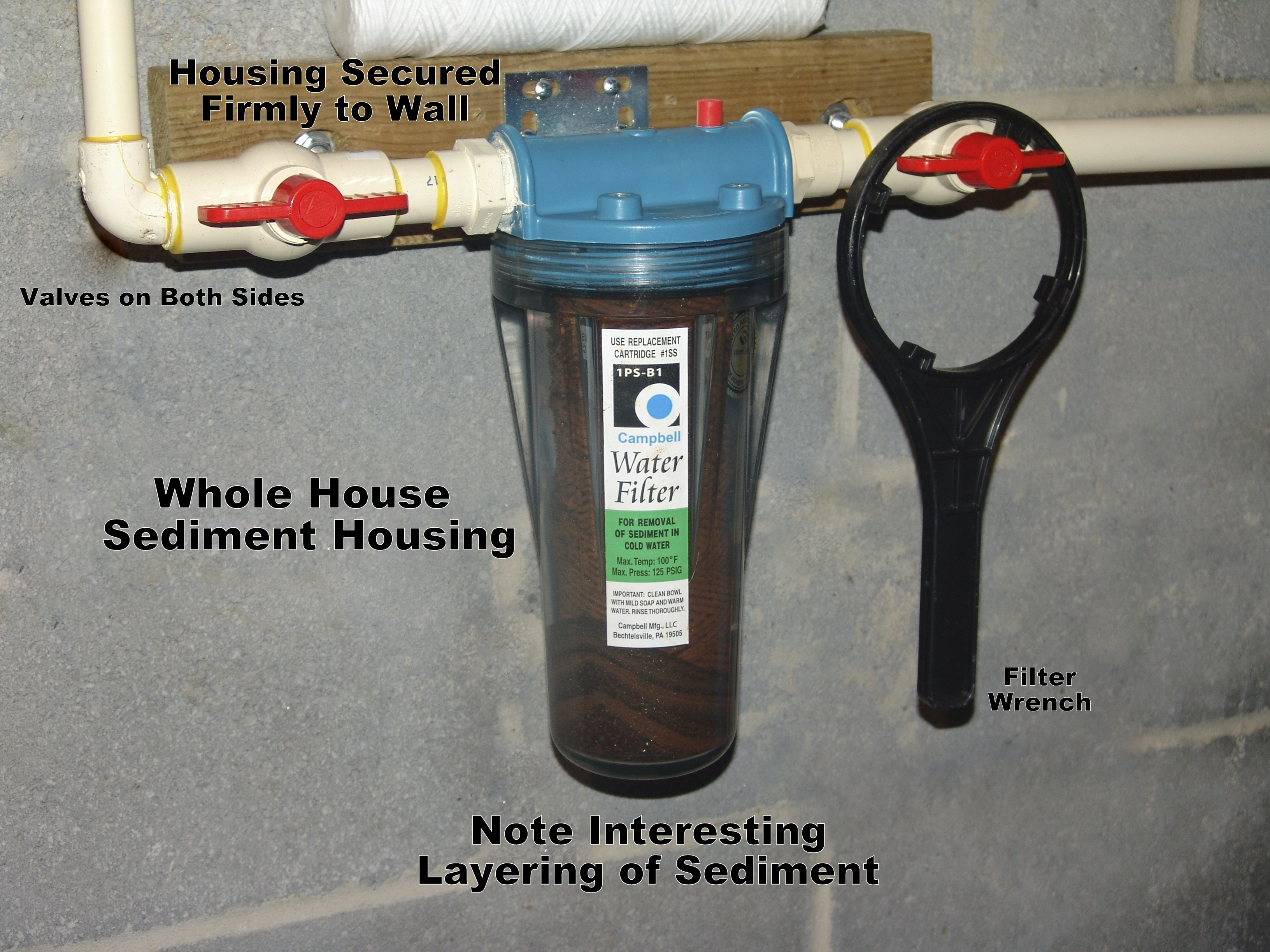 Sediment Filtration System : Sediment Filter: What Is It & How Does It
Feeling adventurous? Consider a backwashing sediment filter. It cleans itself by reversing the water flow, so you don’t have to change cartridges every month. High-tech? Yes. Lazy-person-approved? Absolutely.
When should you install one? (Hint: You probably already have a sign)
If you’ve ever opened a tap and seen rust-colored water after a rainstorm, or if your shower head clogs faster than a teenager’s phone battery, congratulations—you’re a sediment victim. Also check your toilet tank. If there’s a brownish ring at the bottom, that’s sediment settling like a lazy cat. Time to act.
Oh, and here’s the ironic part: if you’re on well water, a sediment filter isn’t optional—it’s survival gear. Well water carries sand, silt, and sometimes tiny pebbles that laugh in the face of your plumbing. City water? It’s cleaner but not immune—old pipes shed rust like a snake sheds skin.
A final, slightly cheeky note
Do you need a sediment filter? Technically, no. You can keep sipping gritty tea, paying for appliance repairs, and scrubbing rust stains off your sink. But then again, you could also keep wearing socks with holes—they’re not required, but life is just... better without them.
So go ahead, give your water a bouncer. Your coffee maker will thank you, your washing machine will throw you a party, and your taste buds—finally free from tiny gravel—will sing a song of pure refreshment. Cheers to that.
